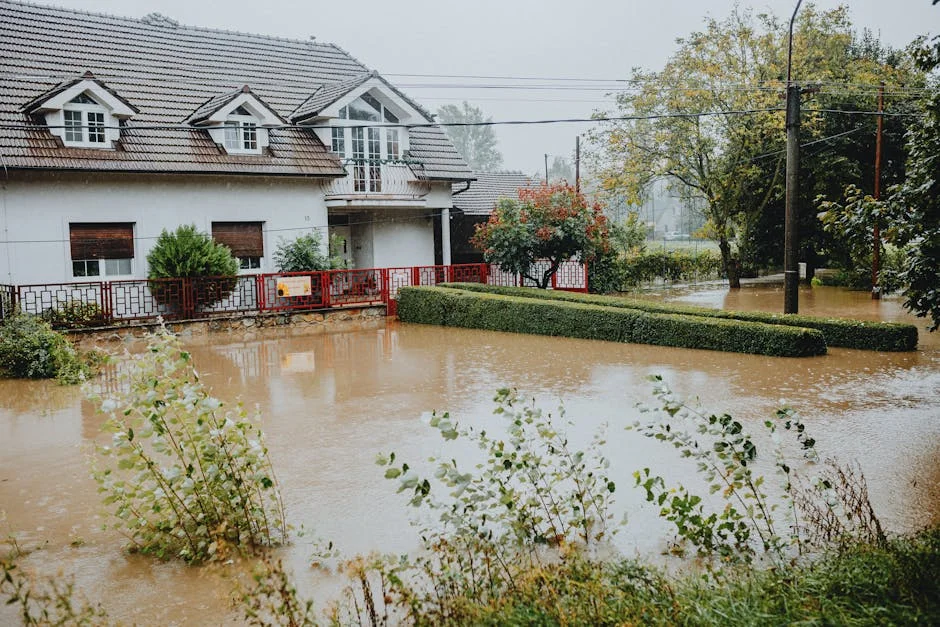
The Nigerian Federal Government has issued urgent flood warnings to 33 states, as heavy rains trigger widespread flooding and threaten infrastructure, agriculture, and urban areas. The National Emergency Management Agency (NEMA) reported that over 200,000 people have been displaced in the past week, with Lagos, Kano, and Kaduna among the hardest-hit regions. The warnings come amid concerns over the impact on the country's agricultural output and supply chains, which are vital to the economy.
Impact on Agriculture and Food Prices
Flooding has already disrupted farming activities in key agricultural regions, including the Niger Delta and the north-east. The Ministry of Agriculture warned that rice and maize production could fall by up to 15% this season, potentially driving up food prices. In Kano, one of the country’s largest food-producing states, farmers reported losses of over 30% of their crops due to waterlogging. This could lead to higher inflation, affecting both consumers and businesses reliant on local produce.
The Nigerian Bureau of Statistics noted that food inflation has already reached 22.5% in June, the highest in over a decade. With the current flooding exacerbating supply constraints, economists warn that prices may rise further. The central bank has been monitoring the situation closely, with Governor Godwin Emefiele stating that the monetary policy committee will assess the impact on inflation in its next meeting.
Business Disruptions and Infrastructure Damage

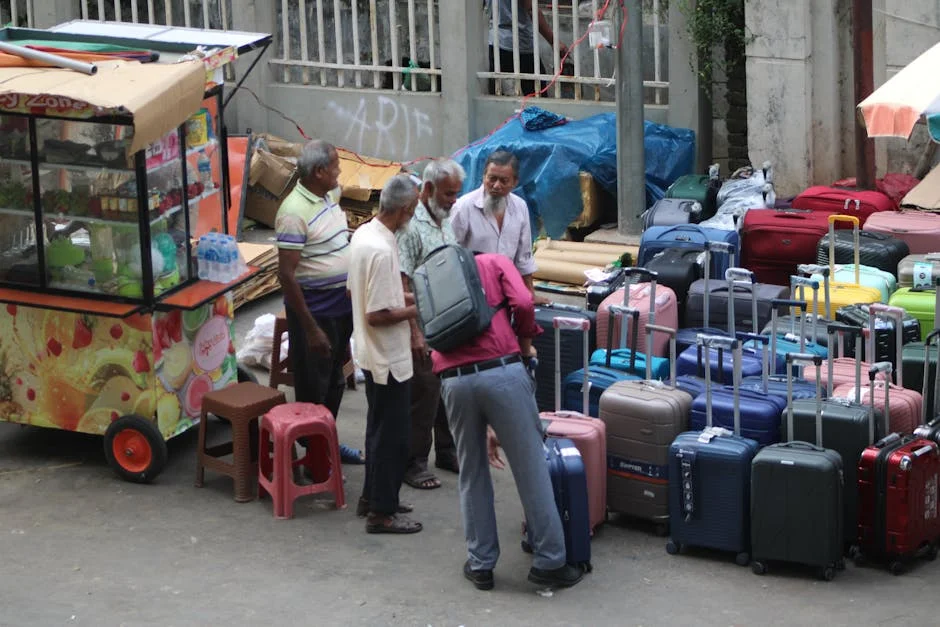
Businesses across the affected states are facing significant disruptions. In Lagos, one of Nigeria’s economic hubs, traffic congestion has worsened due to flooded roads, delaying shipments and impacting trade. The Lagos State Government has deployed over 1,000 workers to clear drainage systems, but the scale of the damage has overwhelmed local resources. Small and medium enterprises (SMEs) are particularly vulnerable, as many lack the capital to recover from prolonged disruptions.
Infrastructure damage is also a major concern. The Federal Road Maintenance Agency (FERMA) reported that over 150 roads have been closed due to flooding, including key routes connecting the south to the north. This could slow down the movement of goods and services, further straining the economy. In Kaduna, a major industrial hub, factories have reported delays in receiving raw materials, leading to reduced output and potential job losses.
Investor Concerns and Market Reactions
Investors are closely monitoring the situation, with the Nigerian Stock Exchange (NSE) showing increased volatility in recent days. The NSE All-Share Index fell by 1.2% on Monday as concerns over the economic impact of the floods spread. Analysts at Ecobank noted that the floods could lead to a slowdown in GDP growth, with estimates now suggesting a 2.8% expansion for 2024, down from the previously projected 3.5%.
Foreign investors are also wary, with some re-evaluating their exposure to the Nigerian market. The International Monetary Fund (IMF) has warned that climate-related shocks could undermine the country’s economic recovery, particularly given its reliance on agriculture and the vulnerability of its infrastructure. In a statement, IMF Representative for Nigeria, Aminu Kano, urged the government to prioritize climate resilience in its development plans.
Government Response and Relief Efforts
The Federal Government has allocated N10 billion for emergency relief, with the Ministry of Humanitarian Affairs distributing food, water, and shelter to affected communities. However, critics argue that the response has been slow, with many displaced families still waiting for aid. In a statement, President Bola Tinubu called for coordinated efforts between federal and state authorities to address the crisis, emphasizing the need for long-term solutions to climate-related challenges.
Local NGOs and international organizations are also stepping in. The Red Cross has deployed teams to assist in flood-affected areas, while the World Bank has pledged $50 million in emergency funding. Despite these efforts, the scale of the disaster highlights the need for better flood management systems and infrastructure investment.
Long-Term Implications and Next Steps
The floods have exposed the fragility of Nigeria’s infrastructure and the need for improved disaster preparedness. Experts suggest that the government should invest in better drainage systems, early warning technologies, and climate adaptation strategies. The upcoming National Climate Change Conference in September will be a key platform for discussing these issues.
For investors and businesses, the situation underscores the importance of diversifying supply chains and considering climate risks in long-term planning. With the rainy season set to continue into October, the coming weeks will be critical in determining the full economic impact of the floods.
The coming weeks will be crucial as the government and international partners work to mitigate the damage. Investors, businesses, and citizens alike are watching closely, aware that the floods could have lasting economic consequences. The situation also highlights the urgent need for climate resilience in one of Africa’s fastest-growing economies.
See Also
- Singapore Bans Heat Pump Imports — and Prices Are Already Rising
- Team Trump Warns US Can Fund Iran War Indefinitely
What is the latest news about nigeria issues flood warnings as 33 states face emergency?
Why does this matter for politics-governance?
What are the key facts about nigeria issues flood warnings as 33 states face emergency?