Twitter's India policy head is set to step down, with a transition planned for March, according to sources familiar with the matter. The departure removes a key liaison between the social media platform and Indian regulators at a moment when the government in New Delhi has been tightening its grip on tech companies operating within the country.
The Departure and Its Timing
The policy chief, whose name has not been officially confirmed by Twitter, will exit after helping the company navigate a series of regulatory challenges in India. The timing is notable: the Indian government has introduced increasingly strict rules around data localisation, content moderation, and foreign investment in digital platforms over the past two years. Twitter has been repeatedly summoned by Indian authorities over content deemed unlawful, and the company has faced pressure to appoint local compliance officers under new information technology rules.
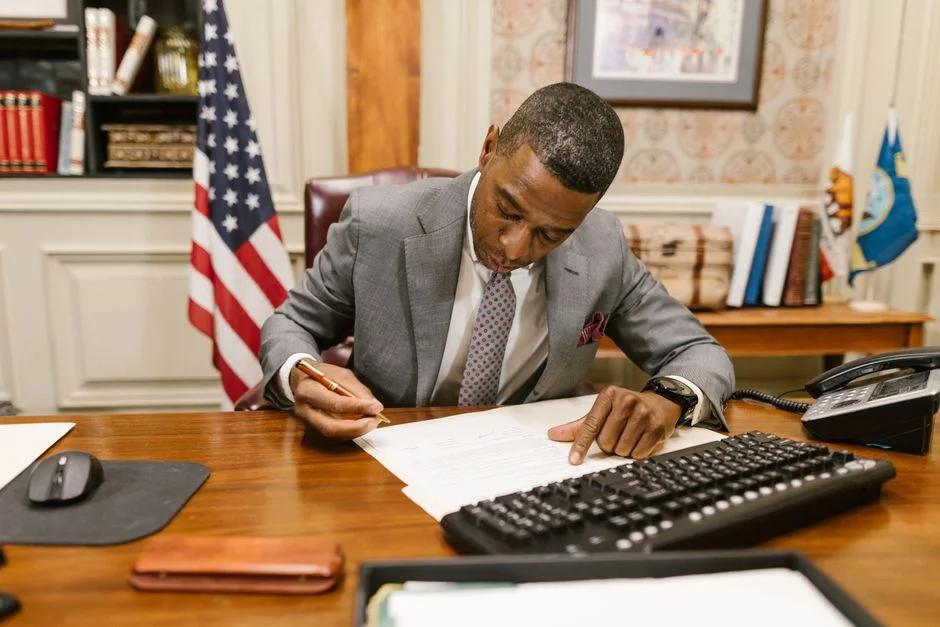
March marks the end of the first quarter, a period when many companies finalise their regional structures ahead of fiscal planning cycles. For Twitter, this transition could reshape how it engages with one of its largest user bases outside the United States. India represents tens of millions of active accounts, making it a market that investors watch closely for growth metrics in Asia.
Regulatory Pressure in India

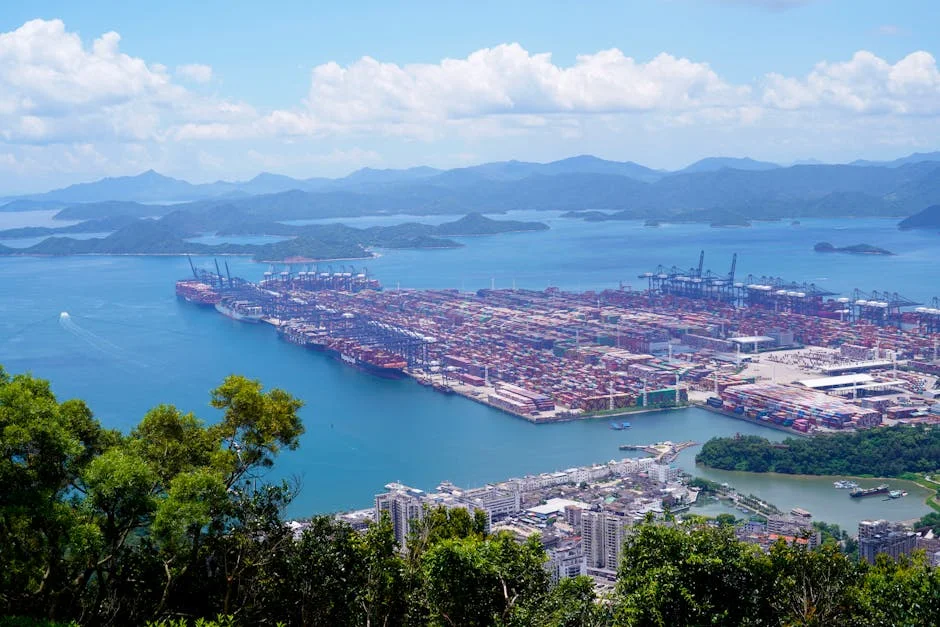
Indian authorities have been demanding greater accountability from social media firms. The Information Technology (Guidelines for Intermediaries and Digital Media Ethics Code) Rules, introduced in 2021, require platforms to appoint grievance officers, comply with content removal orders within 24 hours, and trace the origin of problematic messages when directed by courts or law enforcement. Twitter has struggled to meet some of these timelines, leading to temporary blocking of content and public spats with government officials.
The policy chief departing in March had served as the primary contact point for the Ministry of Electronics and Information Technology. Their exit leaves a gap in institutional knowledge at a stage when the government is considering additional amendments that could affect how foreign social media companies operate commercially in India.
What This Means for Advertisers
Brand advertisers in India have been watching Twitter's regulatory troubles closely. Uncertainty around content moderation policies makes it harder for companies to plan brand-safe advertising campaigns on the platform. Several large consumer goods firms have already reduced their ad spend on Twitter in India, redirecting budgets to competitors that have faced less government scrutiny. A leadership vacuum could accelerate this shift, directly impacting Twitter's revenue from the region.
Singapore Connection and Regional Investors
For investors based in Singapore, the departure carries indirect but real implications. Twitter's Asia-Pacific operations are partly coordinated through its Singapore hub, which handles partnerships with regional advertisers and manages relationships with regulators across Southeast Asia. Any disruption in India policy coordination could ripple outward to how Twitter manages its broader Asian strategy.
Singapore-listed companies with digital advertising exposure or stakes in competing social media platforms could see market movements tied to how this transition plays out. If Twitter's India operations falter under new leadership, competitors like Meta's Facebook and Instagram, or ByteDance's TikTok, may pick up the slack in a market where digital ad spending is projected to grow substantially over the next three years.
Market Implications
Twitter remains a privately held company following Elon Musk's acquisition, which means traditional equity investors cannot directly trade the stock. However, the broader social media sector reacts to leadership changes at major platforms. Analysts tracking digital advertising markets in Asia have flagged India as a critical battleground where platform reliability and regulatory compliance increasingly determine market share.
The departure comes as Twitter faces declining advertising revenue globally. India, with its young demographic profile and growing smartphone penetration, was identified by Musk as a key growth market. Losing a senior policy figure during a period of regulatory flux could complicate those expansion ambitions and affect the valuation multiples Twitter might command in any future funding round.
What Comes Next
Twitter has not announced who will assume the India policy role following the March transition. The company faces pressure to quickly name a successor who can maintain relationships with Indian government officials while implementing whatever content moderation changes the authorities are demanding. Observers in Singapore's tech and finance circles will be watching for any statements from Twitter's Asia-Pacific leadership about the transition timeline.
The Indian Ministry of Electronics and Information Technology typically does not comment on personnel changes at private companies. However, the government's track record of summoning Twitter executives for meetings suggests that whoever takes over will face immediate engagement with regulators. That first interaction will signal whether the transition is smooth or contentious.
Investors and business readers should monitor Twitter's India headcount announcements over the next six weeks. A prolonged vacancy in the policy role could trigger compliance delays, inviting fresh scrutiny from New Delhi. That, in turn, could affect advertiser confidence and ultimately the revenue figures that matter to any future investor consideration of the platform.
See Also
- Shettima Demands Nigerian States Act as $750m World Bank Reform Window Opens
- Japan MP Warns China Eyes Antarctic 'Treasure Trove' — Claim Draws Global Skepticism
Analysts tracking digital advertising markets in Asia have flagged India as a critical battleground where platform reliability and regulatory compliance increasingly determine market share.The departure comes as Twitter faces declining advertising revenue globally. However, the broader social media sector reacts to leadership changes at major platforms.