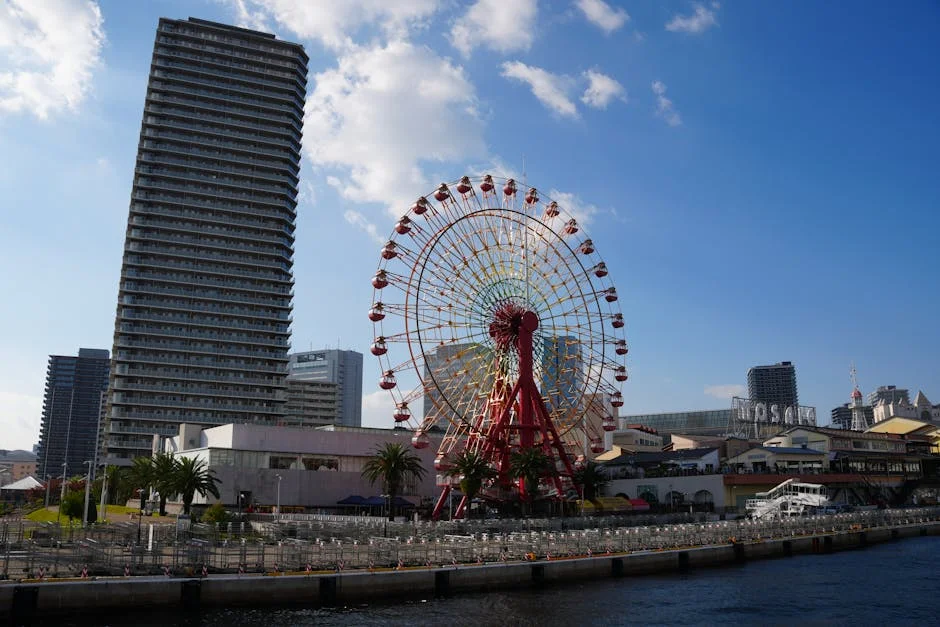
A school excursion to Japan priced at Rs 2.5 lakh has drawn sharp attention after calculations revealed the trip costs more than 25 years of fees at a Kendriya Vidyalaya, India's network of central government schools. The comparison has ignited debate over the true cost of international educational experiences and what they reveal about shifting priorities among Indian families.
The Price Tag That Stops Families in Their Tracks
The Japan-bound trip carries a bill of Rs 2.5 lakh per student, a figure that immediately raised eyebrows when it surfaced publicly. Parents at several Kendriya Vidyalaya schools in cities including New Delhi, Mumbai, and Hyderabad received the cost breakdown, which covers flights, accommodation, guided tours, and entrance fees to cultural sites. For context, annual Kendriya Vidyalaya fees for a single child amount to roughly Rs 10,000, meaning 25 years of schooling would total approximately the same as one overseas excursion.

The arithmetic has left many families questioning whether international school trips represent sound educational investment or an unsustainable luxury. Kendriya Vidyalaya schools, which serve children of central government employees and operate under the Ministry of Education, have long offered affordable education as their primary appeal. The contrast between that mission and a Rs 2.5 lakh price tag has not gone unnoticed.
What Families Are Saying
Reactions among parents have split along familiar lines. Some view the trip as a rare window into Japanese culture, technology, and discipline, arguing that such exposure justifies the expense. Others point out that the sum could instead fund years of tutoring, savings for higher education, or emergency reserves that most middle-class households lack. A parent in Pune told local media the fee was "simply not possible" for her household, which supports three children in school simultaneously.
The conversation reflects a broader tension in Indian education: the growing pressure on families to signal status through international experiences, even when basic schooling costs strain budgets. Travel agents and educational tour operators have taken note, with several companies now marketing Japan trips specifically to school groups, targeting the premium segment of the market.
The Economics Behind the Price
Breaking down the Rs 2.5 lakh cost reveals multiple layers. Return flights from India to Japan typically range between Rs 40,000 and Rs 70,000 per person depending on the season. Accommodation in Tokyo or Kyoto for a group of students, plus meals and transport, adds another significant chunk. Cultural attractions such as temples, museums, and team-building activities complete the itinerary. When divided across a small group, the per-person cost climbs rapidly.
For schools without economies of scale, negotiating group rates with airlines and hotels becomes difficult. Kendriya Vidyalaya authorities have not issued a formal response to the controversy, though officials at the regional office in Bangalore acknowledged that optional trips fall outside the school's core mandate.
Market Implications for Education Travel
The episode highlights a small but growing niche in India's education sector: international school tours. Operators in this space report strong demand from private schools, particularly in metropolitan areas, where annual overseas trips have become almost routine. Kendriya Vidyalaya schools, being government-run, have historically avoided such offerings, making this particular trip notable for its ambition.
From a market perspective, the episode underscores how pricing in the education travel sector remains opaque. Unlike formal tuition or textbooks, school trips carry no standardised cost framework, leaving families vulnerable to wide variations. Investors eyeing the education tourism segment may find this opacity both a risk and an opportunity, depending on how the market matures.
Affordability and the Class Divide
The cost disparity between a Kendriya Vidyalaya education and a single Japan trip exposes a widening affordability gap in Indian schooling. Central government schools serve a specific demographic, primarily children of employees whose postings require mobility. For these families, the Rs 2.5 lakh price tag represents a significant sacrifice or, for many, an outright impossibility.
Private schools in the same cities offer similar international trips with little fanfare, as their parent communities expect such offerings. The contrast raises questions about whether government schools should venture into premium territory at all, or whether doing so risks alienating the families they were established to serve.
What Happens Next
Parents at affected schools are awaiting clarity on whether alternative payment plans or subsidies might become available. The Ministry of Education has not announced any review of school trip policies, though the controversy may prompt internal discussions. Families who have already committed to the trip face a deadline for final payment, with the Japan excursion scheduled to depart during the upcoming winter break.
Watch for whether Kendriya Vidyalaya authorities issue any statement on affordability guidelines for future trips. The episode has already drawn commentary from education economists and parent advocacy groups, many of whom are calling for greater transparency in how such costs are set and communicated.
See Also
- China's Property Crash Deepens: 3-Year Price Plunge Triggers Economic Shockwaves
- IMD Warns of Thunderstorms in Delhi—Business Operations Face Disruption
Kendriya Vidyalaya authorities have not issued a formal response to the controversy, though officials at the regional office in Bangalore acknowledged that optional trips fall outside the school's core mandate.Market Implications for Education TravelThe episode highlights a small but growing niche in India's education sector: international school tours. For these families, the Rs 2.5 lakh price tag represents a significant sacrifice or, for many, an outright impossibility.Private schools in the same cities offer similar international trips with little fanfare, as their parent communities expect such offerings.
What is the latest news about rs 25 lakh japan trip exceeds 25 years of indian school fees?
Why does this matter for world-affairs?
What are the key facts about rs 25 lakh japan trip exceeds 25 years of indian school fees?