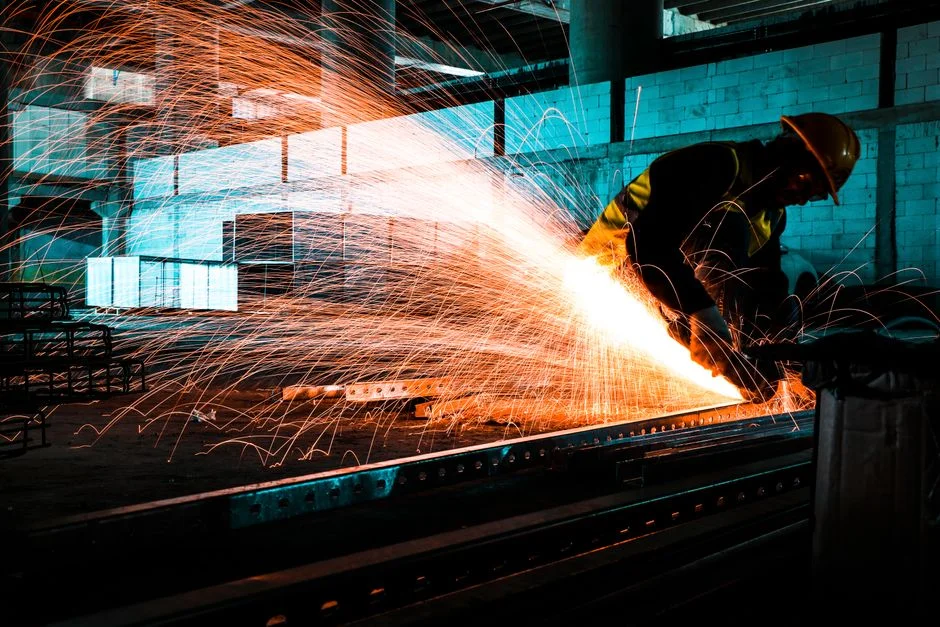
A worker at a steel manufacturing facility in Japan sustained injuries Tuesday after being attacked by a bear that somehow entered the industrial compound. The incident has prompted an immediate safety investigation and raised questions about biosecurity protocols at manufacturing sites across the country.
Incident Details and Immediate Response
Emergency services rushed to the scene at the steel works facility, where paramedics treated the injured worker before transporting them to a local hospital. Authorities have not released the worker's name or their current medical condition. Police and workplace safety inspectors cordoned off the area while wildlife experts searched the premises for the animal.
The bear escaped before officials could locate it. Local media reported that officers set up traps in the surrounding area as a precautionary measure. The Ministry of Health, Labour and Welfare confirmed it had opened an investigation into how the animal gained access to the industrial site.
Workplace Safety Regulations Under the Spotlight

The attack has exposed potential gaps in Japan's occupational safety framework. Industrial facilities, particularly those operating near forested regions, typically implement perimeter fencing and access controls designed to keep wildlife away from hazardous machinery and workers.
Japan's industrial accident statistics show that manufacturing sector injuries have declined steadily over the past decade. However, wildlife incursions into factory grounds represent a relatively uncommon but persistent risk in rural industrial zones. Workplace safety advocates argue that current guidelines do not adequately address this threat.
Regulatory Response Expected
The labour ministry indicated it would review safety protocols at similar facilities nationwide. Any new requirements could impose additional compliance costs on steel manufacturers and other industrial operators. Industry observers expect a formal report within the next several weeks.
Impact on Japan's Steel Industry
Japan's steel sector remains a cornerstone of the nation's manufacturing economy, supplying automotive producers, construction firms, and heavy industry both domestically and internationally. The incident occurs during a period of renewed focus on operational safety following several high-profile industrial accidents in recent years.
Market analysts note that Japanese steel producers have been working to restore investor confidence after a prolonged downturn in global steel prices. Any perception that safety standards have slipped could affect procurement decisions by major buyers. The Tokyo Stock Exchange's steel sub-index has shown modest gains this quarter, and traders will be watching for any stock price movement tied to this incident.
Insurance and Liability Considerations
Corporate liability insurers covering Japanese industrial operations typically include provisions for workplace accidents. However, wildlife-related incidents may fall into grey areas depending on policy wording. Legal experts suggest the injured worker's family could pursue claims under Japan's workers' compensation system, with potential additional civil litigation against the facility operator.
The incident could prompt insurers to revise underwriting criteria for industrial policies, particularly those covering facilities in regions with significant bear populations. Hokkaido and parts of northern Honshu record the highest bear sighting rates in Japan, according to wildlife management data.
Broader Industrial Safety Implications
Japan's manufacturing sector has faced intensifying scrutiny over workplace conditions in recent years. Labour shortages, driven by an aging workforce and declining birth rates, have forced some facilities to operate with reduced staff, potentially stretching safety oversight thin. This context makes the bear attack emblematic of broader operational challenges facing industrial employers.
Shareholder groups have increasingly raised safety governance concerns at annual meetings. Major institutional investors with holdings in Japanese manufacturing companies will likely demand clearer disclosure about incident prevention measures. The timing of this attack, occurring on a regular business day, underscores the unpredictable nature of operational risks that standard risk assessments may overlook.
What Happens Next
Labour ministry inspectors will spend the coming days examining the facility's perimeter security, wildlife deterrent systems, and emergency response protocols. Their findings could inform updated guidance for all industrial employers nationwide. The steel works operator faces potential fines if investigators determine negligence in maintaining adequate wildlife barriers.
The search for the escaped bear continues. Wildlife officials warn residents in the surrounding area to remain vigilant. Industry watchers will be tracking whether this incident influences purchasing decisions by automotive manufacturers and construction companies that rely on Japanese steel suppliers. The next quarterly earnings season, beginning in approximately three months, will reveal whether investors consider this a material concern for affected companies.
See Also
- Jyothi Vennam and Dhiraj Bommadevara Eye Asian Games Glory Amid Market Optimism
- Adani Energy Solutions Reports 32% Profit Surge — What It Means for Investors