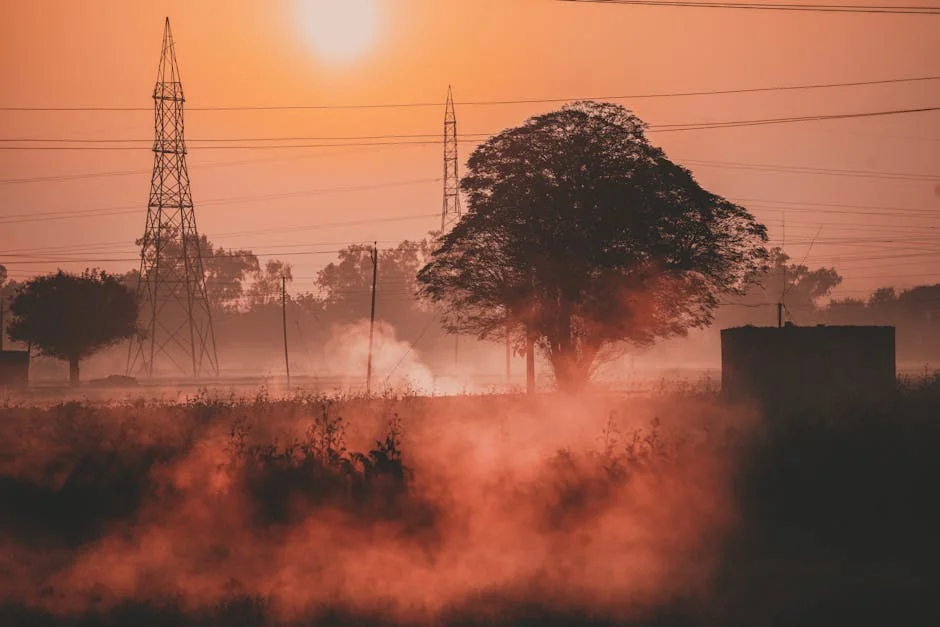
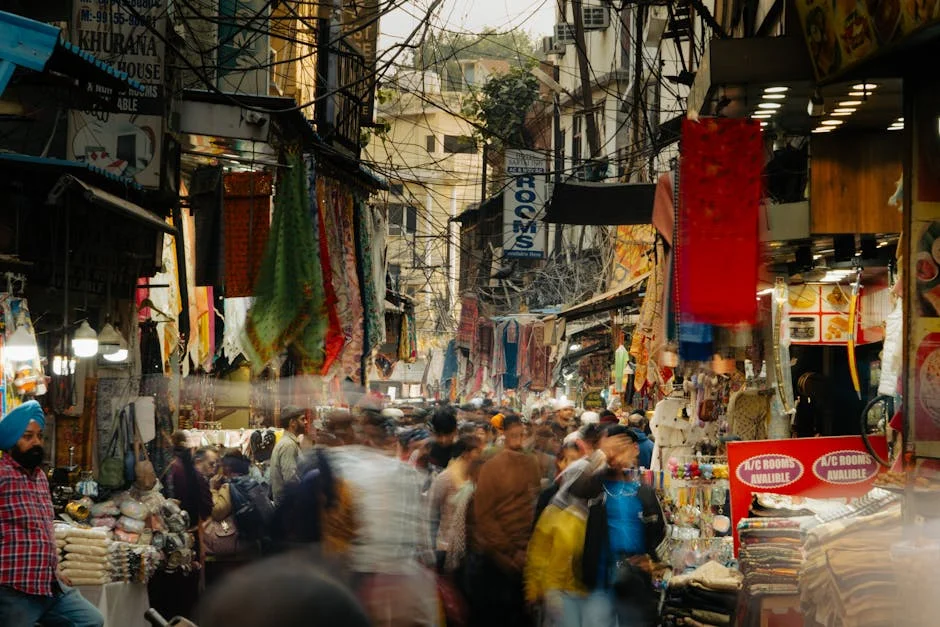
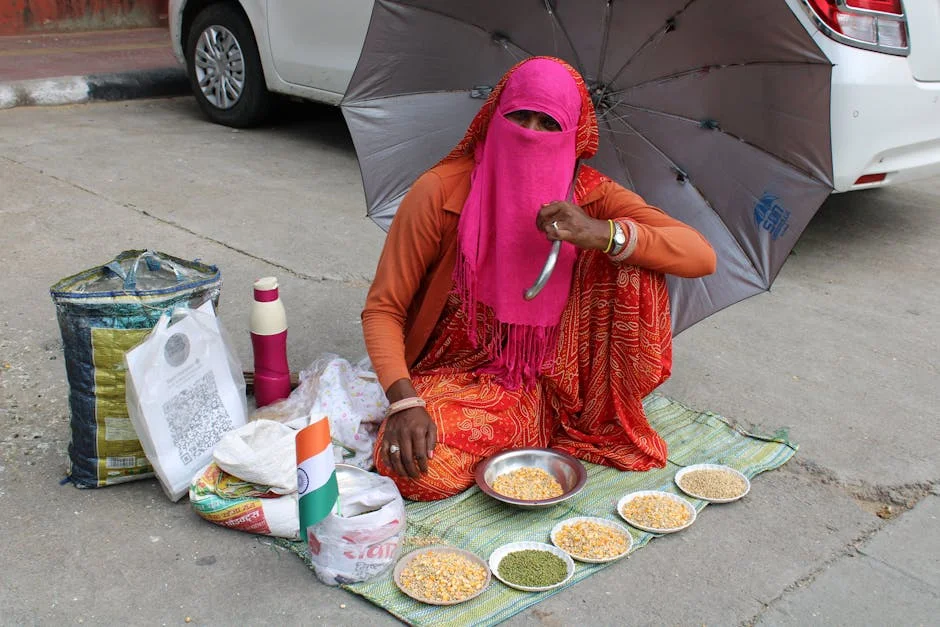
Delhi is bracing for significant weather changes as the India Meteorological Department (IMD) forecasts thunderstorms and potential hailstorms in the coming days. This warning comes as the city experiences an intense heatwave, with daytime temperatures reaching around 45°C, putting additional pressure on businesses and daily operations.
Weather Forecast and Economic Implications
The IMD has predicted thunderstorms accompanied by strong winds exceeding 50 km/h, with hailstorms expected particularly in northern India and Delhi between October 13 and 15. This shift in weather will provide relief from the ongoing heatwave but poses potential disruptions to local businesses, including agriculture and transport sectors. The forecast indicates that the rains could lead to an immediate drop in temperature, which traditionally has a mixed impact on market activities.
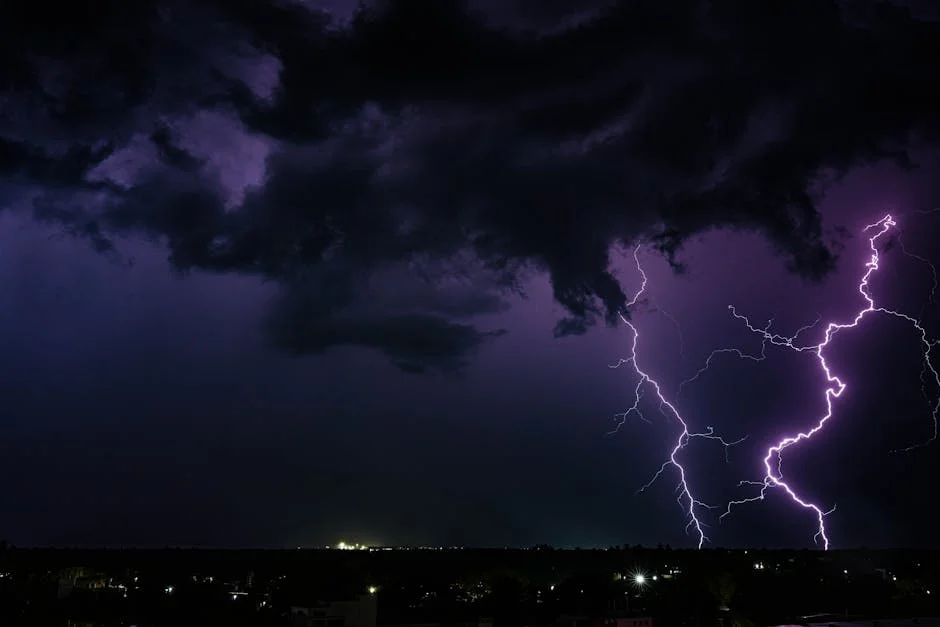
For businesses reliant on outdoor operations or transport logistics, the thunderstorms could result in delays and increased costs. The seasonal rains may help to mitigate the previous drought conditions in some areas, potentially improving crop yields and stabilising prices in the agriculture sector. However, the uncertainty surrounding hail events raises concerns among farmers regarding potential damage to standing crops.
Impact on Delhi's Business Environment

The expected thunderstorms will also have repercussions beyond agriculture. For instance, retail operations may face challenges as heavy rains can deter customers from shopping. Furthermore, with logistical disruptions likely, supply chains could become strained, leading to potential price increases on essential goods. Companies might need to adjust their operations to accommodate these weather disruptions, impacting their bottom line.
Investors keeping a close eye on the Delhi market may want to monitor how businesses adapt to this changing weather pattern. Historical data shows that weather events can significantly influence consumer behaviours and market dynamics, particularly in retail and agriculture, two sectors that are highly sensitive to climatic changes.
Infrastructure Preparedness and Response
Delhi's municipal authorities have stated that they are prepared for the anticipated weather changes, with emergency response teams on standby to manage any flooding or infrastructural damage. Ensuring a swift response will be critical to minimising disruptions to business operations. The city has also ramped up awareness campaigns urging residents to stay indoors during severe weather, highlighting the potential danger from strong winds and falling debris.
As the IMD’s warnings have been publicised, businesses in the region are urged to review their emergency protocols. Failure to take precautions may lead to increased liabilities, particularly for companies operating in sectors that face significant operational risks during adverse weather conditions.
Effects on Investment Sentiment
For investors, the impending change in weather can result in increased volatility in market prices, especially for companies in the agriculture sector. Reports suggest that other commodities may also see fluctuations, particularly if hailstorms damage crops in the north. Monitoring these developments is crucial for anyone with stakes in the Indian market.
Analysts predict that while some sectors may suffer, others could benefit, particularly those engaged in infrastructure development aimed at improving resilience against weather events. Companies in construction and related industries may see an uptick in investment as the government focuses on enhancing the city’s infrastructure to better handle extreme weather.
What to Watch Next
Looking ahead, stakeholders should keep an eye on the IMD's updates concerning weather patterns, especially as October progresses. Any shifts in forecasts could significantly affect market strategies. Moreover, businesses should consider implementing risk management strategies to mitigate potential losses during this tumultuous weather period. With the financial implications potentially expanding, investors will need to remain vigilant in their assessments of sector performances and overall market sentiment in response to these weather developments.
Historical data shows that weather events can significantly influence consumer behaviours and market dynamics, particularly in retail and agriculture, two sectors that are highly sensitive to climatic changes.Infrastructure Preparedness and ResponseDelhi's municipal authorities have stated that they are prepared for the anticipated weather changes, with emergency response teams on standby to manage any flooding or infrastructural damage. The city has also ramped up awareness campaigns urging residents to stay indoors during severe weather, highlighting the potential danger from strong winds and falling debris.As the IMD’s warnings have been publicised, businesses in the region are urged to review their emergency protocols.