Relentless rain paralysed Thailand’s capital this September, dumping a month’s worth of rainfall in a short span and causing floodwaters to surge from Bangkok’s drains. The sudden deluge has submerged vehicles and disrupted daily life, with residents like 24-year-old Fon reporting that their cars sank faster than their hopes of escaping the floods unscathed. This infrastructure failure highlights the vulnerability of the region’s logistics hubs to extreme weather events.
Immediate Impact on Bangkok Infrastructure and Daily Operations
Fon, a 24-year-old resident, recalled her decision last weekend to wait until dawn to move her car to a nearby shopping centre. She woke up at 5am but found it too late, as her vehicle was already submerged. She noted that she had bought the car less than a month earlier and had not even started making payments when it was lost to the waters. This personal loss illustrates the immediate financial hit to consumers who lack adequate flood protection for their assets.
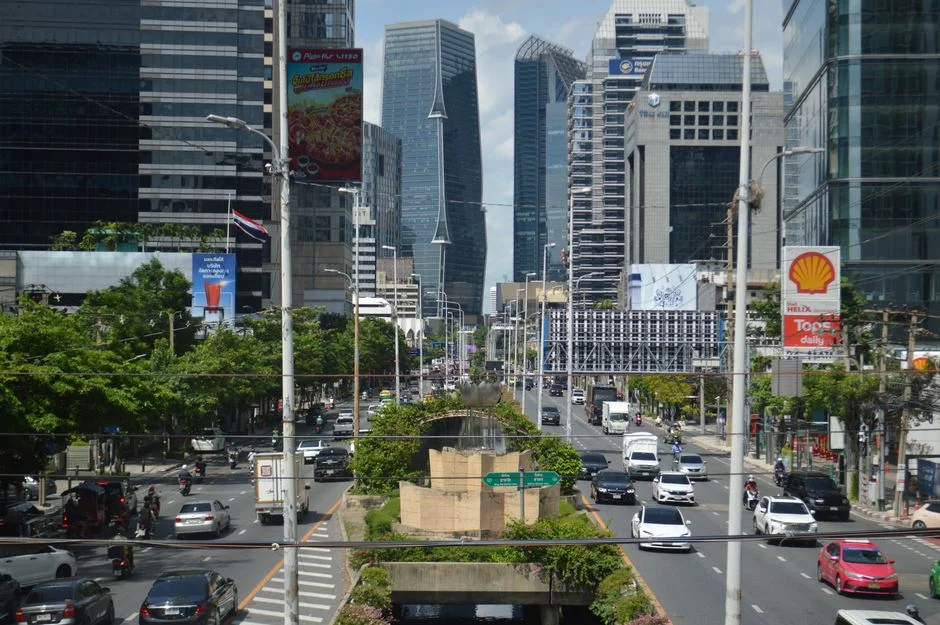
The flooding was not isolated to residential areas. The surge of water from the drains indicates a broader failure in the city’s drainage infrastructure to handle the volume of water. When drains overflow, they often carry debris and waste into the streets, further complicating cleanup efforts and transportation routes. For businesses operating in Bangkok, this means disrupted supply chains and increased operational costs.
The timing of the floods is critical. September is a key month for manufacturing and export activities in Thailand. Disruptions during this period can ripple through the regional supply chain, affecting industries that rely on just-in-time delivery models. The paralysis of the capital suggests that logistics networks are already under stress, with potential delays in the movement of goods.
Residents are now facing uncertainty about the duration of the flooding and the extent of the damage to their property. The loss of vehicles, especially new ones, represents a significant financial burden for many families. Insurance claims are likely to surge, putting pressure on local insurers and potentially leading to higher premiums for flood coverage in the future.
Broader Implications for Regional Supply Chains and Technology
The flooding in Bangkok serves as a stark reminder of the vulnerabilities in Asia’s manufacturing hubs. Thailand is a key player in the automotive and electronics sectors, and any disruption to its infrastructure can have wider implications for global supply chains. The region’s reliance on just-in-time manufacturing means that even short-term disruptions can lead to significant delays in production and delivery.
Technology deployment in flood management is becoming increasingly important. Smart drainage systems and real-time monitoring can help mitigate the impact of heavy rainfall. However, the current situation in Bangkok suggests that these technologies are either not yet widely deployed or are not functioning as intended. The failure of the drains indicates a need for better investment in infrastructure and maintenance.
The political dimension of the floods cannot be ignored. Residents are expressing fury over government inaction, suggesting that there may be a growing disconnect between policymakers and the public. This could lead to increased scrutiny of government spending on infrastructure and potentially influence upcoming elections. The anger of residents like Fon is a clear signal that the government needs to address these issues promptly.
For Singapore and the broader region, the floods in Bangkok highlight the importance of regional cooperation in managing climate risks. Supply chains are interconnected, and disruptions in one country can affect others. Singapore, as a major logistics hub, is particularly vulnerable to such disruptions. The ability to quickly adapt to changes in supply chain dynamics will be crucial for maintaining competitiveness.
The September politics update in Thailand may also be influenced by the floods. If the government is seen as failing to address the crisis effectively, it could weaken its position in the eyes of the public. This could have implications for policy decisions related to infrastructure, climate change, and economic development. The government will need to act quickly to restore confidence and demonstrate its capability to manage such crises.
See Also

- Twitter India Policy Head Exits — Transition Arrives in March
- Japan Demands Trump Stop Using Anime Characters — Anime Industry Braces for Fallout
For Singapore and the broader region, the floods in Bangkok highlight the importance of regional cooperation in managing climate risks. Thailand is a key player in the automotive and electronics sectors, and any disruption to its infrastructure can have wider implications for global supply chains.
What is the latest news about thailand floods submerge bangkok as drainage failures trigger supply chain risks?
Why does this matter for politics-governance?
What are the key facts about thailand floods submerge bangkok as drainage failures trigger supply chain risks?