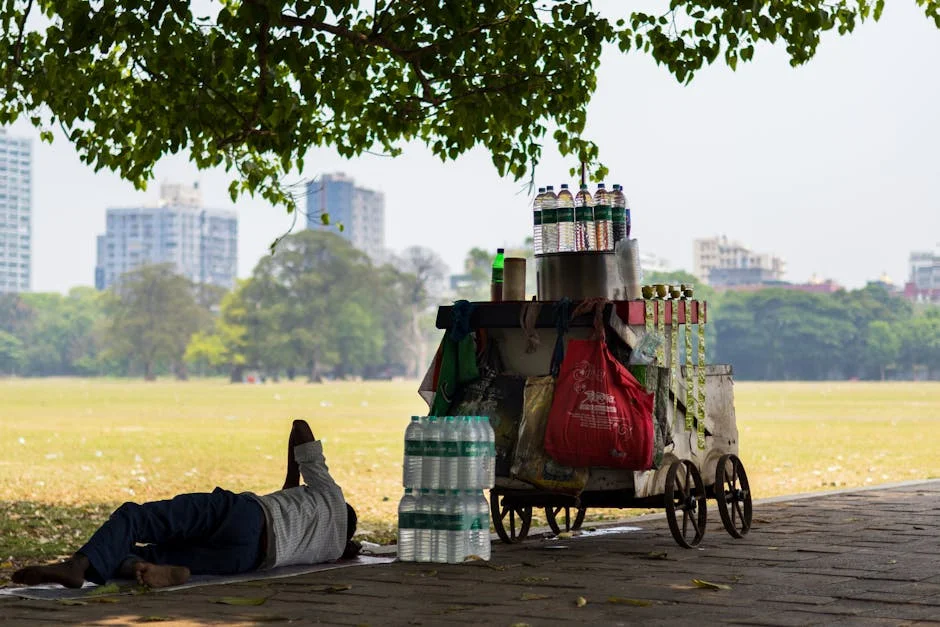
The India Meteorological Department (IMD) issued a stark warning regarding the upcoming monsoon season, predicting significantly below average rainfall across India. With a projected rainfall decline of approximately 15% below the long-term average, the implications for agriculture and the economy are considerable, particularly in regions like Northeast India.
Projected Rainfall and Economic Implications
The IMD announced that the expected rainfall from June to September 2023 could drop to about 74 cm, as compared to the long-term average of 87 cm. This unprecedented forecast is raising concerns for agricultural production, which heavily relies on the monsoon. With agriculture accounting for nearly 15% of India's GDP, any significant drop in rainfall can directly impact food production and pricing.
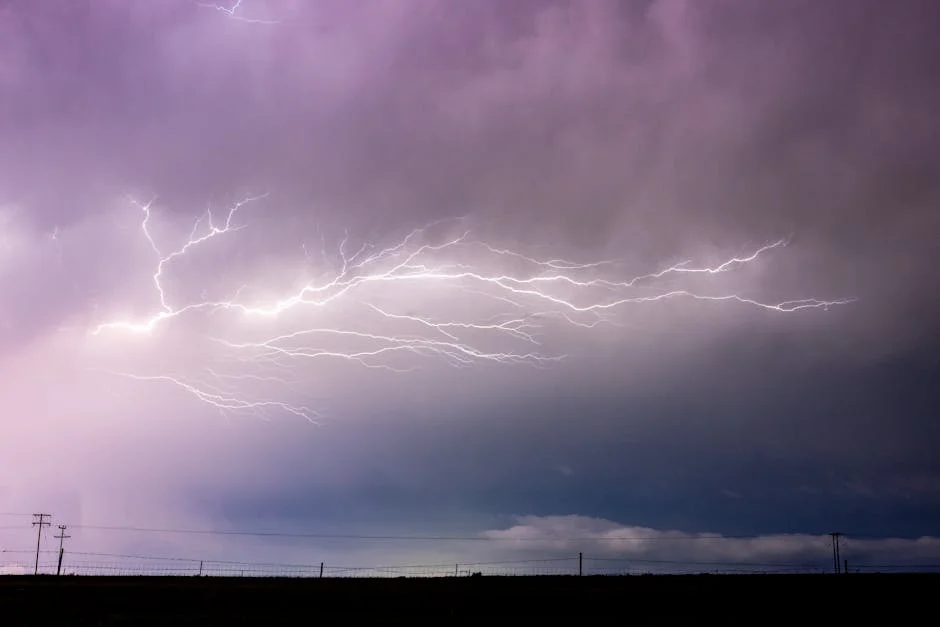
The monsoon season in India plays a pivotal role in determining crop yields. Poor rainfall could lead to crop failures, resulting in increased food prices and inflationary pressure on consumers. Agriculture minister Narendra Singh Tomar acknowledged that such scenarios could pose a risk to food security and economic stability.
Impact on Businesses and Investments


The anticipated rainfall shortfall also has implications for businesses, especially those in the agricultural supply chain. Companies involved in food processing, logistics, and retail could face increased costs and reduced margins. A decline in agricultural output may lead to a ripple effect across various sectors, prompting businesses to adjust their strategies accordingly.
Investors, particularly those in agricultural commodities, should brace for volatility. If the IMD's forecast materialises, prices for grains and other staples may surge due to supply shortages. The commodities market is likely to react swiftly, with traders closely monitoring rainfall forecasts and their implications.
Specific Regional Concerns
Northeast India, in particular, could experience exacerbated heatwave conditions alongside reduced rainfall. The region is already facing rising temperatures, which could worsen agricultural conditions and adversely affect local farmers. Areas like Assam, which depend heavily on monsoon rains for rice and tea production, are at significant risk.
Local farmers are expressing concerns about their livelihoods. Many are urging for government support to mitigate the impact of potential crop failures. The IMD's heatwave alarm further stresses the urgency for adaptive measures to safeguard agricultural productivity in vulnerable regions.
Government Response and Future Actions
In response to these alarming trends, the Indian government is preparing contingency plans to address potential food shortages. Agricultural subsidies and support for irrigation initiatives may be implemented to assist farmers in coping with the adverse weather. The Ministry of Agriculture is expected to hold discussions to devise strategies aimed at mitigating the impact on food production.
Additionally, the IMD plans to continue updating the public on rainfall predictions throughout the season, which will be crucial for farmers and businesses alike in making informed decisions. Stakeholders are advised to stay vigilant and responsive to changing weather conditions as the monsoon season progresses.
What to Watch Next
As the monsoon season approaches, upcoming weather updates from the IMD will be critical for understanding the full scope of the situation. Investors and businesses are recommended to monitor agricultural trends and consumer behaviour closely. The next few weeks will be telling in terms of how effectively the government can implement its contingency plans to address the economic fallout from below-average rainfall.
See Also
- Brazil's Government Demands Action as Inflation Hits 8% — Businesses Brace for Impact
- Kwagga Smith's Injury Sparks Strategic Opportunities for the Springboks