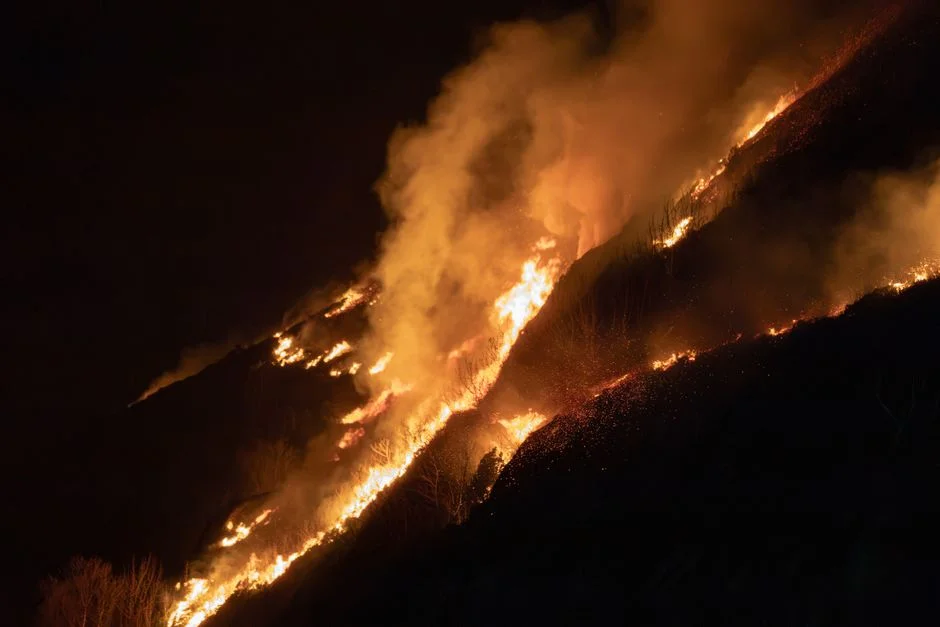
The Indian Meteorological Department (IMD) has reduced its monsoon forecast to 90% of the average, warning that June will be hotter amid a strengthening El Niño. Due to these developments, markets and businesses across both India and Southeast Asia, including Singapore, are preparing for a ripple effect on economic conditions.
IMD's Forecast and Economic Concerns
The IMD’s latest forecast, released on June 1, indicates a deviation from earlier predictions, which estimated rainfall at 96% of the average. This revision raises concerns regarding agricultural output, particularly in North India, which heavily relies on monsoonal rains for crops like rice and pulses.
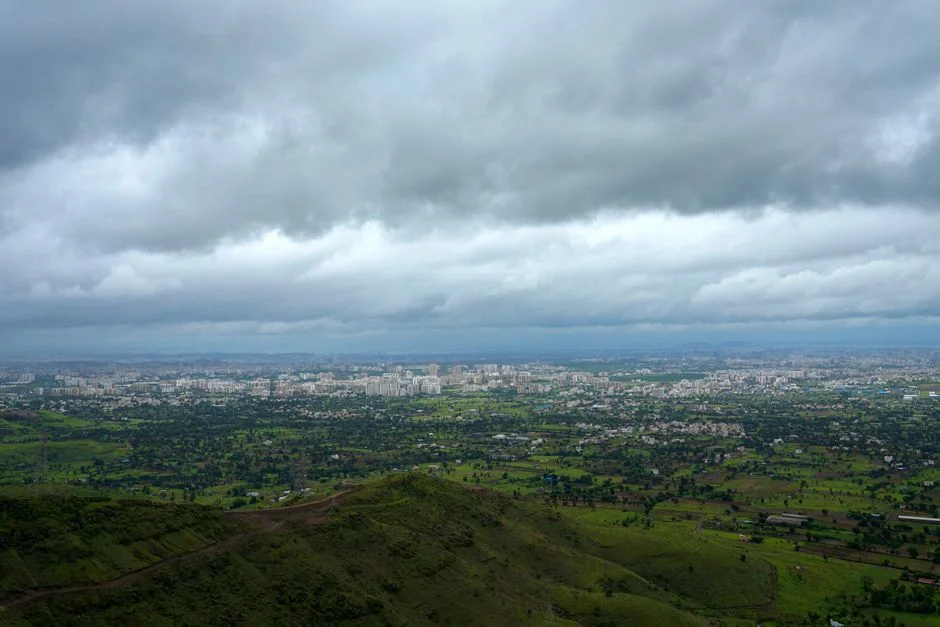
Farmers and businesses are now faced with uncertainty as the monsoon is critical for the sowing season, which typically starts in June. The reliance on rainfall for crop viability means that any significant decline could impact food prices and food security.
Market Reaction in India and Beyond


Indian markets reacted swiftly to the IMD's announcement. Shares of agricultural companies slid by approximately 4%, reflecting investor fears over potential crop shortages and higher produce prices. This downturn is projected to have broader implications, potentially inflating prices and pushing up inflation rates.
Businesses involved in agricultural exports may also face difficulties, as reduced rainfall can lead to lower output and diminished competitiveness in international markets. Given India’s position as a key exporter of rice and other staples, shifts in production can trigger fluctuations in global food prices.
Impact on Singapore and Regional Trade
As a major trading partner of India, Singapore remains attentive to these developments. The predicted hot June and lower rainfall in North India may lead to food price increases in Singapore, especially for products imported from India. In 2022, India was Singapore’s third-largest trading partner, primarily in agricultural products.
Food retailers and importers in Singapore may need to adjust their strategies to combat rising costs. This could manifest in price hikes for consumers, particularly for essential items like rice, which has seen an increase of over 15% in recent months due to supply chain disruptions.
El Niño's Role in Weather Patterns
The strengthening of El Niño is a critical factor behind the IMD's updated forecast. Historically, El Niño events bring about significant climatic shifts, causing disruptions to the monsoon. The correlation between El Niño and reduced rainfall has been documented, raising alarms for agricultural stakeholders.
With predictions indicating a prolonged El Niño phase, businesses must prepare for possible shifts in weather patterns that could affect not only agricultural output but also various sectors reliant on stable weather conditions.
Future Projections and Business Strategies
With the IMD's forecast signalling a need for immediate action, businesses should consider diversifying their supply chains and sourcing strategies. Companies reliant on agricultural products must assess their risk exposure and explore alternative markets to mitigate supply chain vulnerabilities.
Investors are advised to monitor agricultural stocks closely and evaluate the operational strategies of companies in the sector. The potential for increased volatility may prompt shifts in investment strategies as stakeholders seek to navigate this uncertain landscape.
What to Watch Next
Looking ahead, stakeholders should focus on updates from the IMD regarding rainfall predictions and any further developments concerning El Niño. The crucial period for sowing in North India runs through June, and outcomes during this time will significantly impact agricultural yields and market conditions.
Additionally, businesses and investors should prepare for potential policy responses from the Indian government aimed at mitigating the economic fallout. Awareness and adaptability will be essential in managing the repercussions of these climatic shifts.
What is the latest news about indian meteorological department cuts monsoon forecast markets brace for impact?
Why does this matter for environment-nature?
What are the key facts about indian meteorological department cuts monsoon forecast markets brace for impact?