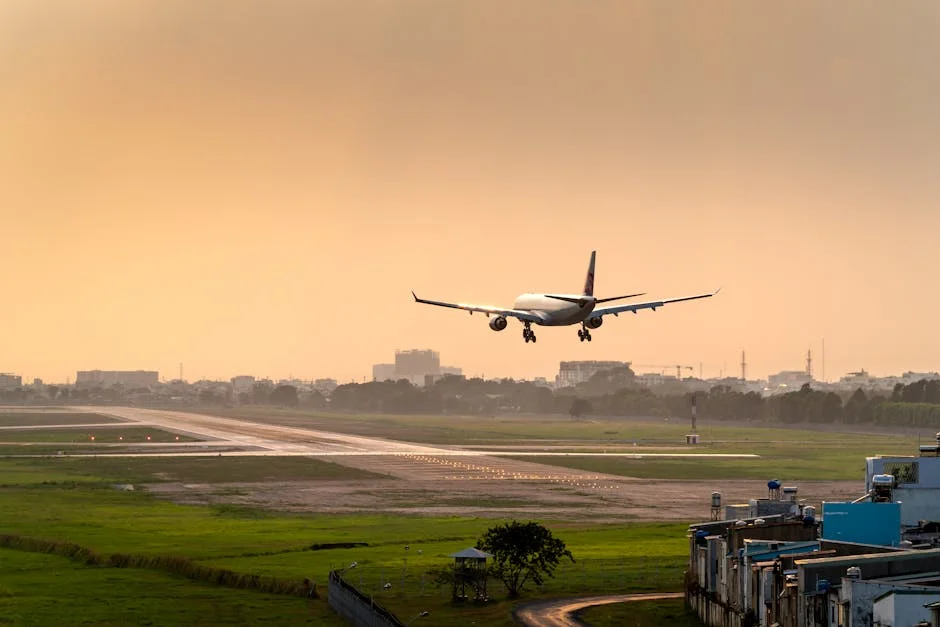
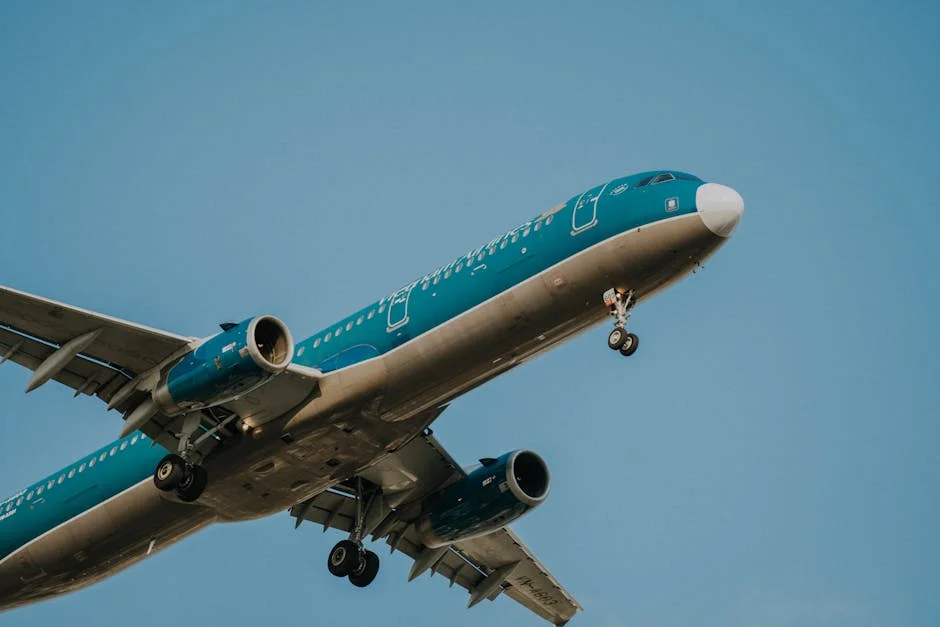
Air India and IndiGo, two of India’s largest airlines, announced the removal of over 250 daily flights from their domestic routes. This decision comes as a response to a significant drop in passenger demand following the recent pandemic fluctuations. The cuts, which will take effect from November 1, impact flights across major hubs including Mumbai and Delhi.
Passenger Demand Declines Amid Economic Challenges
The decline in demand can be attributed to various factors, including rising fuel prices and inflation that has affected consumer spending. According to the Ministry of Civil Aviation, air passenger traffic in India dropped by 15% last month compared to the previous year, leading to this drastic decision by the airlines. Air India, owned by Tata Group, and IndiGo have faced challenges in maintaining profitability in a market that has seen fluctuations in demand.
Fuel surcharges have risen by nearly 30% since the beginning of the year, putting further pressure on airlines to adjust their operations. This is compounded by the overall economic environment, where disposable income for travel has decreased as households tighten their budgets.
Impact on Travel and Commuters


The immediate implications of these flight cancellations are felt by commuters, many of whom rely on affordable domestic flights for business and leisure travel. With fewer options available, ticket prices are expected to surge, impacting the cost of travel across the country. Analysts predict that this could lead to an increase in airfares by as much as 20% in the coming weeks.
Travel agents voiced concern over the upcoming holiday season, a critical period for domestic travel. With diminished options, they expect a significant decline in bookings as pent-up demand remains unfulfilled. This could lead to further financial challenges for businesses in the travel and hospitality sectors, which are still recovering from the effects of the pandemic.
Market Reactions and Stock Performance
Investors reacted swiftly to the news, with shares of both Air India and IndiGo experiencing a moderate dip in the stock market. Following the announcement, Air India’s parent company, Tata Group, saw a 2% decline in its share price, while IndiGo’s stock fell by 1.5%. Investors fear that these flight cancellations may signify deeper underlying issues within the domestic aviation market.
Market analysts suggest that the situation could continue to deteriorate if airlines do not effectively manage their capacity and operational costs. The cuts could trigger further consolidations in the industry, as smaller players struggle to compete with the larger carriers amidst increasing operational costs.
Long-Term Implications for the Aviation Sector
The long-term effects of these flight cancellations could reshape the landscape of the Indian aviation sector. With fewer flights, the market may witness a shift towards higher ticket prices and reduced competition, which could deter new entrants into the market. This trend could limit options for consumers and drive consolidation among existing players.
Additionally, investors are monitoring the regulatory landscape closely, particularly with the government's ongoing efforts to support the aviation sector. Any future policy changes aimed at subsidising fuel or enhancing passenger demand could significantly influence the airlines' operational strategies.
What Lies Ahead for Airlines and Investors
Looking ahead, airlines must navigate a complex environment marked by rising costs and fluctuating demand. As they adjust to these changes, stakeholders need to keep an eye on upcoming government policies and initiatives that could impact the aviation market. The Ministry of Civil Aviation is expected to announce new measures to support the sector within the next month.
Investors will also be watching closely as the holiday travel season approaches, assessing whether the airlines can rebound from these cuts and adapt to the changing economic landscape. The outcome of this situation will be critical in determining the future direction of both Air India and IndiGo.
See Also
- China's New Reusable Rocket Takes Direct Aim at SpaceX's Commercial Dominance
- Trump Warns Taiwan on Independence — Markets Brace for Shock
Investors fear that these flight cancellations may signify deeper underlying issues within the domestic aviation market.Market analysts suggest that the situation could continue to deteriorate if airlines do not effectively manage their capacity and operational costs. This trend could limit options for consumers and drive consolidation among existing players.Additionally, investors are monitoring the regulatory landscape closely, particularly with the government's ongoing efforts to support the aviation sector.