India's Ministry of Earth Sciences has issued a stark warning that over 40 coastal districts, including Mumbai, will experience a temperature increase exceeding 1°C by 2040. This alarming projection could have far-reaching effects on local economies and global markets, especially as businesses and investors adjust to the impending climate changes.
Temperature Trends and Economic Implications
The report indicates that coastal regions in India are particularly vulnerable to rising temperatures. Mumbai, which has an average temperature of 27°C, could see significant shifts that may disrupt various industries, from agriculture to tourism. The ministry's forecasts are backed by environmental data, making them a critical consideration for businesses operating in these areas.
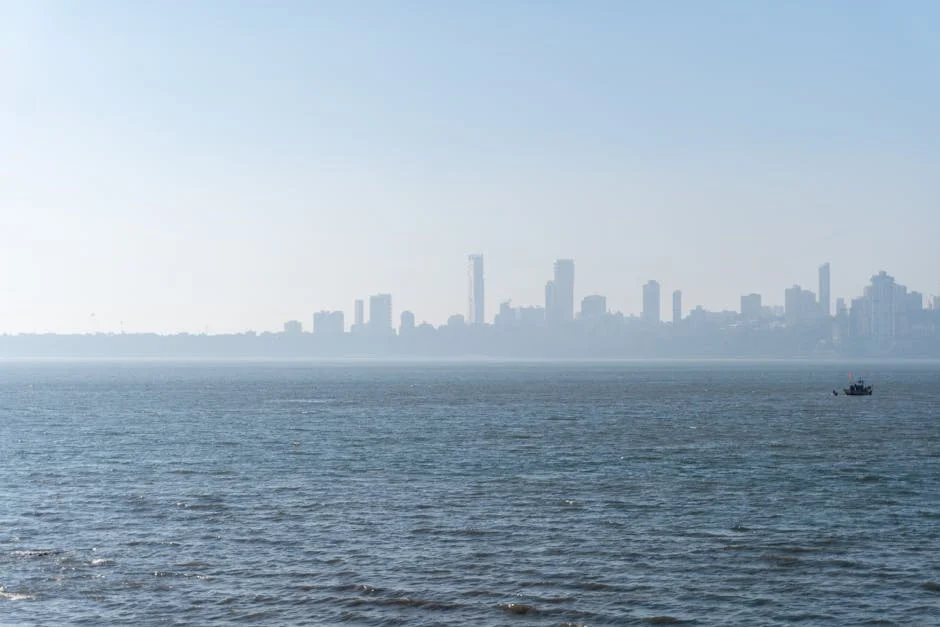
For investors, the implications are equally critical. A temperature rise in Mumbai may lead to higher operational costs for businesses reliant on cooling technologies and climate-controlled environments. Companies that fail to adapt to these changing conditions may find themselves struggling against rising expenses and decreasing productivity.
Impact on Agriculture and Food Security


A 1°C temperature rise may drastically affect agricultural outputs, particularly in coastal regions where farming relies on specific weather patterns. The monsoon season, essential for rice and other staple crops, could become increasingly unpredictable, threatening food security across India and potentially escalating prices globally.
Higher temperatures can also lead to an increase in pests and diseases that affect crops, further complicating agricultural stability. As food prices rise, businesses in Singapore that import Indian agricultural products may face increased costs, which could result in higher prices for consumers.
Tourism and Local Business Challenges
With Mumbai being a significant tourist destination, rising temperatures could deter visitors, particularly during peak seasons. As tourists gravitate towards cooler climates, the hospitality and service industries might experience declines in revenue. This sector employs millions, making its health vital for the local economy.
Local businesses may need to invest more in air conditioning and other cooling systems to make their offerings more appealing. Such capital expenditure could limit their ability to invest in other areas, stifling growth and innovation.
Investor Sentiment and Market Reactions
Investor sentiment has been cautious since the report's release. Stocks in industries deemed vulnerable to climate change, such as agriculture and tourism, have shown volatility, reflecting concerns over future profitability. On the other hand, companies that focus on sustainable practices and climate adaptation strategies may see increased interest from socially responsible investors.
Green Investments on the Rise
With a focus on sustainability, a segment of the investment community is shifting towards green technologies. Companies developing cooling systems that are environmentally friendly or agricultural methods that require less water could attract more funding as investors seek to mitigate risks associated with climate change.
What to Watch in Mumbai and Beyond
As Indian authorities prepare to implement climate mitigation strategies, businesses should stay alert to potential regulations that may arise in response to these warnings. Adapting to new policies could dictate market positions moving forward. Investors are advised to closely monitor developments in Mumbai’s climate policy and its overall economic impact.
In the coming months, stakeholders should expect more detailed guidelines from India’s Ministry of Earth Sciences and regional authorities. These guidelines will be crucial for businesses and investors in assessing risks and identifying opportunities in a changing climate landscape.
See Also
- Singapore Pushes Nuclear and Renewables as Energy Prices Surge
- TSMC Energy Surge Triggers Taiwan Grid Crisis and Global Chip Risks
Stocks in industries deemed vulnerable to climate change, such as agriculture and tourism, have shown volatility, reflecting concerns over future profitability. Investors are advised to closely monitor developments in Mumbai’s climate policy and its overall economic impact.In the coming months, stakeholders should expect more detailed guidelines from India’s Ministry of Earth Sciences and regional authorities.