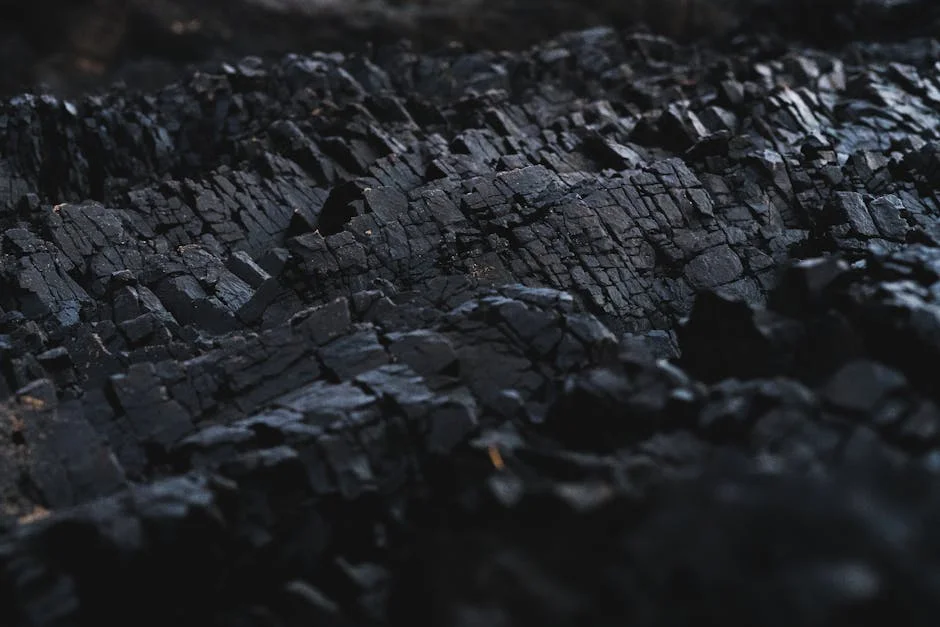
Chinese authorities have opened a formal investigation into Zhao Yongjin, the county chief of Qinyuan, according to a statement from provincial disciplinary officials released this week. The investigation comes five months after Zhao conducted an inspection of the Liushenyu Coal mine in Changzhi, Shanxi province, just days after a deadly roof collapse killed three miners at the site.
Investigation Announcement Rocks Local Officials
The Shanxi Provincial Commission for Discipline Inspection confirmed the graft probe against Zhao Yongjin in a brief statement. Officials did not specify the exact allegations but indicated the investigation relates to potential violations of party discipline and state laws. Zhao had served as Qinyuan county chief during the March 2024 mine collapse that claimed three lives at the Liushenyu Coal operation.
The timing of the investigation has drawn sharp attention from analysts monitoring China's anti-corruption enforcement in the mining sector. Zhao's earlier visit to the mine site had been publicly documented, with state media publishing photographs of the official reviewing safety protocols alongside mine managers. Now those same officials face scrutiny over whether proper procedures were followed.
The Liushenyu Coal Disaster


The fatal collapse occurred on March 11, 2024, when a roof support failure at the Liushenyu Coal mine trapped workers underground. Rescue teams pulled three bodies from the wreckage over the following 36 hours. The mine, operated by a local subsidiary, had passed its most recent safety inspection just two months earlier, according to records from the Shanxi Provincial Emergency Management Department.
Local media reported that Zhao Yongjin arrived at the mine site on March 14, three days after the disaster. His inspection tour included meetings with mine executives and a review of rescue operations. Photographs from that visit show Zhao wearing a white hard hat and reviewing documents at the mine entrance.
Safety Inspections Under the Microscope
The investigation arrives amid heightened pressure on Chinese coal producers to improve safety records. China remains the world's largest coal producer, with annual output exceeding 4 billion tonnes. The industry has faced repeated calls from Beijing to reduce accidents following a series of high-profile disasters in recent years.
Regulatory filings show that Liushenyu Coal had accumulated several minor safety violations in the 18 months preceding the March collapse. None of those violations had resulted in production stoppages before the fatal incident occurred.
Economic Ripples for Coal Markets
The graft investigation carries implications for investors tracking China's coal sector. Shanxi province alone accounts for roughly 27 percent of China's total coal production, making any regulatory shift in the region material to domestic supply chains. Power generators and steel mills across eastern China rely on steady flows of thermal and coking coal from Shanxi mines.
Market observers note that anti-corruption probes in China's mining sector often trigger temporary production adjustments as companies conduct internal reviews. Analysts at several foreign brokerage houses have flagged the Zhao Yongjin investigation as a potential signal of tighter enforcement ahead of the winter heating season.
Investors Weigh Regulatory Risk
Coal company shares listed in Hong Kong and Shanghai showed modest movement following news of the investigation. Industry sources suggest that major state-owned coal producers are closely monitoring how the Qinyuan case unfolds, given its potential to set precedents for local government accountability.
The investigation also raises questions about the relationship between county-level officials and the mining companies operating within their jurisdictions. Zhao Yongjin's inspection of Liushenyu Coal came at a critical moment for the sector, just as Beijing was demanding improved safety performance following winter power shortages.
What Comes Next
Disciplinary officials have not announced a timeline for completing the investigation. Under Chinese law, graft probes involving local officials can extend for several months before formal charges are announced. The National Supervision Commission, which oversees anti-corruption efforts nationally, has not issued a separate statement on the Qinyuan case.
Watchers of China's mining sector expect further developments before year-end. Provincial authorities in Shanxi have scheduled additional safety audits for the fourth quarter, with particular attention directed at mines within Changzhi prefecture. The outcome of Zhao Yongjin's case could influence how aggressively those audits are conducted and what penalties companies face for safety lapses.
See Also
- Manila Building Collapse Traps Workers — Construction Sector Faces Immediate Shock
- Gujarat Powers Up: 40L Households Benefit from Surya Ghar Yojana
Industry sources suggest that major state-owned coal producers are closely monitoring how the Qinyuan case unfolds, given its potential to set precedents for local government accountability.The investigation also raises questions about the relationship between county-level officials and the mining companies operating within their jurisdictions. Analysts at several foreign brokerage houses have flagged the Zhao Yongjin investigation as a potential signal of tighter enforcement ahead of the winter heating season.Investors Weigh Regulatory RiskCoal company shares listed in Hong Kong and Shanghai showed modest movement following news of the investigation.