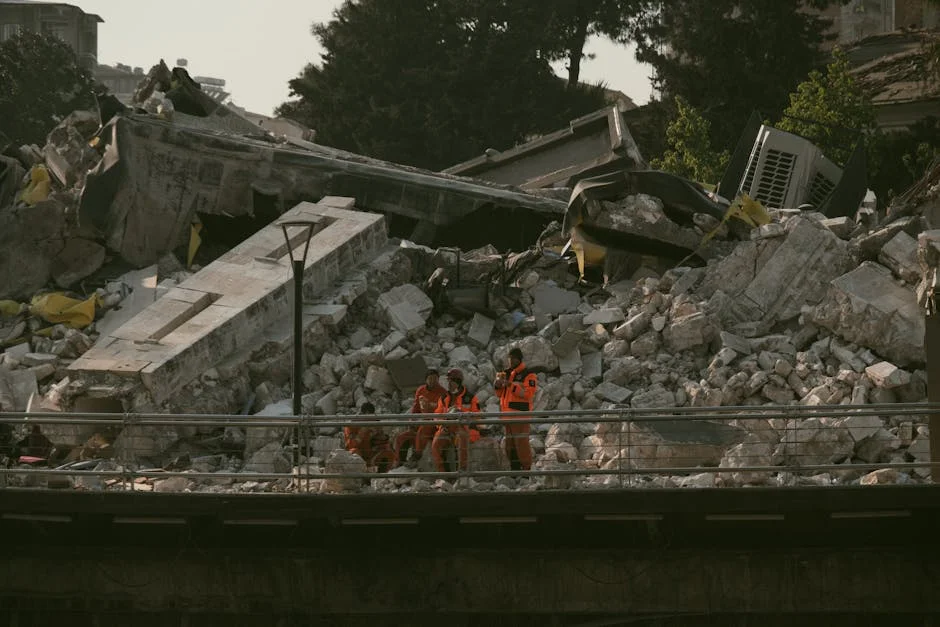
A multi-storey building in central Manila collapsed on Tuesday, killing at least one person and leaving dozens of workers trapped beneath the rubble. The sudden structural failure has triggered immediate concerns over building safety standards and insurance liabilities across the Philippines. Markets in Manila reacted swiftly, with construction stocks seeing minor volatility as investors assess the potential ripple effects on ongoing projects.
The incident occurred at a commercial complex in the Makati financial district, one of the most active real estate hubs in Southeast Asia. Emergency responders from the Metropolitan Manila Development Authority (MMDA) have established a perimeter, but the presence of heavy machinery and uncertain structural integrity has slowed rescue efforts. For businesses operating in the region, this event raises urgent questions about liability and the pace of future development approvals.
Immediate Market Reaction and Insurance Implications

The collapse sends a clear signal to the insurance sector, which is already scrutinizing the risk profile of mid-rise commercial buildings in the Philippine capital. Major insurers based in Manila have begun reviewing policies for properties constructed between 2010 and 2015, a period marked by rapid urban expansion. Premiums for construction all-risk policies are likely to see an upward adjustment in the coming quarter.
Investors watching the Philippine Stock Exchange (PSE) noted a brief dip in shares of leading developers. While the immediate financial impact on individual firms remains contained, the psychological effect on market confidence can be lasting. Real estate investment trusts (REITs) holding assets in central Manila are under pressure to disclose detailed structural audit reports to reassure shareholders. This transparency demand could increase administrative costs for property management companies across the archipelago.
The insurance industry faces a potential wave of claims not just for the collapsed structure but for adjacent businesses that suffered damage from debris and dust. Underwriters are now focusing on the adequacy of deductible clauses in standard commercial policies. This shift may lead to tighter underwriting criteria for new construction projects, potentially increasing the cost of capital for developers seeking to finance new towers in high-density zones.
Construction Sector Faces Regulatory Scrutiny

The Department of Public Works and Highways (DPWH) has announced an emergency review of inspection protocols for buildings in Metro Manila. This move comes after years of criticism regarding the speed of construction versus the rigor of quality control. Developers are now facing the prospect of delayed permits as regulators introduce more stringent structural integrity tests for projects nearing completion.
For construction firms, these regulatory changes mean higher compliance costs and longer timelines. Projects that were previously fast-tracked may now require additional engineering certifications. This slowdown could affect the delivery schedules of major commercial and residential complexes, impacting cash flow for developers who rely on phased revenue recognition. Suppliers of construction materials may also see a temporary dip in orders as projects pause for re-evaluation.
Impact on Supply Chain and Labor Costs
The disruption extends to the supply chain, where steel and concrete suppliers in Luzon are bracing for fluctuating demand. If the market reacts with caution, inventory levels could rise, putting pressure on the margins of material producers. Labor costs may also increase as firms compete for skilled engineers and inspectors who are suddenly in higher demand due to the intensified scrutiny.
Local labor unions are calling for better safety gear and regular training sessions, which adds another layer of operational expense for construction companies. These costs will likely be passed on to end-consumers in the form of higher rental rates and property prices. The ripple effect is already visible in preliminary quotes from major contractors who are adjusting their bids to account for the new regulatory environment.
Investor Confidence and Foreign Capital Flows
Foreign investors, including those from Malaysia and Singapore, are closely monitoring the situation to gauge the stability of the Philippine real estate market. The Philippines has been a key destination for Southeast Asian capital seeking higher yields than those available in neighboring countries. A perception of structural risk could dampen enthusiasm for new entry or expansion.
Malaysian investors, in particular, have shown interest in the Manila market due to its growing middle class and robust economic growth. This incident serves as a reminder of the operational risks involved in emerging markets. Portfolio managers are likely to conduct deeper due diligence on the engineering quality of assets before committing new capital. This cautious approach could slow down the influx of foreign direct investment (FDI) into the Philippine property sector in the short term.
However, some analysts argue that this event may lead to a more robust and transparent market in the long run. If regulators enforce stricter standards, it could wean out weaker players and consolidate the market around more resilient firms. For long-term investors, this consolidation might present opportunities to acquire assets at a discount while benefiting from improved regulatory oversight and higher quality construction.
Broader Economic Consequences for Manila
The collapse has also drawn attention to the broader economic implications for Manila’s commercial real estate sector. Office vacancy rates in the Makati and Bonifacio Global City districts have been rising due to the post-pandemic shift to hybrid work models. A major structural failure could accelerate tenant turnover as businesses seek to move into newer, perceived-as-safer buildings.
This shift could create a two-tier market where premium, recently constructed buildings command higher rents, while older structures face pressure to lower prices or undergo costly renovations. Property owners of older buildings may need to invest heavily in retrofitting to remain competitive. This capital expenditure requirement could strain the balance sheets of smaller property holding companies that lack access to cheap financing.
The city’s tourism sector may also feel a minor impact, as international visitors and business travelers often choose accommodation in the central business district. Negative publicity surrounding building safety could influence booking decisions, leading to a temporary dip in occupancy rates for hotels in the immediate vicinity. Hoteliers are likely to invest in marketing campaigns highlighting recent safety audits to maintain confidence among potential guests.
Regulatory Response and Future Outlook
The Philippine government is expected to introduce a new building code amendment within the next six months. This amendment will likely mandate more frequent structural inspections for buildings over 10 stories. The implementation of these rules will require significant resources from both the public and private sectors. Developers will need to factor in these ongoing compliance costs into their financial models.
Local governments may also impose stricter zoning laws to control the density of high-rise buildings in certain areas. This could slow down the pace of urban development but potentially enhance the overall resilience of the city’s infrastructure. For investors, this means a shift from a volume-driven growth strategy to a quality-focused approach. The market may see fewer new launches but with higher per-unit values and better long-term sustainability.
The incident also highlights the need for better disaster preparedness and rapid response mechanisms. The Philippine Red Cross and other NGOs are playing a crucial role in the rescue efforts, but the efficiency of these operations is being watched closely. Improvements in emergency response infrastructure could become a selling point for real estate developers who market their projects as having superior safety features.
What Investors and Businesses Should Watch Next
In the coming weeks, the focus will shift from immediate rescue efforts to the legal and financial aftermath. Investors should monitor the disclosure of audit reports from the DPWH, which will provide insights into the root causes of the collapse. These reports will likely influence insurance premiums and developer confidence. Any indication of widespread structural issues in similar buildings could trigger a broader market correction.
Businesses operating in Manila should review their lease agreements and insurance coverage to ensure they are adequately protected against structural risks. Tenants may have grounds for rent abatement or early termination if the building is deemed uninhabitable for an extended period. Landlords, on the other hand, need to assess the cost of repairs and potential liability claims. Proactive communication with stakeholders will be essential to maintaining trust and minimizing financial losses.
The Philippine Securities and Exchange Commission may also issue new disclosure requirements for real estate companies listed on the PSE. These requirements could include more detailed information on building age, inspection history, and structural integrity. This increased transparency will help investors make more informed decisions and reduce information asymmetry in the market. Watch for the first quarterly reports from major developers to see how they account for these new regulatory costs and potential liabilities in their financial statements.
See Also
- Joana Shifts Douro Landscape — How Porto's Changes Impact Businesses in SG
- Namibia's Green Energy Dream Slams Penguins - What It Means For Investors And Markets
What is the latest news about manila building collapse traps workers construction sector faces immediate shock?
Why does this matter for environment-nature?
What are the key facts about manila building collapse traps workers construction sector faces immediate shock?