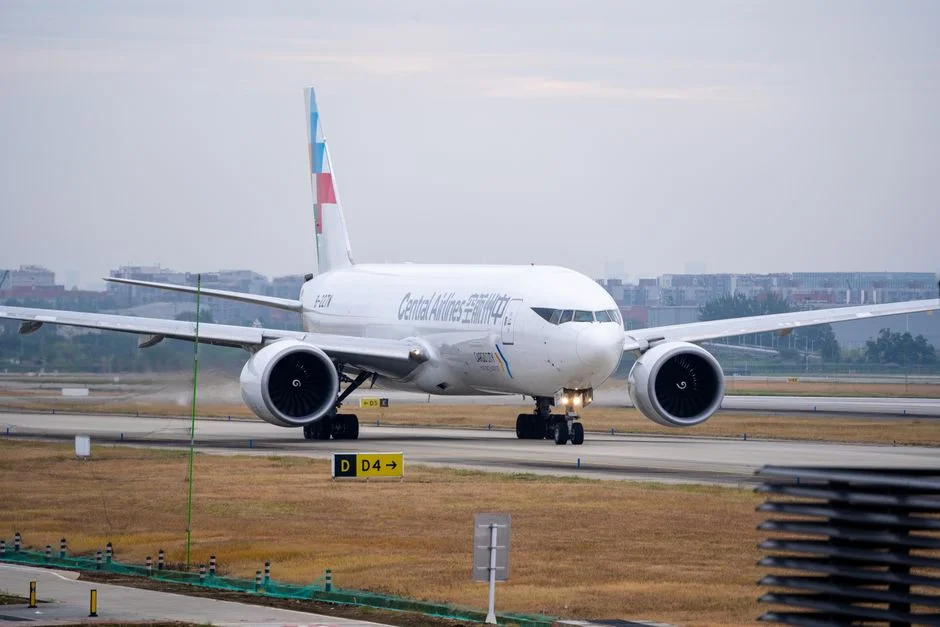
Beijing aviation and municipal authorities confirmed on Monday that a light aircraft crashed into the Citic Tower, a 528-metre supertall skyscraper in the Chinese capital, killing the pilot and injuring 13 people on the ground. Emergency services responded to the scene in the Chaoyang district, where the aircraft struck the building during what officials described as a rare airspace incident in one of the world's most tightly controlled aviation environments.
Pilot Killed, Dozens Treated at Scene
The crash occurred near one of Beijing's most prominent business addresses. Rescuers transported the injured to local hospitals, where some received treatment for injuries sustained from debris or the impact. The pilot, whose identity has not been released, did not survive. The Civil Aviation Administration of China confirmed it had opened an investigation alongside municipal safety officials.
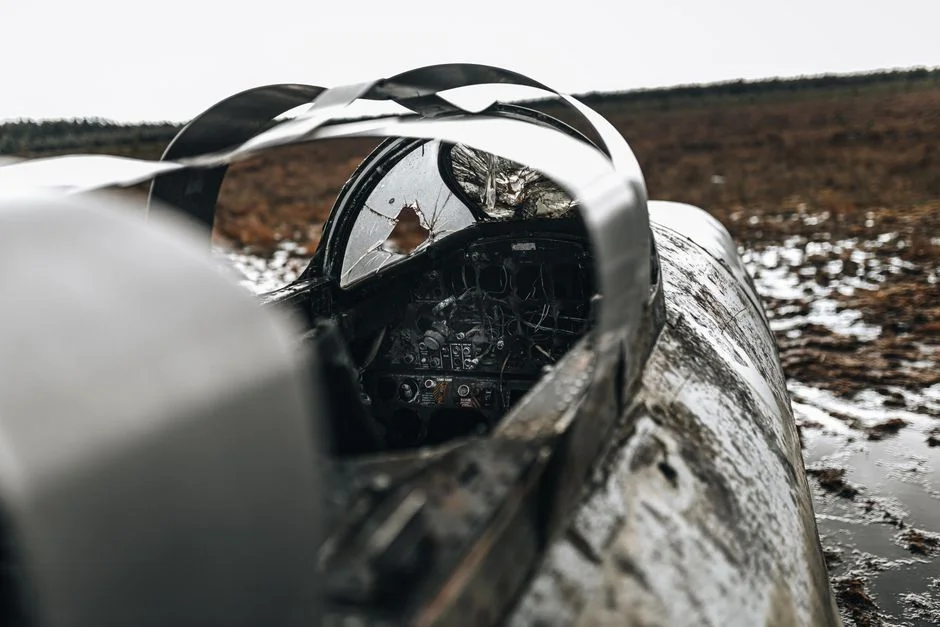
How the Aircraft Breached Beijing Airspace

Questions mounted immediately about how a light aircraft managed to penetrate airspace above the capital's central business district. China maintains some of the world's strictest aviation controls around Beijing, with extensive no-fly zones and air defence identification zones covering the metropolitan area. The incident marks an unusual security lapse for a city that hosts significant state functions and houses numerous foreign embassies.
Aviation Sector Under Fresh Scrutiny
The crash adds pressure on regulators already managing a complex recovery in China's aviation sector. Passenger volumes have rebounded following years of pandemic-era restrictions, but incidents like this carry reputational risks for an industry working to restore public confidence. Aviation Law experts told local media the breach would likely trigger an immediate audit of permitting procedures for general aviation flights near populated areas.
Business District Braces for Disruption
The Citic Tower serves as the headquarters for Citic Securities, one of China's largest investment banks, and houses offices for multinational corporations. The crash occurred during business hours, meaning dozens of companies operating in the building and adjacent structures face potential disruption. Business interruption claims are expected to feature prominently in insurance assessments.
Commercial Property Confidence Tested
Property analysts are watching how tenants and investors respond to the incident. Beijing's central business district commands some of the highest commercial real estate values in Asia, and any sustained impact on occupancy or rental rates would carry implications for the broader market. Companies with significant operations in the affected area face decisions about continuity planning and potential relocation costs.
Insurance Claims Set to Rise
The crash is expected to generate significant insurance activity across multiple lines. Property damage coverage, business interruption policies, and casualty claims will all require assessment. Aviation insurance specialists noted that incidents involving light aircraft and urban infrastructure tend to produce complex multi-party claims involving building owners, tenants, and the aircraft operator's liability coverage.
What Investigators Will Examine Next
Authorities have begun retrieving flight records and debris from the crash site. Investigators will determine whether the aircraft had proper clearance for the route, what mechanical condition it was in, and whether operator compliance with Chinese aviation regulations played a role. Criminal negligence charges remain possible depending on findings, according to legal experts following the case.
The Civil Aviation Administration of China pledged to publish preliminary findings within 30 days. Market observers will watch whether regulators introduce emergency airspace restrictions or permit requirements that could affect general aviation operations across the Beijing metropolitan area. Tenant sentiment surveys and insurance renewals in the Chaoyang district will offer early signals of how significantly the incident reshapes commercial property risk assessments in the capital.
See Also
- Japan Confirms Tourist Visa Fee Surge Exceeds 400 Percent — Here's What Changes Next Month
- Seoul Fines South Korea's E-Commerce Giant Record $409 Million — Investors Brace for Impact
Commercial Property Confidence Tested Property analysts are watching how tenants and investors respond to the incident. Beijing's central business district commands some of the highest commercial real estate values in Asia, and any sustained impact on occupancy or rental rates would carry implications for the broader market.
What is the latest news about light aircraft crashes into beijings citic tower pilot dead 13 hurt?
Why does this matter for world-affairs?
What are the key facts about light aircraft crashes into beijings citic tower pilot dead 13 hurt?