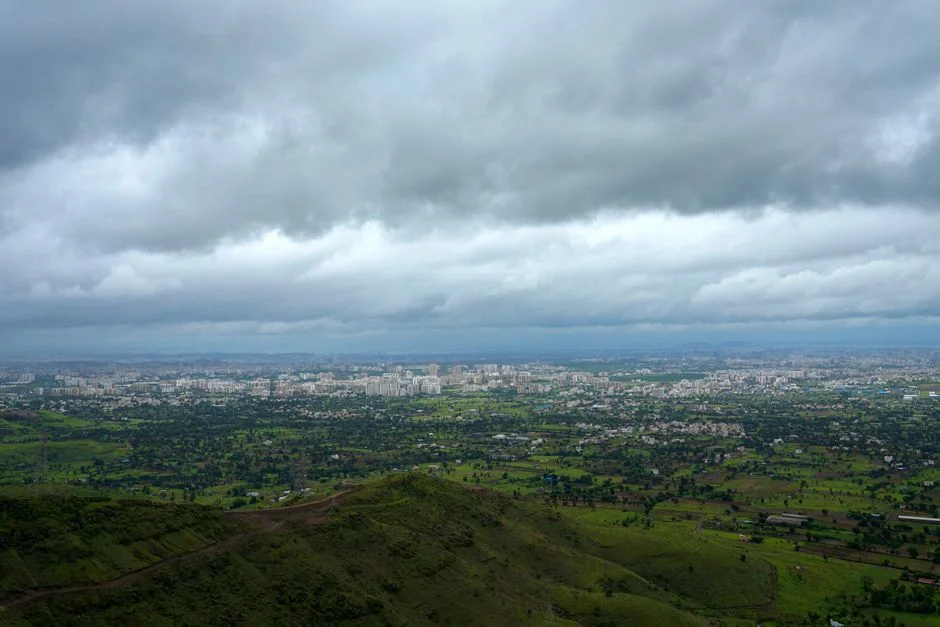
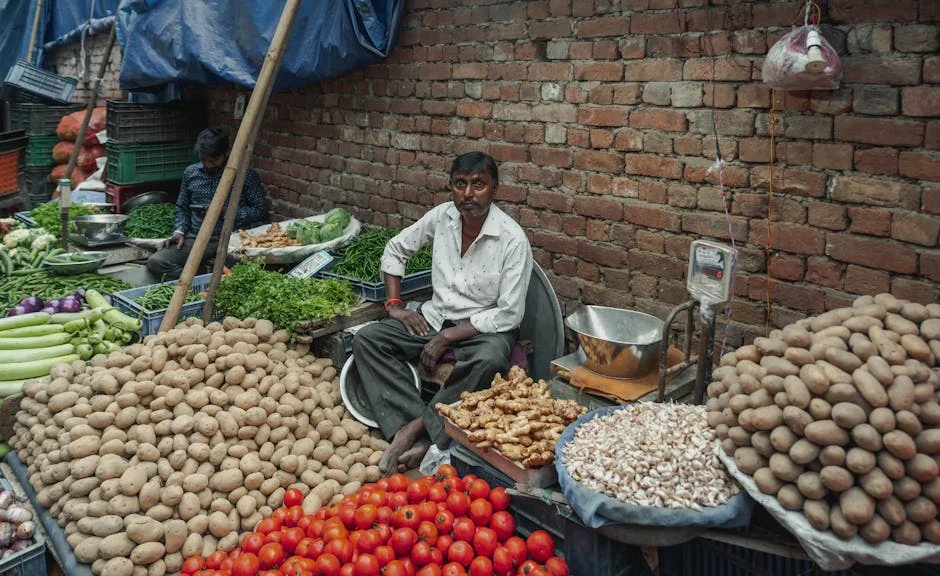
India is bracing for one of its worst monsoon seasons since 2015, as meteorologists predict a 60% likelihood of severe disruption due to El Nino. This weather phenomenon, known for its capacity to alter rainfall patterns, could have significant repercussions for the country's agricultural sector and broader economy.
El Nino's Historical Impact on India
El Nino, which occurs every few years, has been linked to drastic changes in weather across the globe. For India, this can mean diminished rainfall, particularly during the crucial June to September monsoon months. Historically, a strong El Nino has been associated with an increased risk of drought, pushing crop yields down and threatening food security.
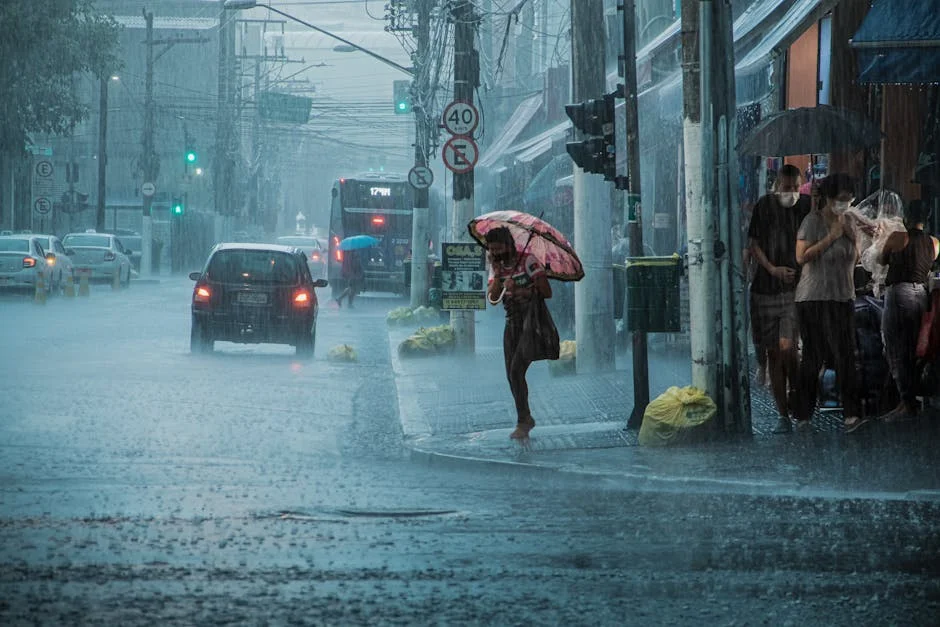
According to the India Meteorological Department (IMD), rainfall during the monsoon season is expected to be below the long-term average in 2023. In 2015, another severe El Nino event led to a 12% drop in kharif (summer-sown) crop production, significantly impacting the country's economy.
Market Reactions to Possible Drought

As news of the impending monsoon crisis spreads, markets are already reacting. Commodities like rice and pulses, which are staple foods in India, have begun to see price fluctuations. Investors are wary, with shares in agricultural companies showing signs of volatility.
Analysts predict that if rainfall falls short of expectations, food inflation could rise sharply, affecting consumer prices in India and potentially beyond. Given India's role as a significant exporter of various agricultural products, this could have far-reaching implications for global food markets.
Implications for Local Businesses
Local farmers and agricultural businesses are particularly vulnerable. Many depend on the monsoon rains for crop cultivation, and an extended drought could threaten their livelihoods. The Ministry of Agriculture has acknowledged the potential impact, citing the need for contingency plans to mitigate losses.
Farmers in key agricultural regions, including Punjab and Haryana, are already expressing concerns. With a projected 15% decrease in rice production, businesses that supply farming equipment and seeds may face financial strain. This is exacerbated by rising operational costs, which could push some farmers towards insolvency.
Investment Perspective amid Uncertainty
From an investment standpoint, the looming agricultural crisis provides a complex picture. While some investors may shy away from agricultural stocks, others may look to acquire shares in companies that specialise in drought-resistant seeds and agricultural technology.
Investment firms have begun to reassess their strategies, weighing the potential for short-term losses against long-term opportunities in sectors that thrive in adverse conditions. Hedge funds are reportedly monitoring the situation closely, poised to take advantage of market fluctuations.
Regional Impact on Singapore and Beyond
The repercussions of India's monsoon crisis will likely extend to Singapore and other nations reliant on Indian agricultural exports. Singapore imports a significant amount of its food from India, and reduced supply could lead to higher prices for consumers there.
Furthermore, as Singapore aims to diversify its food sources, the instability in India’s agricultural sector could accelerate this agenda. This realignment may open doors for increased trade with other agricultural producers in Southeast Asia.
What Lies Ahead for India's 2023 Monsoon
The IMD is expected to release updated forecasts later this month, offering some clarity on the potential impact of El Nino. Farmers and investors alike will be closely monitoring these developments, as the monsoon season approaches.
As the situation unfolds, the focus will remain on how effectively India can manage its agricultural output and mitigate economic fallout. Observers should watch for policy responses from the government and the resilience of local businesses in adapting to these changing climatic conditions.
See Also
- EU Defies US-China Binary — Markets Face New Strategic Reality
- Malema Forces Khawula’s Apology — Market Stability Hangs in Balance