India has issued a sharp condemnation of the attack on an Indian-flagged vessel near the Omani coast, declaring the targeting of commercial shipping as "unacceptable." The incident has immediately triggered volatility in global logistics markets, raising concerns about the stability of the vital maritime corridor connecting Asia to Europe. Investors are now closely monitoring freight rates and insurance premiums as the geopolitical tension threatens to disrupt supply chains.
The attack occurred in the waters off the coast of Oman, a strategic chokepoint for global energy and trade flows. New Delhi’s swift response signals that the disruption will not go quietly, potentially escalating diplomatic friction in the region. For businesses relying on just-in-time delivery models, the uncertainty introduces a new layer of risk that could impact bottom lines across multiple sectors.
Immediate Market Reactions and Freight Volatility

Global shipping indices reacted swiftly to the news, with the Baltic Dry Index showing early signs of upward movement. This index is a key barometer for the cost of moving raw materials such as iron ore, coal, and grain across oceans. A spike in these costs directly translates to higher input prices for manufacturers and retailers worldwide, including those in Singapore.
Insurance markets are also adjusting their risk assessments for the Arabian Sea and the Gulf of Oman. War risk premiums, which are additional costs charged to shipowners to cover potential losses from geopolitical conflicts, are expected to rise. This increase will be passed down the supply chain, affecting the final price of goods for consumers in Southeast Asia and beyond.
Logistics companies are already beginning to reroute some vessels to avoid the immediate vicinity of the attack. While these reroutes may add only a few days to transit times, the cumulative effect on inventory levels and cash flow can be significant for smaller trading firms. The efficiency of the Suez Canal route, a primary alternative to the Cape of Good Hope, is now under closer scrutiny.
Impact on Singaporean Trade and Logistics

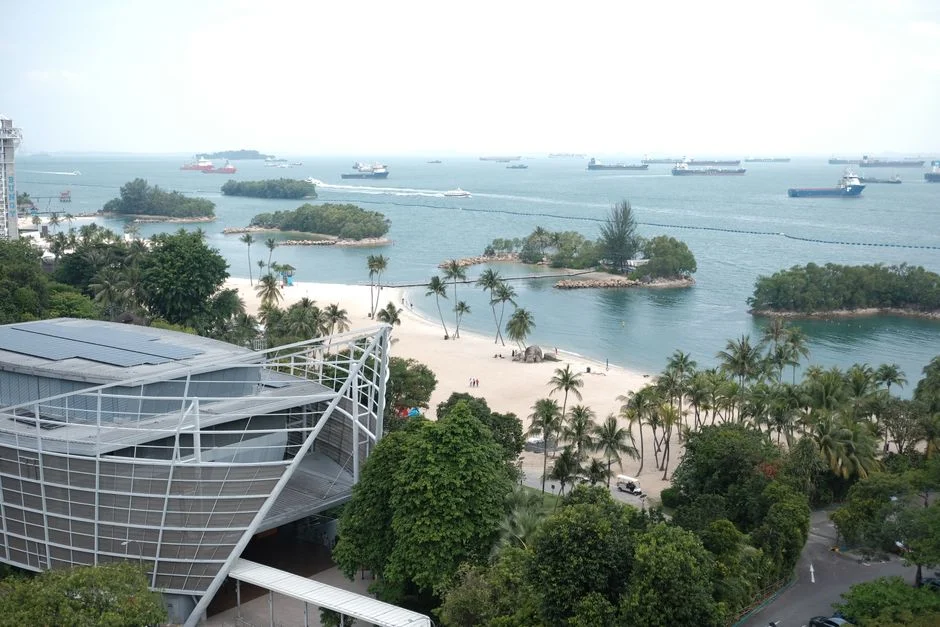
Singapore, as a premier global hub for trade and logistics, is particularly exposed to disruptions in the Indian Ocean trade lanes. A significant portion of the city-state’s imports and exports passes through the waters near Oman and India. Any prolonged instability in this region threatens to slow down the turnover of containers at the Port of Singapore, affecting turnaround times and berth availability.
Local shipping lines and freight forwarders are assessing the need for contingency plans. These may include securing additional vessel capacity or negotiating longer-term contracts to lock in rates before further inflation sets in. The resilience of Singapore’s supply chain will be tested as companies balance the cost of speed against the cost of certainty.
Risk Management for Local Businesses
Businesses in Singapore must evaluate their exposure to maritime disruptions. Companies with heavy reliance on imports from India or transits through the Omani coast should review their inventory buffers. Holding more stock may tie up working capital but can mitigate the risk of stockouts caused by delayed shipments.
Furthermore, firms should engage with their logistics partners to understand how war risk premiums are being calculated and allocated. Transparency in these costs is crucial for maintaining accurate pricing strategies. Proactive communication with suppliers and customers can help manage expectations and maintain trust during periods of heightened uncertainty.
Geopolitical Tensions and Diplomatic Responses
India’s strong wording in its condemnation reflects a growing assertiveness in its foreign policy, particularly concerning its maritime interests. The statement underscores New Delhi’s determination to protect its economic lifelines, which are increasingly vital for its growing economy. This diplomatic stance may influence how other regional powers respond to the incident and coordinate security efforts.
Oman, known for its role as a mediator in regional conflicts, faces the challenge of stabilizing the situation while maintaining its neutrality. The Sultanate’s ability to facilitate dialogue between conflicting parties will be crucial in preventing the escalation of tensions. Investors will watch for any joint statements or security agreements that emerge from Muscat.
The incident also highlights the vulnerability of global trade routes to localized geopolitical shocks. As nations compete for influence in the Indo-Pacific, the security of sea lanes becomes a shared concern. International cooperation, particularly through naval patrols and intelligence sharing, will be essential to restoring confidence in the region’s maritime stability.
Investor Perspective: Navigating the Uncertainty
For investors, the attack on the Indian-flagged vessel presents both risks and opportunities. Shipping stocks may see a short-term boost due to increased demand for vessel capacity and higher freight rates. However, this gain could be offset by broader market anxiety if the conflict expands or if oil prices spike significantly.
Energy markets are also sensitive to developments in the region. Oman is a key player in the global oil and gas sector, and any disruption to its production or export facilities could lead to volatility in crude prices. Higher energy costs would impact transportation, manufacturing, and consumer spending globally, influencing central bank monetary policy decisions.
Diversification remains a key strategy for investors facing geopolitical risks. Portfolios with exposure to multiple regions and sectors may be better positioned to weather the storm. Monitoring economic indicators from India, Oman, and Singapore will provide valuable insights into the evolving economic landscape and potential investment opportunities.
Long-Term Economic Consequences
If the tensions in the region persist, the long-term economic consequences could be profound. Higher transportation costs may lead to sustained inflationary pressure, eroding consumer purchasing power. Businesses may also reconsider their supply chain strategies, potentially leading to a shift towards near-shoring or regionalization of production.
The incident could also accelerate investments in maritime security technology. Governments and private companies may increase spending on satellite monitoring, autonomous vessels, and advanced radar systems to enhance situational awareness. This technological upgrade could create new market opportunities for defense and logistics technology firms.
Moreover, the event may prompt a re-evaluation of trade agreements and economic partnerships. Countries may seek to strengthen ties with reliable trading partners to reduce dependency on volatile regions. This shift could reshape global trade flows and influence the economic strategies of nations in the Indo-Pacific region.
What to Watch Next
Market participants should closely monitor the movement of freight rates and insurance premiums in the coming weeks. Any further attacks or diplomatic breakthroughs could quickly alter the economic outlook. The response from regional navies, including the Indian Navy and the Omani Royal Navy, will also be a key indicator of the situation’s stability.
Investors should also keep an eye on oil prices and the performance of shipping stocks. These assets will likely remain volatile until a clearer picture of the geopolitical landscape emerges. Regular updates from financial news sources and economic reports will be essential for making informed investment decisions.
The next critical development will be the outcome of any diplomatic negotiations initiated by Oman or involving India. A resolution that restores confidence in the safety of the shipping lanes would provide relief to markets. Conversely, a lack of progress could lead to prolonged uncertainty, necessitating continued caution and strategic planning for businesses and investors alike.
See Also
- Nigeria’s Classroom Crisis Triggers Hidden Economic Cost
- America's WHO Exit Creates Power Vacuum — China Is Stepping In
The response from regional navies, including the Indian Navy and the Omani Royal Navy, will also be a key indicator of the situation’s stability. Investors will watch for any joint statements or security agreements that emerge from Muscat.