Singapore’s fuel supply remains remarkably stable despite escalating tensions in the Gulf region, the government confirmed this week. This assurance comes as global oil markets experience volatility driven by geopolitical friction and shifting demand patterns. The stability is a critical buffer for Singapore’s economy, which relies heavily on imported energy.
Government Assurance on Supply Chains
The Ministry of Trade and Industry (MTI) has moved quickly to calm market anxieties. Officials stated that existing contracts and diversified sourcing strategies are shielding local consumers from immediate price shocks. This proactive communication aims to prevent speculative buying in the retail sector.
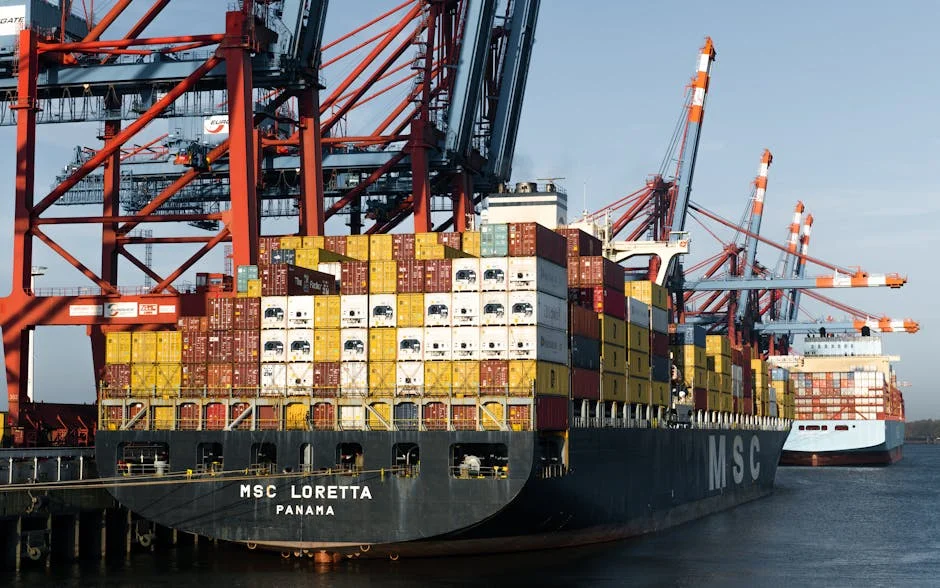
Singapore imports the majority of its crude oil and refined products from the Middle East. Any disruption in the Persian Gulf can ripple through the global supply chain within days. The government’s confidence stems from robust strategic reserves and long-term agreements with major producers.
Business leaders have welcomed the clarity. Uncertainty in energy costs can freeze capital expenditure across multiple sectors. By confirming stability, the state provides a predictable environment for corporate planning.
Market Reaction and Investor Sentiment


Financial markets in Singapore have reacted with cautious optimism. The Straits Times Index showed minimal fluctuation in the energy sector following the announcement. Investors are closely monitoring Brent crude prices for any sudden spikes that could erode profit margins.
Analysts note that the current stability is not guaranteed indefinitely. Global oil prices are sensitive to unexpected events in key producing regions. A sudden closure of the Strait of Hormuz could change the calculus overnight. Investors are advised to hedge against potential volatility in the coming quarters.
The stability in fuel prices supports the broader economic outlook. Lower energy costs translate to reduced operational expenses for businesses. This helps maintain competitiveness in a crowded regional market.
Impact on Local Businesses
For Singaporean businesses, stable fuel prices are a lifeline. Logistics companies, which form the backbone of the island’s trade hub status, are particularly sensitive to diesel costs. A surge in fuel prices would directly impact freight rates and consumer goods pricing.
Manufacturing firms also benefit from predictable energy inputs. The petrochemical industry, a key export sector, relies on stable crude prices to maintain profit margins. Volatility can disrupt production schedules and affect delivery timelines for global clients.
Small and medium enterprises (SMEs) are feeling the effects of the stability. Many SMEs operate on thin margins, making them vulnerable to sudden cost increases. The current calm allows them to plan budgets with greater accuracy.
Logistics and Transport Sector
The transport sector is a primary consumer of diesel in Singapore. Bus operators and logistics firms have seen their costs remain relatively flat. This stability helps keep public transport fares and delivery charges competitive.
However, businesses are not complacent. They are monitoring global trends closely. Any sign of prolonged tension in the Gulf could lead to a gradual increase in prices. Companies are preparing contingency plans to mitigate potential future shocks.
Consumer Prices and Inflation
Fuel prices are a key component of Singapore’s Consumer Price Index (CPI). Stable fuel costs help keep overall inflation in check. This is crucial for maintaining the purchasing power of households.
The government’s decision to manage fuel subsidies strategically plays a role. By adjusting subsidies based on global prices, the state can smooth out volatility for consumers. This approach has been effective in previous market disruptions.
Households are feeling the benefit. Commuting costs have not seen a sharp rise. This helps families manage their monthly budgets, especially as other cost-of-living pressures persist.
Strategic Reserves and Diversification
Singapore’s energy security strategy is built on diversification. The nation does not rely on a single source for its fuel imports. This reduces the risk of a single point of failure in the supply chain.
The Strategic Petroleum Reserve is another key tool. Singapore holds enough crude oil to last for several months in case of a disruption. This buffer provides time to adjust to changing market conditions.
Long-term contracts with major oil producers also provide stability. These agreements often include price stabilization clauses. They help lock in prices for a certain period, reducing exposure to short-term volatility.
Global Context and Regional Dynamics
The Gulf region remains a focal point for global oil markets. Political tensions can quickly translate into price fluctuations. The recent assurances from Singapore’s government reflect a broader trend of resilience in Asian energy markets.
Other regional economies are also monitoring the situation. Malaysia and Indonesia have similar dependencies on Gulf oil. Their responses will influence regional trade dynamics.
Global demand for oil is also a factor. As major economies like the US and China adjust their consumption patterns, the price dynamics shift. Singapore must navigate these global trends while maintaining local stability.
What to Watch Next
Investors and businesses should monitor the next quarterly report on Singapore’s fuel imports. This data will provide insights into the effectiveness of current strategies. Any changes in import volumes or prices will signal shifts in the market.
Geopolitical developments in the Gulf will remain a key driver. Watch for announcements from major oil producers like Saudi Arabia and the UAE. Their production decisions can impact global supply and prices.
The government’s upcoming budget speech will also be crucial. Any adjustments to fuel subsidies or energy taxes will directly affect consumers and businesses. Staying informed on these developments is essential for strategic planning.
See Also
- Yashasvi Jaiswal Shakes Up Indian Cricket Market
- Governo Faces Tough Questions in Parliament — Economic Policies Under Scrutiny