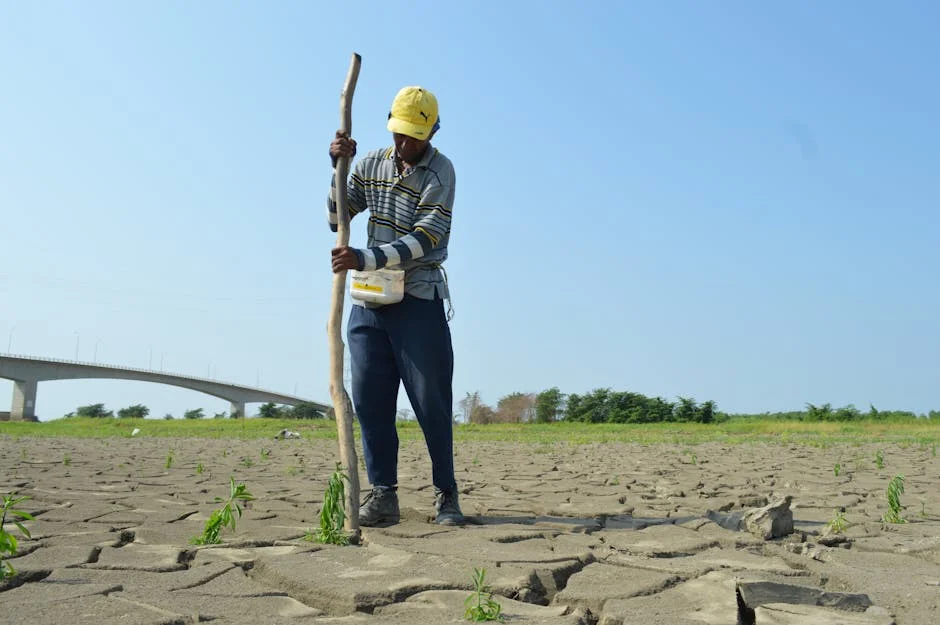
The Brazilian government is demanding urgent measures to combat inflation which has spiked to 8% this month, significantly affecting consumers and businesses alike. This surge comes as the Central Bank of Brazil struggles to maintain control over rising prices, leading to urgent calls for intervention from both the public and private sectors.
Inflation Affects Daily Life in Brazil
Data from Brazil's National Institute of Geography and Statistics (IBGE) shows that food prices have risen by 12% since the beginning of the year. This dramatic jump in inflation is causing increased hardship for families, leading to protests in major cities like Rio de Janeiro and São Paulo.
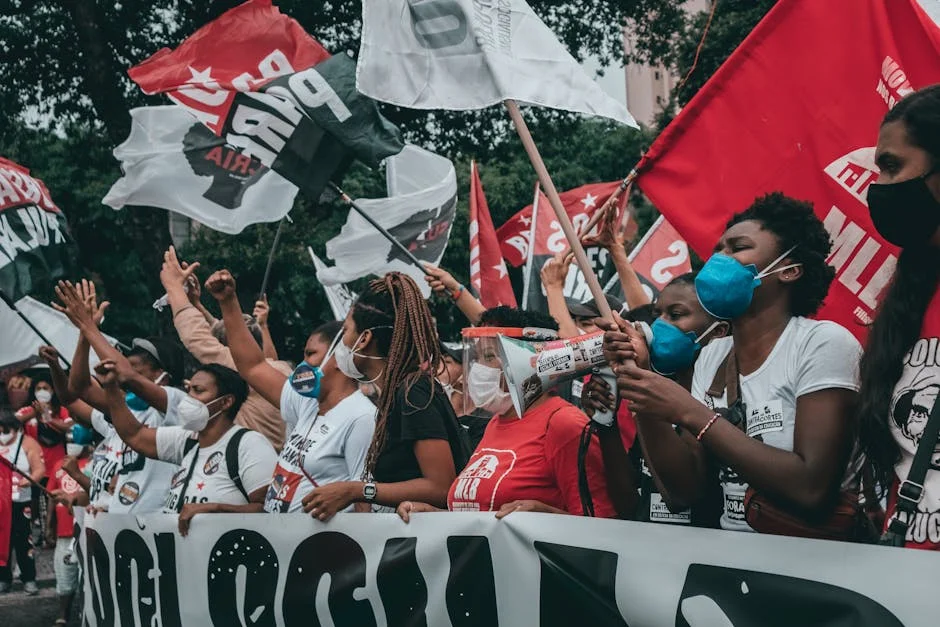
“We need immediate action to relieve the burden on our citizens,” stated Minister of Economy Fernando Haddad. The rising cost of living is not just a concern for households; it has significant implications for businesses, forcing many to reconsider pricing strategies and operations.
Market Reaction to Inflation Surge


Financial markets have reacted negatively to the inflation news. The Bovespa Index dropped by 3% following the announcement, reflecting investor fears about prolonged economic instability. Analysts warn that continued inflation could lead to higher interest rates, further squeezing businesses already struggling with supply chain issues.
Investors are now re-evaluating their portfolios, particularly in sectors most impacted by inflation, such as consumer goods and retail. The uncertainty surrounding fiscal policy changes could influence foreign investment in Brazil, which has already seen a decline of 15% this year.
Government's Response Plan
In response to the crisis, the government is looking at potential subsidies for essential goods and revising taxation policies to ease the pressure on lower-income families. There is also discussion about increasing investments in local food production to combat rising import costs.
Minister Haddad confirmed that a new economic plan will be presented by the end of the month, aimed at stabilising prices and restoring confidence among investors. The government hopes these measures will not only address short-term inflation but also lay the groundwork for sustainable economic growth.
International Implications of Brazil's Economic Strain
This situation also has ramifications beyond Brazilian borders. As one of the largest economies in Latin America, Brazil's economic health is linked to the performance of neighbouring countries. Investors across the region are watching closely, as any significant economic downturn in Brazil could trigger a ripple effect throughout Latin America.
Currency fluctuations are also a concern; the Brazilian real has weakened against the US dollar in recent weeks, causing further inflationary pressures due to the increased cost of imports. The central bank faces a challenging task ahead as it balances between curbing inflation and supporting economic growth.
What to Watch for Next
As the Brazilian government prepares to unveil its economic plan, businesses and investors alike are gearing up for a volatile period ahead. Key dates to watch include the scheduled meeting of the Central Bank on March 15, which will determine interest rates in light of the rising inflation. Investors will also be keen to scrutinise the government's approach to foreign investment and market regulations in the coming weeks.
The direct consequences of these developments will likely shape both short-term business strategies and long-term investment decisions, making it imperative for stakeholders to stay informed as the situation evolves.
See Also
- Linsey Smith Triggers New Zealand Collapse with Three Wickets in Four Balls
- India-Vietnam Defence Deal Triggers Market Shifts
Investors across the region are watching closely, as any significant economic downturn in Brazil could trigger a ripple effect throughout Latin America.Currency fluctuations are also a concern; the Brazilian real has weakened against the US dollar in recent weeks, causing further inflationary pressures due to the increased cost of imports. There is also discussion about increasing investments in local food production to combat rising import costs.Minister Haddad confirmed that a new economic plan will be presented by the end of the month, aimed at stabilising prices and restoring confidence among investors.