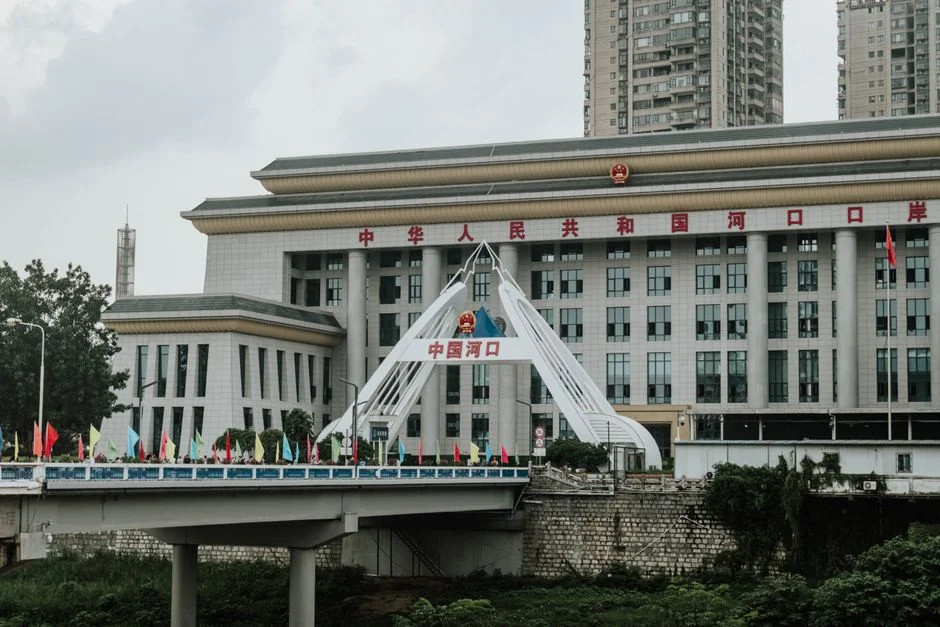
China's economic growth has slowed to its lowest pace in years, with the GDP increasing by just 4.3%, falling below the official target range. This unexpected downturn has sparked concerns across global markets, which are already grappling with uncertainties due to geopolitical tensions and trade disruptions. The slowdown reflects broader challenges within China's economic model and signals potential ripple effects on regional economies, including Singapore.
China's Growth: The Immediate Facts
The announcement of China's slower GDP growth comes amid mounting pressure from both domestic challenges and international factors. The official target was missed, with growth landing at 4.3%, a figure that surprised many economists and analysts who had anticipated a more robust recovery post-pandemic. This deceleration is attributed to a range of issues, including a cooling property market, regulatory crackdowns on various sectors, and ongoing trade tensions.

Compounding these issues, China's trade gap is reportedly narrowing, as exports face headwinds from waning global demand and supply chain disruptions. This narrowing trade gap adds another layer of complexity to China's economic landscape, which has traditionally relied on strong export performance to bolster growth.
Historical Context and Background


Historically, China has been one of the world's fastest-growing economies, consistently reporting double-digit growth rates until recent years. However, as the country transitions from an investment-led growth model to one driven by consumer spending, its economy has naturally begun to slow. This transition has been further complicated by the global economic climate, marked by trade wars and the lingering impacts of the COVID-19 pandemic.
China's economic policies have also evolved, with increased regulation in sectors such as technology, real estate, and education, aimed at addressing systemic risks and promoting sustainable growth. These regulatory measures, although necessary for long-term stability, have introduced short-term challenges that are now being reflected in the growth figures.
Why This Matters Globally and Regionally
The implications of China’s slowing growth are significant, particularly for countries and businesses that are heavily reliant on Chinese demand. As China represents a substantial portion of global trade, any slowdown in its economy can have far-reaching effects on international markets, including commodity prices, manufacturing supply chains, and foreign investments.
For Southeast Asian economies, including Singapore, the repercussions could be substantial. Singapore, with its open economy, is closely tied to the performance of its Chinese counterpart. Slower growth in China could dampen Singapore's export markets and investment inflows, potentially impacting GDP growth rates and investor confidence in the region.
Key Players and Institutions Involved
The Chinese government and its economic arms, such as the Ministry of Commerce and the People’s Bank of China, play pivotal roles in shaping economic policy responses to these growth challenges. Their strategies in managing both domestic economic reforms and international trade relations will be crucial in determining China's economic trajectory.
Internationally, financial institutions such as the International Monetary Fund (IMF) and the World Bank are closely monitoring China’s economic performance. Their assessments and forecasts will provide critical insights into potential global economic adjustments and policy shifts needed to adapt to the changing dynamics.
Reactions from Stakeholders
Market analysts and investors have expressed concern over the implications of China’s economic slowdown. Many have started reassessing their exposure to Chinese markets, re-evaluating risk profiles, and exploring diversification strategies to mitigate potential losses. This sentiment is echoed by business leaders who rely on the Chinese market, as they brace for potential impacts on their operations and profitability.
Economists argue that while the slowdown presents challenges, it also offers opportunities for countries to recalibrate their economic strategies and reduce over-reliance on Chinese markets. There is a growing call for regional cooperation to enhance economic resilience and explore alternative growth drivers.
Broader Implications and Regional Trends
China’s slowing economic growth is part of a broader trend of deceleration among major economies as they transition to more sustainable growth models. This shift underscores the need for adjustments in global trade and investment strategies, highlighting the importance of economic diversification and innovation.
In the context of Southeast Asia, the slowdown offers a chance to strengthen intra-regional trade and investment links, reducing dependency on external markets. Regional initiatives such as the ASEAN Economic Community (AEC) could play a key role in fostering economic integration and stability against external shocks.
What Comes Next?
Looking ahead, the trajectory of China’s economic growth will be closely watched by global stakeholders. Key indicators to monitor include the Chinese government's upcoming economic policies, adjustments in trade agreements, and shifts in consumer demand patterns. These factors will be crucial in shaping investor sentiment and economic forecasts.
For Singapore and other regional economies, staying adaptable and proactive in response to China’s economic developments will be essential. The focus will likely be on seeking new growth avenues, enhancing technological capabilities, and fostering sustainable economic practices to navigate the evolving global economic landscape.
In the coming months, the decisions made by China’s policymakers and the reactions of global markets will set the tone for economic developments in 2024 and beyond. As the world continues to grapple with economic uncertainties, the strategic responses of countries like Singapore will determine their future growth trajectories and economic resilience.
See Also
- Zelensky Slams Former Chief of Staff — Markets React
- Elephant Attack in Malappuram Sparks Concerns Over Plantation Safety