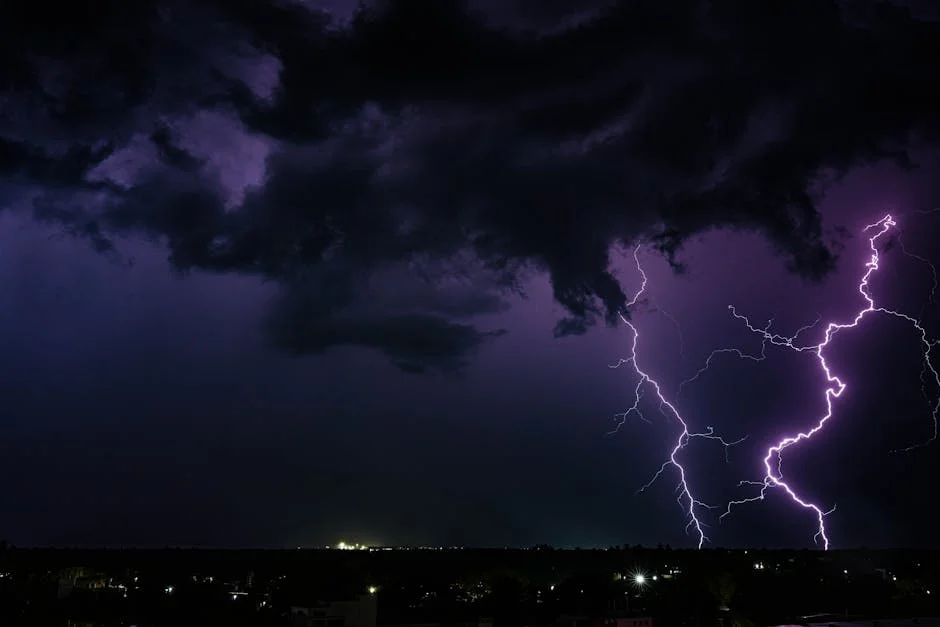
India has officially introduced weather futures, a financial innovation that allows businesses to trade rainfall patterns as if they were oil or gold. This launch marks the first time the Mumbai monsoon can be hedged directly on the commodity exchanges. The move transforms meteorological data into a liquid financial asset for Indian corporations.
Traders can now buy or sell contracts based on the deviation of rainfall in key Indian cities. This mechanism provides a direct tool for risk management in an economy heavily dependent on seasonal climate variations. The debut signals a maturing financial market that is looking beyond traditional commodities.
Mumbai Rain Becomes a Financial Instrument
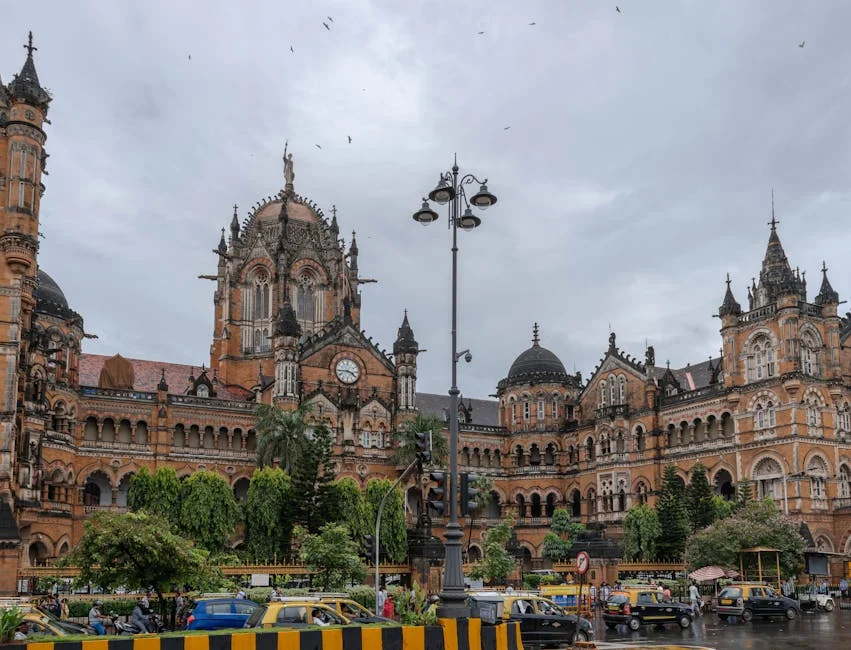
The core of this new market is the ability to price uncertainty. Mumbai, the financial capital of India, experiences dramatic swings in rainfall that directly impact logistics, real estate, and consumer spending. By creating futures contracts for this specific weather pattern, the market offers a tailored hedge for local businesses. Companies can now lock in prices or values based on expected precipitation levels.
These contracts are typically structured around specific time windows, such as the peak monsoon months of July and September. If the actual rainfall deviates from the forecasted amount, the contract settles based on that difference. This creates a direct financial link between the sky above Mumbai and the balance sheets of firms operating on the ground.
The introduction of these instruments addresses a long-standing gap in the Indian risk management toolkit. Previously, companies relied on insurance or broad commodity hedges, which often failed to capture the nuance of local weather impacts. Now, a textile manufacturer in Surat or a logistics firm in Mumbai can target their specific exposure. This granularity is crucial for an economy where weather remains a primary driver of volatility.
Implications for Corporate Hedging Strategies
For businesses, this development offers a new layer of financial engineering. A logistics company can buy futures that pay out if heavy rains delay port operations in Mumbai. Conversely, a retail chain might sell futures if they expect dry weather to boost outdoor consumer activity. This allows for more precise cost control and revenue stabilization.
The agriculture sector stands to benefit significantly from this innovation. Farmers and agribusinesses can hedge against droughts or excessive rainfall that affect crop yields. By trading weather futures, they can secure input costs or lock in selling prices before the harvest. This reduces the cash flow uncertainty that has long plagued the Indian agricultural value chain.
Insurance Industry Disruption
The insurance sector faces both competition and opportunity from these new futures. Traditional weather insurance policies often involve high premiums and complex claim processes. Futures trading offers a more transparent and liquid alternative for large corporate clients. Insurers may need to adjust their pricing models to remain competitive against the new financial instruments.
However, insurance companies can also use these futures to hedge their own exposure. By taking positions in the weather futures market, insurers can offset potential payouts from their policyholders. This creates a symbiotic relationship where both financial sectors benefit from increased market depth and liquidity.
Investor Opportunities and Market Dynamics
Investors now have access to a new asset class that is largely uncorrelated with traditional equity and bond markets. Weather futures can provide diversification benefits for a diversified portfolio. When stock markets fluctuate due to geopolitical tensions, weather patterns in Mumbai may remain independent. This independence offers a unique hedge for sophisticated investors.
The liquidity of these markets will be a key factor for early adopters. As more participants enter the market, the bid-ask spreads should narrow, reducing transaction costs. Institutional investors, such as mutual funds and pension funds, are likely to be the first to allocate capital to these instruments. Their involvement will help stabilize prices and provide deeper markets for smaller corporate hedgers.
Speculators will also play a role in driving volume and price discovery. Traders who can accurately forecast rainfall deviations can profit from the difference between the forecast and the actual outcome. This speculative activity adds depth to the market, making it easier for hedgers to enter and exit positions without causing large price swings.
Economic Impact on the Indian Economy
At a macroeconomic level, weather futures can help stabilize the Indian economy by reducing the volatility of key sectors. Agriculture contributes significantly to India's GDP and employs a large portion of the workforce. By allowing farmers and agribusinesses to hedge weather risks, these futures can smooth out income flows and boost rural consumption. This stability can have a multiplier effect on the broader economy.
The financial sector itself benefits from the introduction of new products. Exchanges gain revenue from trading fees, while banks and brokers earn commissions from client activity. This creates jobs and drives innovation in financial services. The success of weather futures could pave the way for other niche derivatives, further deepening India's capital markets.
Moreover, this innovation enhances India's attractiveness to foreign investors. A mature derivatives market signals sophistication and transparency to global capital. Foreign institutional investors are more likely to allocate funds to a market where risks can be precisely measured and hedged. This can lead to increased foreign direct investment and portfolio inflows.
Challenges and Risks for Market Participants
Despite the potential benefits, weather futures are not without risks. The primary challenge is basis risk, which occurs when the weather in the specific location of the business does not perfectly match the weather index used in the futures contract. For example, a company in North Mumbai might experience different rainfall than the city-wide average. This mismatch can reduce the effectiveness of the hedge.
Data accuracy is another critical factor. The value of the futures contract depends on the reliability of the rainfall data. Disputes over data sources or measurement methods can lead to uncertainty and reduce confidence in the market. Establishing a trusted and transparent data provider is essential for the long-term success of these instruments.
Market participants also need to understand the specific mechanics of the contracts. Weather derivatives can be complex, requiring a good grasp of meteorological data and financial pricing models. Education and awareness campaigns will be necessary to encourage widespread adoption among corporate treasurers and individual investors.
Regulatory Framework and Market Oversight
The regulatory body overseeing these futures, likely the Securities and Exchange Board of India (SEBI) or the Commodity Futures Trading Corporation, plays a crucial role in ensuring market integrity. Clear rules regarding contract specifications, settlement procedures, and data verification are essential to prevent disputes and build trust. Robust oversight can protect both hedgers and speculators from market manipulation.
Transparency in reporting and data dissemination is also vital. Market participants need access to real-time and historical rainfall data to make informed trading decisions. The regulatory framework should mandate the publication of key metrics to ensure that all players have equal access to information. This transparency will enhance the efficiency of the market.
As the market matures, regulators may need to introduce new instruments or adjust existing contracts to meet the evolving needs of participants. Continuous monitoring and feedback from market users will help refine the product offerings and improve the overall trading experience.
Future Outlook and Next Steps
The success of weather futures in Mumbai will likely encourage the expansion of these instruments to other cities and regions in India. Cities with distinct weather patterns, such as Chennai or Delhi, could introduce their own specific contracts. This expansion would create a more comprehensive weather risk management market for the country.
Investors and businesses should monitor the initial trading volumes and price movements to assess the market's depth and liquidity. The first few months of trading will provide valuable insights into how well the contracts perform under different weather scenarios. This data will help participants refine their strategies and better understand the risks involved.
Watch for announcements from major Indian corporations regarding their initial hedging activities. Early adopters will set the tone for the market, and their experiences will influence the decisions of other firms. The coming quarter will be critical in determining whether weather futures become a staple tool for Indian businesses or remain a niche product.
See Also
- Cape Cobra Spotted in Pool Before Children's Swim - Animal Welfare Society Steps In
- Shehbaz Sharif's Crown of Thorns — Pakistan's Economy in Crisis
Economic Impact on the Indian Economy At a macroeconomic level, weather futures can help stabilize the Indian economy by reducing the volatility of key sectors. Agriculture contributes significantly to India's GDP and employs a large portion of the workforce.
What is the latest news about india launches weather futures mumbai rain is now a tradeable asset?
Why does this matter for economy-business?
What are the key facts about india launches weather futures mumbai rain is now a tradeable asset?