Malawi is fundamentally reshaping its economic landscape through a strategic expansion of its national electricity grid, a move that is directly translating into tangible business growth and investor confidence. The World Bank has confirmed that this infrastructure push is not merely about lighting up homes in Lilongwe and Blantyre; it is about creating a reliable power supply that serves as the backbone for small and medium-sized enterprises across the country.
This development presents a compelling case study for markets in emerging economies, demonstrating how targeted infrastructure investment can unlock immediate commercial value. For investors and businesses watching the African continent, Malawi’s progress offers a clear signal that energy stability is the primary driver of productivity and export potential.
Infrastructure as an Economic Catalyst
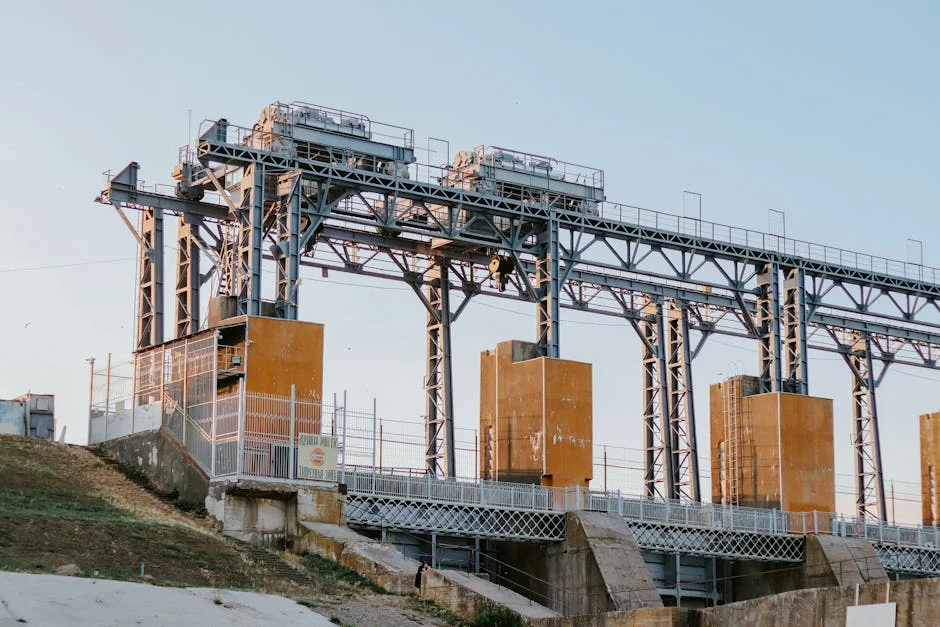
The expansion of electricity access in Malawi is acting as a direct multiplier for economic activity. When power reaches rural and semi-urban centers, businesses are no longer constrained by the erratic supply that has historically plagued the sector. This reliability allows firms to extend operating hours, reduce reliance on expensive diesel generators, and increase output consistency.
Data from recent assessments indicates that households with consistent access to electricity are significantly more likely to start a business compared to those without. This correlation is driving a surge in entrepreneurial activity, particularly in the manufacturing and services sectors. The World Bank’s involvement provides the necessary capital and technical expertise to ensure that the grid expansion is both sustainable and scalable.
For the broader economy, this means a shift from subsistence living to market participation. Smallholder farmers can now use electric mills to process crops, adding value before selling to urban markets. This vertical integration increases profit margins and stabilizes income streams, which in turn boosts local consumption and drives demand for goods and services.
Impact on Small and Medium Enterprises

Small and medium-sized enterprises (SMEs) are the primary beneficiaries of this energy transition. In cities like Zomba and Mzuzu, shop owners and artisans are leveraging stable power to expand their customer base and improve product quality. The reduction in energy costs allows these businesses to remain competitive, both locally and in regional export markets.
The ability to power refrigeration units, sewing machines, and digital devices has transformed traditional trade. Retailers can now stock perishable goods for longer periods, reducing waste and increasing inventory turnover. This operational efficiency is critical for SMEs, which often operate on thin margins and require every advantage to survive and grow in a competitive environment.
Investors are taking note of this trend, recognizing that a robust SME sector is a key indicator of economic resilience. The growth in business registrations and the expansion of existing firms suggest that the market is responding positively to improved infrastructure. This creates a virtuous cycle where increased economic activity generates more tax revenue, which can be reinvested into further infrastructure improvements.
Commercial Real Estate and Retail Growth
The demand for reliable power is also driving growth in the commercial real estate sector. Developers are increasingly marketing properties with guaranteed electricity supply as a key selling point. This is particularly evident in urban centers where office spaces and retail outlets are competing for tenants who value operational continuity.
Retail chains are expanding their footprint into areas that were previously considered too risky due to power instability. This expansion brings jobs and increases the availability of consumer goods, further stimulating the local economy. The integration of modern retail formats into traditional markets is changing consumer behavior and raising expectations for service quality.
Investor Confidence and Market Reaction
International investors are viewing Malawi’s energy sector reforms as a positive signal for broader economic stability. The World Bank’s continued support reduces perceived risks, making it easier for foreign direct investment to flow into the country. This is crucial for a nation that relies heavily on external financing to fund its development projects.
Market analysts point out that energy security is often the first thing investors look for when evaluating emerging markets. By addressing this fundamental need, Malawi is positioning itself as an attractive destination for capital seeking higher returns. This shift in perception can lead to increased portfolio investment and long-term strategic partnerships.
The financial sector is also responding to these changes. Banks are more willing to lend to businesses in power-rich areas, knowing that the risk of default due to operational disruptions is lower. This increased access to credit allows companies to invest in new equipment, hire more staff, and expand their market reach, further fueling economic growth.
Regional Competitiveness and Export Potential
Malawi’s efforts to improve electricity access are enhancing its competitiveness within the Southern African Development Community (SADC). Reliable power is essential for meeting the quality and timing requirements of regional buyers. This is particularly important for export-oriented industries such as tea, tobacco, and sugar, which are traditional pillars of the Malawian economy.
Improved energy infrastructure also supports the growth of non-traditional exports, such as processed foods and textiles. These sectors require consistent power to maintain production schedules and quality control standards. By expanding the grid, Malawi is diversifying its export base and reducing its dependence on a few key commodities.
This diversification is crucial for economic resilience, allowing the country to better withstand shocks in global commodity prices. It also creates new opportunities for local businesses to integrate into regional value chains, capturing more value from their products. This integration is key to moving from being a primary producer to becoming a manufacturing hub.
Social Impacts and Human Capital Development
Beyond the direct economic benefits, expanded electricity access is improving human capital, which is essential for long-term economic productivity. Students in electrified areas can study after sunset, leading to better educational outcomes and a more skilled workforce. This is a critical factor for attracting knowledge-intensive industries to the country.
Healthcare facilities are also benefiting from reliable power, allowing for better storage of vaccines and the use of modern medical equipment. This leads to a healthier workforce, which is more productive and absent from work less often. The social returns on energy investment are therefore substantial, contributing to overall economic stability.
Women and young people are particularly empowered by these changes. Electricity enables new forms of income generation, such as mobile phone charging services, tailoring, and small-scale manufacturing. This inclusivity ensures that the benefits of economic growth are widely shared, reducing inequality and fostering social cohesion.
Challenges and Future Prospects
Despite the progress, challenges remain. The cost of expanding the grid to remote areas is high, and maintaining the infrastructure requires ongoing investment and efficient management. Ensuring affordability for end-users is also critical to prevent energy poverty from resurfacing.
The government and the World Bank are working on innovative financing models to address these challenges. This includes public-private partnerships and targeted subsidies for vulnerable households. The success of these initiatives will determine the sustainability of the current growth trajectory.
Investors and businesses should monitor the implementation of these policies and the pace of grid expansion. The next few years will be critical in determining whether Malawi can sustain its momentum and attract continued investment. Keeping an eye on energy prices and reliability metrics will provide valuable insights into the country’s economic health.
Watch for the upcoming quarterly reports from the World Bank and Malawi’s Ministry of Energy, which will provide detailed updates on grid coverage, investment flows, and business registration trends. These data points will offer the clearest indicators of how the energy expansion is translating into economic gains.
See Also
- Residents in Springs Face New Gold Rush Threat Despite Crackdowns
- China's Lunar Mission to Far Side Sparks Tech Investment Surge