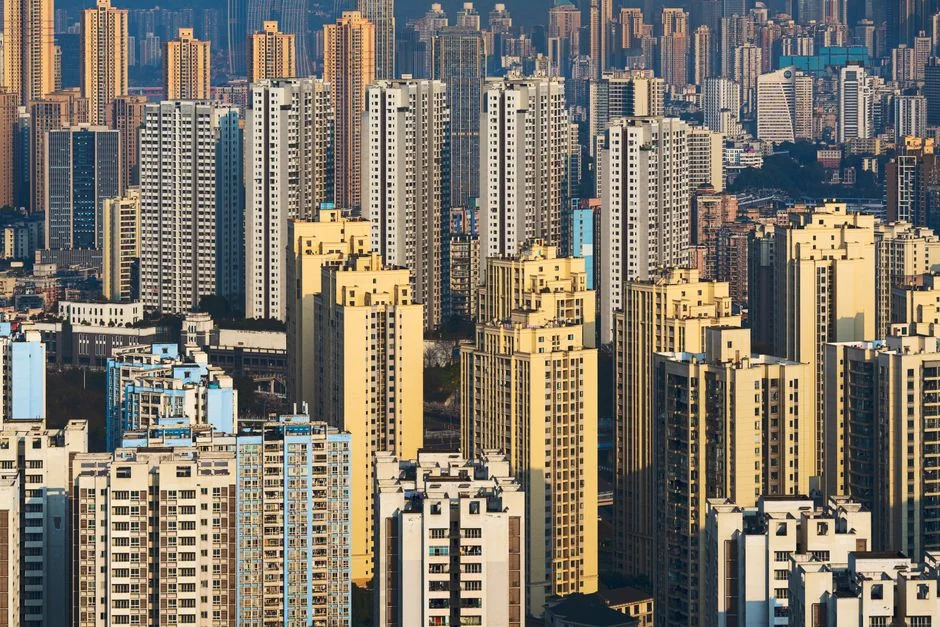
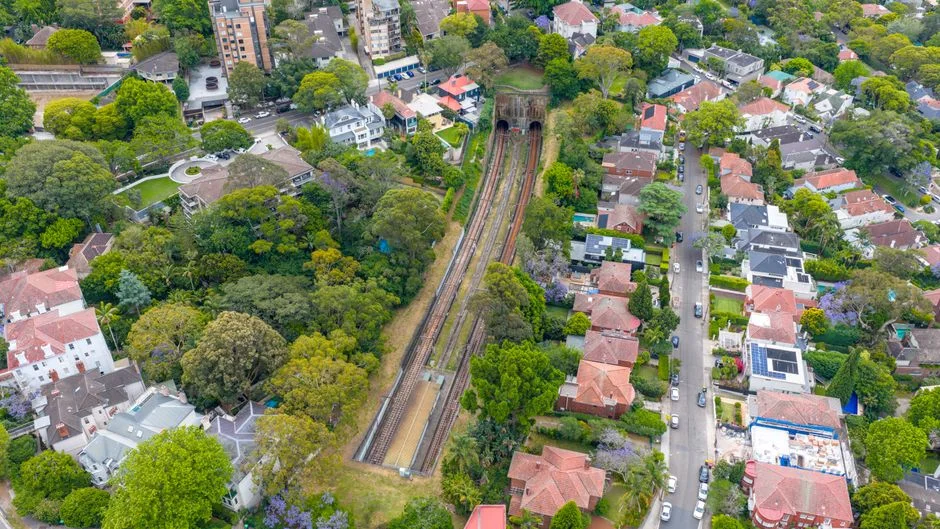
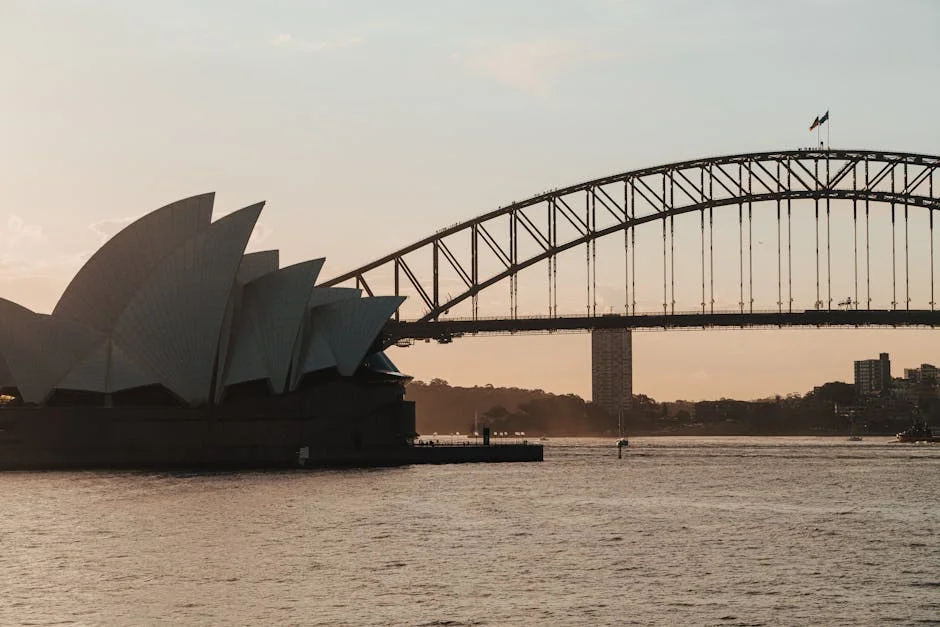
Australia's property market is poised for a significant downturn, with many analysts predicting a decline in property prices due to long-term policy issues rather than the recent budget adjustments. This shift is expected to impact both investors and the broader economy as housing remains a critical component of economic stability.
Housing Market Decline Predicted
Recent forecasts suggest that property prices in Australia could experience a drop of up to 15% within the next year. The Reserve Bank of Australia (RBA) has noted that housing affordability concerns are reaching critical levels, with average home prices in cities like Sydney hovering around AUD 1.4 million.
The decline can be directly linked to decades of ineffective housing policies that have failed to address the underlying issues of supply shortages and rising living costs. Analysts argue that these long-term failures are now converging, triggering a market response that investors cannot ignore.
Investor Confidence Wavers


As property values continue to slide, investor confidence is taking a hit. Many are reassessing their portfolios, particularly in urban areas, where rental yields are decreasing. Investors have seen a 20% drop in rental yield in major cities over the past five years, pushing some to reconsider their strategies.
Residential property investors are particularly vulnerable, as the market's decline could lead to significant capital losses. With rental demand softening, property owners might face higher vacancy rates, further squeezing income from their investments.
Impact on Home Buyers and the Economy
For first-time home buyers, the potential decline in prices could provide an opportunity to enter the market. However, many remain cautious, as tightening credit conditions and rising interest rates complicate the purchasing landscape. The Australian Prudential Regulation Authority (APRA) recently confirmed that it would maintain strict lending standards, making it more challenging for buyers to secure financing.
This situation affects the economy at large; a slowdown in the property market can lead to reduced consumer spending and lower confidence levels. Property-related industries, including construction and real estate services, may face declining revenues, leading to potential job losses.
Political and Policy Implications
Political leaders are now under pressure to implement reforms to stabilise the housing market. The upcoming federal budget may propose measures to increase the housing supply, such as tax incentives for developers and changes to zoning regulations.
Currently, the Australian government is exploring ways to enhance housing affordability, but critics argue that quick fixes are not sufficient to address the systemic issues at play. Long-standing failures in urban planning and housing supply must be tackled comprehensively for any meaningful change.
Future Outlook: What to Watch
Looking ahead, property investors and home buyers should focus on upcoming government policy announcements and market data releases. With economic indicators suggesting a looming recession, the government will have to act decisively to restore confidence in the housing sector.
Investors should keep an eye on interest rate movements and the RBA's monetary policy decisions. Analysts believe that a robust response to the housing crisis could mitigate further declines and stabilise the market in the medium term. As the situation evolves, the focus will remain on the balance between managing policy failures and reviving economic growth.
See Also
- Zuma and Mbeki Fail to Oust Khampepe from TRC Commission
- Review Finds 250 Patients Need Repeat Bone Scans — Healthcare Costs Surge
With economic indicators suggesting a looming recession, the government will have to act decisively to restore confidence in the housing sector.Investors should keep an eye on interest rate movements and the RBA's monetary policy decisions. The upcoming federal budget may propose measures to increase the housing supply, such as tax incentives for developers and changes to zoning regulations.Currently, the Australian government is exploring ways to enhance housing affordability, but critics argue that quick fixes are not sufficient to address the systemic issues at play.