A Kurdish man, imprisoned for three decades, sent love poems to his wife during his time in captivity, highlighting the emotional toll of political imprisonment in the region. The case, which took place in Iraq, has drawn international attention and sparked renewed debate over human rights and justice for political prisoners. The man, identified as Ahmed Al-Khazali, was detained in 1993 during a period of heightened political instability in the country.
Imprisonment and Emotional Resilience
Al-Khazali, a former activist, was detained without trial for 30 years, a period that saw his wife, Layla, become a symbol of perseverance. Despite the isolation, he managed to send over 200 love poems to her, which were later discovered by a local journalist. The poems, written in Arabic and Kurdish, reveal his longing for freedom and his deep affection for his wife. Layla, who lives in Erbil, said the letters were a lifeline during the long years of separation.
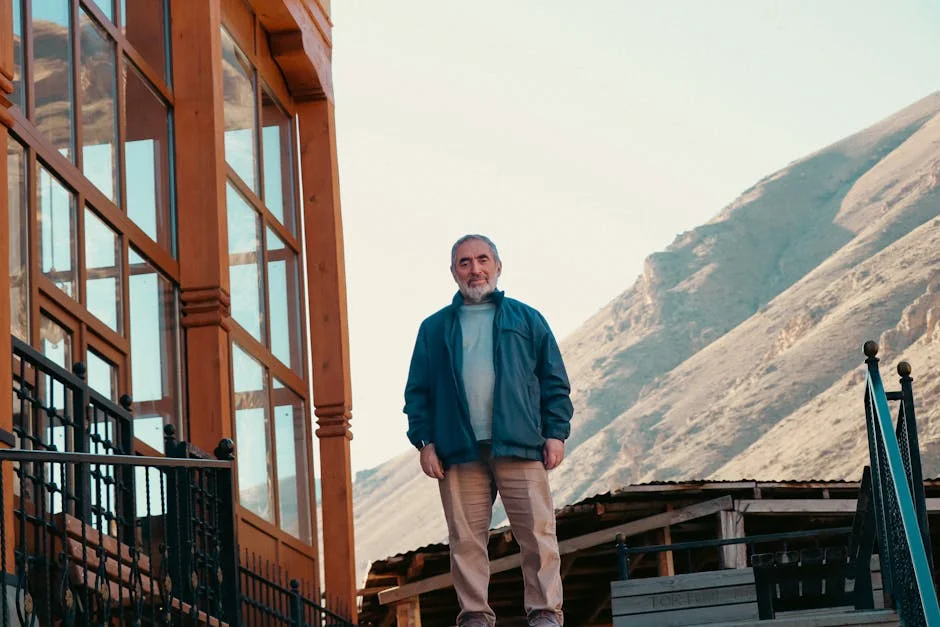
"These poems were the only way I knew he was still alive," she said. "They reminded me that love could survive even the harshest conditions." The case has drawn attention from human rights groups, who argue that the lack of due process in Al-Khazali's case highlights broader issues in Iraq's legal system. The Iraqi Ministry of Justice has yet to comment on the matter.
Impact on Public Perception and Legal Reforms

The story has reignited public discourse on the treatment of political prisoners in Iraq. Human rights organisation Amnesty International has called for a full investigation into Al-Khazali's case, citing the lack of transparency in his detention. The organisation also noted that over 1,500 political prisoners are still held in the country, many without formal charges.
"This case is a reminder of the human cost of political repression," said a spokesperson for Amnesty International. "It is time for the Iraqi government to address these systemic issues and ensure fair trials for all detainees." The case has also influenced recent calls for legal reforms, with some lawmakers proposing new legislation to protect the rights of political prisoners.
Broader Economic and Social Implications
While the case is primarily a human rights issue, it also reflects the broader instability in Iraq, which has long affected economic growth and investor confidence. The country's political climate has made it difficult for businesses to operate, with foreign investors often hesitant to commit capital. According to the World Bank, Iraq's GDP growth has averaged just 2.5% over the past decade, significantly below regional peers.
The imprisonment of activists like Al-Khazali has also contributed to a brain drain, as skilled professionals leave the country in search of stability. This exodus has further hindered economic development, with the International Monetary Fund (IMF) warning that Iraq's economy remains vulnerable to external shocks. The government has pledged to address these challenges, but progress has been slow.
The case has also sparked a cultural movement in Iraq, with poets and artists drawing inspiration from Al-Khazali's story. His poems have been published in local newspapers and shared widely on social media, highlighting the enduring power of art in times of adversity.
Looking Ahead: What Comes Next?
Al-Khazali's release, announced in early 2024, has been welcomed by many, but the broader issue of political detention in Iraq remains unresolved. The Iraqi government has pledged to review cases of long-term detainees, but the process is expected to be slow. Human rights groups are urging the government to take immediate steps to ensure due process for those still in custody.
Investors and businesses will be watching closely to see if the government follows through on its commitments. The stability of Iraq's political system will be a key factor in determining the country's economic future. As the country moves forward, the story of Al-Khazali and his love poems serves as a powerful reminder of the resilience of the human spirit in the face of adversity.
See Also
- Portable Slams Carter Efe Ahead of Celebrity Boxing Match — Stakes Rise in Entertainment Industry
- FC Porto Fans Demand Title After Taça de Portugal Exit
According to the World Bank, Iraq's GDP growth has averaged just 2.5% over the past decade, significantly below regional peers. His poems have been published in local newspapers and shared widely on social media, highlighting the enduring power of art in times of adversity.