Australia has forced the return of over 400 families linked to the Islamic State, triggering a financial and logistical crisis that is now costing taxpayers billions. The government in Canberra is bearing the brunt of this decision, with the Department of Home Affairs projecting that the total economic burden will exceed $4.5 billion over the next two decades. This sudden influx of returnees from the Middle East is reshaping domestic security spending and straining local resources in cities like Sydney and Melbourne.
The Financial Burden on Public Finances
The economic implications of repatriating these families are severe and immediate. The Australian government must now fund housing, healthcare, education, and security monitoring for hundreds of individuals who were previously considered foreign nationals. These costs are not merely administrative; they represent a direct drain on the national budget, forcing reallocations from other critical sectors such as infrastructure and technology investment. Taxpayers are increasingly vocal about the disparity between the cost of these returnees and the perceived benefit to national security.

Investors are closely watching how these expenditures affect the broader fiscal outlook. The projected $4.5 billion cost is equivalent to a significant portion of the annual defence budget, which could lead to increased government borrowing. This, in turn, may put upward pressure on interest rates, affecting mortgage holders and business loans across the country. The market reaction has been cautious, with analysts warning that sustained high spending on social security and defence could dampen economic growth in the medium term.
Direct Costs to the Department of Home Affairs
The Department of Home Affairs is the primary entity managing this crisis, and its budget has seen a sharp increase. The department must cover the costs of flights, temporary accommodation, and long-term housing subsidies. Additionally, there are significant legal costs associated with citizenship revocation cases and court battles. These legal proceedings are often lengthy and expensive, further inflating the overall financial impact. The government is also facing pressure to provide additional funding for social services to help integrate or monitor these families, adding another layer of complexity to the financial planning.
Businesses in the real estate and construction sectors may see a short-term boost due to the demand for housing. However, this benefit is likely to be offset by the broader economic strain. The need for specialized housing units and security infrastructure requires government contracts, which can create opportunities for specific firms but also introduces dependency on public spending. This dynamic can lead to volatility in the property market, particularly in areas where returnees are concentrated.
Market Reactions and Investor Sentiment

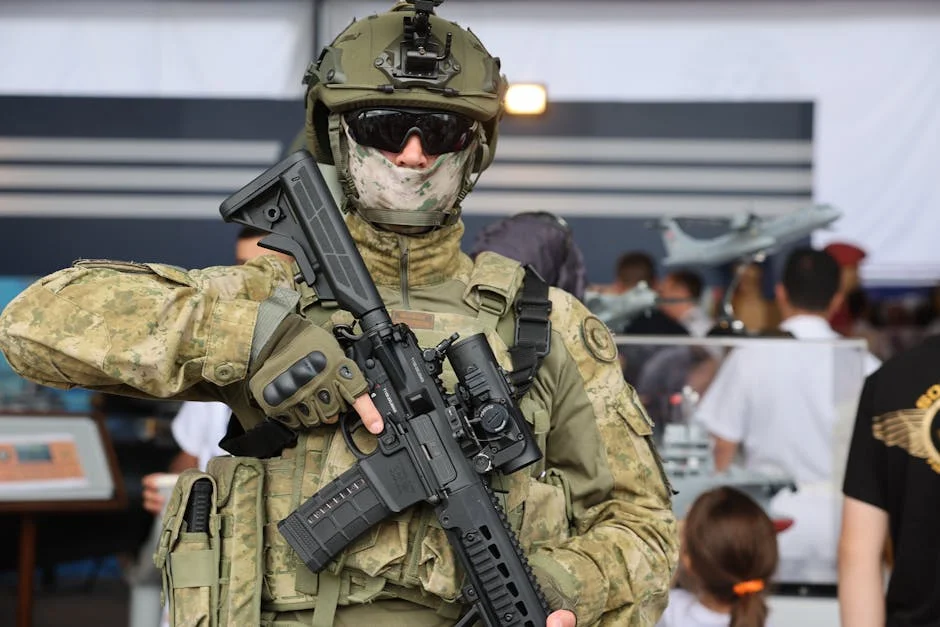
Financial markets in Sydney and Melbourne have reacted with mixed signals to the news. While the immediate impact on stock prices has been muted, there is growing concern among institutional investors about the long-term fiscal health of the country. The uncertainty surrounding the duration and intensity of the crisis makes it difficult for businesses to plan for the future. Companies in the defence and security sectors, however, have seen a surge in demand, with shares of firms like Defence Sciences and KBR rising on the back of new contracts.
The currency market has also felt the ripple effects. The Australian dollar has experienced slight volatility as investors reassess the country’s economic stability. A weaker currency can make imports more expensive, potentially leading to higher inflation. This inflationary pressure could force the Reserve Bank of Australia to adjust interest rates, which would have far-reaching consequences for consumers and businesses alike. Investors are advised to monitor these indicators closely, as they provide early signals of how the crisis is affecting the broader economy.
Foreign direct investment may also be influenced by the perception of political and social stability. While Australia remains a relatively safe haven, the ongoing debate over the returnees could deter some investors who are sensitive to social cohesion issues. This could slow down capital inflows, particularly in sectors that rely heavily on a stable social environment, such as tourism and education. The government’s ability to manage the crisis efficiently will be crucial in maintaining investor confidence.
Impact on Local Businesses and Communities
Local businesses in areas with high concentrations of returnees are facing unique challenges. Retailers and service providers are seeing changes in consumer behavior, with some customers adjusting their spending habits due to perceived security risks. This can lead to fluctuations in revenue, making it difficult for small businesses to maintain steady cash flows. The hospitality industry, in particular, has reported a decline in bookings in certain neighborhoods, affecting hotels, restaurants, and cafes.
Employment markets are also being affected. The need for security personnel, social workers, and healthcare professionals has increased, creating job opportunities in specific sectors. However, this demand is often concentrated in government-funded roles, which may not provide long-term career stability for private sector employees. Businesses that rely on a diverse workforce may face challenges in recruitment and retention, as employees may be influenced by the social and political climate. This can lead to higher turnover rates and increased training costs for employers.
Community organizations and non-profits are playing a critical role in managing the social impact of the crisis. These groups are receiving increased funding from the government to provide support services, such as language classes, cultural integration programs, and psychological counseling. While this funding helps to address immediate needs, it also creates a dependency on government grants, which can be unpredictable. Organizations that can diversify their revenue streams are better positioned to weather the economic uncertainties associated with the crisis.
Security Spending and Defence Industry
The return of IS-linked families has led to a significant increase in security spending. The government is investing heavily in intelligence gathering, surveillance, and physical security measures. This has created a boom for the defence industry, with companies like Thales Australia and BAE Systems securing lucrative contracts. These companies are benefiting from the increased demand for technology and infrastructure, which is driving growth in the sector. However, this growth is heavily dependent on government spending, which can be subject to political changes and budget cuts.
The defence industry is also facing challenges in scaling up operations to meet the increased demand. Supply chain disruptions and labor shortages are common issues that can affect the timely delivery of projects. Companies need to invest in capacity building and strategic partnerships to ensure they can capitalize on the opportunities presented by the crisis. This requires careful planning and financial management to avoid overextending resources. Investors in the defence sector should look for companies with strong balance sheets and diversified revenue streams.
Long-term security implications could lead to sustained high spending. If the returnees are perceived as a continuing threat, the government may need to maintain elevated levels of security expenditure for years. This could have a crowding-out effect on other areas of public spending, such as education and healthcare. The economic trade-offs are significant, and policymakers must balance the need for security with the broader economic goals of the country. This balancing act will be closely watched by investors and businesses alike.
Real Estate and Housing Market Dynamics
The housing market is another area feeling the impact of the returnee crisis. The need for temporary and long-term housing for the returnees has increased demand for rental properties in certain areas. This has led to a rise in rental prices, making it more expensive for local residents to find affordable housing. Property investors are seeing increased yields in these areas, but they are also facing higher vacancy rates in other parts of the country. This uneven distribution of demand creates challenges for property managers and developers.
Construction companies are also benefiting from the increased demand for housing. The government is investing in the construction of new housing units, particularly in suburbs with high concentrations of returnees. This has created jobs in the construction sector and boosted demand for building materials. However, the quality and location of these new housing units can affect their long-term value. Investors should carefully evaluate the specific locations and types of properties being developed to assess their potential for appreciation.
The social stigma associated with neighborhoods with high concentrations of returnees can also affect property values. Some buyers may be hesitant to purchase properties in these areas, leading to slower sales and lower prices. This can create a divide in the housing market, with some areas thriving while others struggle. Real estate agents and developers need to be aware of these social dynamics and adjust their strategies accordingly. Marketing and community engagement can play a crucial role in mitigating the negative perceptions and stabilizing property values.
Future Outlook and Economic Projections
The economic impact of the returnee crisis is expected to persist for several years. The government will need to continue investing in security, housing, and social services to manage the situation. This sustained spending will have a lasting effect on the national budget and economic growth. Investors and businesses need to plan for this long-term reality and adjust their strategies accordingly. The ability to adapt to changing economic conditions will be crucial for success in the coming years.
Policymakers are under pressure to find cost-effective solutions to the crisis. This may involve increasing the role of the private sector in providing services or exploring new funding mechanisms. The government is also likely to face political pressure to accelerate the integration or repatriation process to reduce the financial burden. These policy decisions will have significant economic implications, and their outcomes will be closely monitored by markets and businesses. The next few months will be critical in determining the direction of policy and its impact on the economy.
The global economic context will also play a role in shaping the outcome. If global growth slows down, Australia may face additional economic pressures that could exacerbate the impact of the returnee crisis. Conversely, a strong global economy could provide some buffer against the domestic challenges. Investors should keep an eye on global economic indicators and how they interact with domestic policy decisions. The interplay between global and local factors will be a key determinant of economic performance in the coming years.
Readers should watch for the next federal budget announcement, which will provide detailed figures on the allocated spending for the returnee crisis. This will offer clear insights into the government’s financial priorities and the expected impact on public finances. Additionally, monitoring the quarterly reports of major defence and real estate companies will provide valuable data on how the crisis is affecting specific sectors. These indicators will help investors and businesses make informed decisions in the face of ongoing uncertainty.
See Also
- Australia Dominates Eurovision Final as UK Entry Surprises Markets
- America's WHO Exit Creates Power Vacuum — China Is Stepping In
The next few months will be critical in determining the direction of policy and its impact on the economy. The economic trade-offs are significant, and policymakers must balance the need for security with the broader economic goals of the country.