Australia's housing market is experiencing a downturn, with home prices in major cities like Sydney falling sharply as experts forecast a continued slump. As of January 2024, prices have already dropped by 10% over the past year, with predictions suggesting the decline could last at least another year. This situation leaves buyers and investors questioning their next steps amidst uncertain market conditions.
Current Price Trends and Predictions
According to data from CoreLogic, the median house price in Sydney fell by approximately AUD 100,000 over the past year, marking a significant decrease. The downturn reflects rising interest rates and tighter lending conditions, which have made it increasingly difficult for many buyers to secure financing. Economists warn that this trend is likely to persist, driving prices further down by an additional 10% in the coming months.
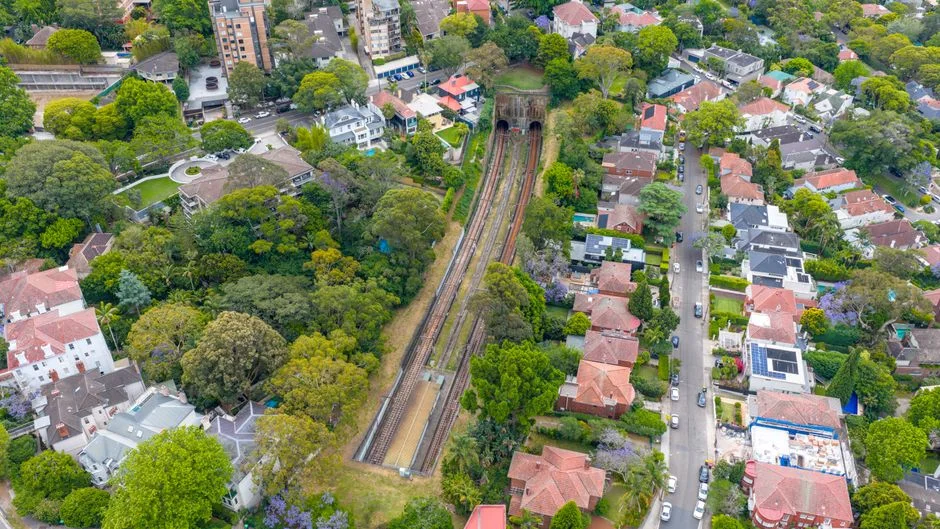
In Canberra, the market has shown similar patterns, with many homes on the market remaining unsold for extended periods. Homebuyers are adopting a wait-and-see approach as they anticipate further declines. Real estate agents are witnessing a notable slow-down in open-house attendance, signalling a shift in buyer sentiment.
The Impact on Investors


The ramifications of this housing slump are extensive for both local and international investors. Many property owners are now facing negative equity, where the value of their homes falls below the outstanding mortgage balance. This situation could force some sellers into the market, which may further depress prices.
Investors who had previously relied on rapid price growth as a component of their financial strategy may need to reassess their portfolios and consider alternative assets. Industry analysts suggest that rental markets will remain strong, but the pressure on house prices could prompt a strategic pivot for many real estate investors.
Market Reactions and Business Implications
The broader economic implications of falling home prices are significant. In response to the downturn, homebuilders in Australia are scaling back on new developments, particularly in regions most affected by price declines. The Housing Industry Association has reported a notable decrease in building approvals, which could lead to further job losses in the construction sector.
Similarly, banks and lending institutions are adjusting their strategies as they navigate increased risk associated with property financing. Tighter lending standards are expected to persist, making it more challenging for buyers to obtain mortgages and affecting overall market liquidity.
Future Outlook for Homebuyers
For prospective homebuyers, the current climate presents both challenges and opportunities. While prices are expected to continue declining, buyers are advised to remain cautious and conduct thorough market research before making any commitments. The potential for a more affordable housing market could draw some buyers in, especially first-time purchasers.
However, those looking to invest should stay updated on policy changes and economic indicators that could further influence the market. Key data to watch includes upcoming interest rate decisions by the Reserve Bank of Australia and employment figures affecting consumer confidence.
Next Steps for the Market
Looking ahead, industry insiders are keeping a close eye on the resulting economic trends over the next six months. With interest rates likely to remain elevated, how the housing market adapts will be crucial to both buyers and investors alike. Sellers may need to adjust their expectations as the landscape continues to evolve, while buyers must remain vigilant in seeking out properties that meet their needs.
See Also
- Scroll Halts Operations in Singapore Amid Regulatory Scrutiny
- Nacional Announces General Assembly on April 19 — Key Leadership Changes Loom
Industry analysts suggest that rental markets will remain strong, but the pressure on house prices could prompt a strategic pivot for many real estate investors.Market Reactions and Business ImplicationsThe broader economic implications of falling home prices are significant. Key data to watch includes upcoming interest rate decisions by the Reserve Bank of Australia and employment figures affecting consumer confidence.Next Steps for the MarketLooking ahead, industry insiders are keeping a close eye on the resulting economic trends over the next six months.