Europe is intensifying its scrutiny of China, with Germany leading calls for tougher regulations on Chinese investments. This shift comes amid rising concerns over trade practices and economic dependency. The European Union (EU) aims to protect its markets while balancing political relations with Beijing.
Germany's Trade Policies and Their Implications
On Wednesday, German Finance Minister Christian Lindner announced a strategy to limit foreign investments in key sectors, particularly technology and security. This decision comes as the EU faces pressure to safeguard its economy from potential threats posed by Chinese acquisitions. Lindner stated that the plan aims to prevent sensitive technologies from falling into the hands of competitors.
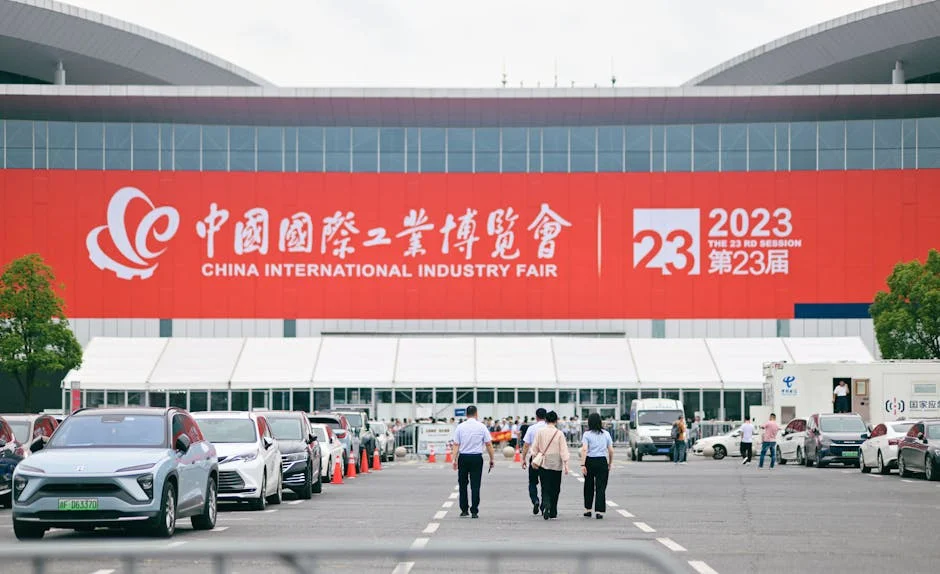
In 2022, Chinese investments in Germany reached a staggering €14 billion, marking a 50% increase compared to 2021. Such figures underline the growing intertwining of the two economies. However, as European governments push back, businesses must reassess their strategies in light of potential barriers to trade.
Market Reactions and Business Adjustments


Financial markets have reacted to the news with caution. The DAX index in Germany fell by 2.3% in the past week, reflecting investor anxiety over the implications of a trade war with China. Companies heavily reliant on Chinese supply chains, including automotive and manufacturing sectors, are particularly vulnerable to disruptions.
Firms like Volkswagen and Siemens are now reassessing their dependencies on Chinese markets. Executives from both companies have expressed concerns that increased tariffs or restrictions could threaten their bottom lines. Analysts predict a possible slowdown in earnings growth if tensions escalate further.
Regional Impact on Singapore
As one of Asia's leading financial hubs, Singapore stands to be affected by the brewing conflict between Europe and China. The city-state could see shifts in trade patterns, with businesses scouting for alternatives to diversify their supply chains. Singapore's Trade and Industry Minister Gan Kim Yong emphasised the need for resilience amid global uncertainties.
Potential Shifts in Trade Routes
Singapore has cultivated a robust trade relationship with China, with bilateral trade totalling around S$130 billion in 2022. Should European companies seek to pivot away from Chinese suppliers, they may turn towards Southeast Asian nations, including Singapore. This shift could provide new opportunities for local businesses to fill the void left by reduced European engagement with China.
Investor Sentiment and Future Outlook
Investors are increasingly wary of the implications of a trade war. Market analysts are predicting a heightened volatility in European stocks, particularly in sectors heavily tied to Chinese imports and exports. The trade tensions could extend beyond tariffs, affecting diplomatic relations that underpin global trade.
Looking ahead, companies are advised to prepare for changes in the regulatory landscape. The upcoming European Parliament vote on investment screening measures, scheduled for next month, will be pivotal in determining the future of EU-China relations.
Conclusion: What to Watch Next
As Europe continues to navigate its trade relationship with China, businesses and investors must stay alert. Upcoming discussions at the G20 summit in November may yield further insights into how global leaders plan to address these tensions. The evolving landscape will require companies to adapt swiftly to maintain competitive advantages in an uncertain environment.
See Also
- Supriya Shrinate Slams BJP Over Women’s Reservation as Political Shield
- Deloitte India Urges Rapid AI Adoption as Economy Shifts - Time for Companies to Act
What is the latest news about europe targets china with trade measures investors brace for fallout?
Why does this matter for politics-governance?
What are the key facts about europe targets china with trade measures investors brace for fallout?