The Australian Prime Minister has mounted a fierce defence of proposed tax changes targeting discretionary trusts, dismissing critics who argue the reform targets ordinary Australians. The government pushback comes as political opponents step up attacks on the measure, claiming it could affect everyday families rather than just high earners.
PM Dismisses Criticism Over Lack of Awareness
Speaking in Canberra, the Prime Minister rejected claims that the tax changes would hit ordinary Australians. "Millions have never even heard of a discretionary trust," he told reporters, arguing the reform targets specific tax planning structures used by wealthier individuals and businesses. The defence marks an escalation in the government's campaign to sell the controversial policy to a sceptical public.
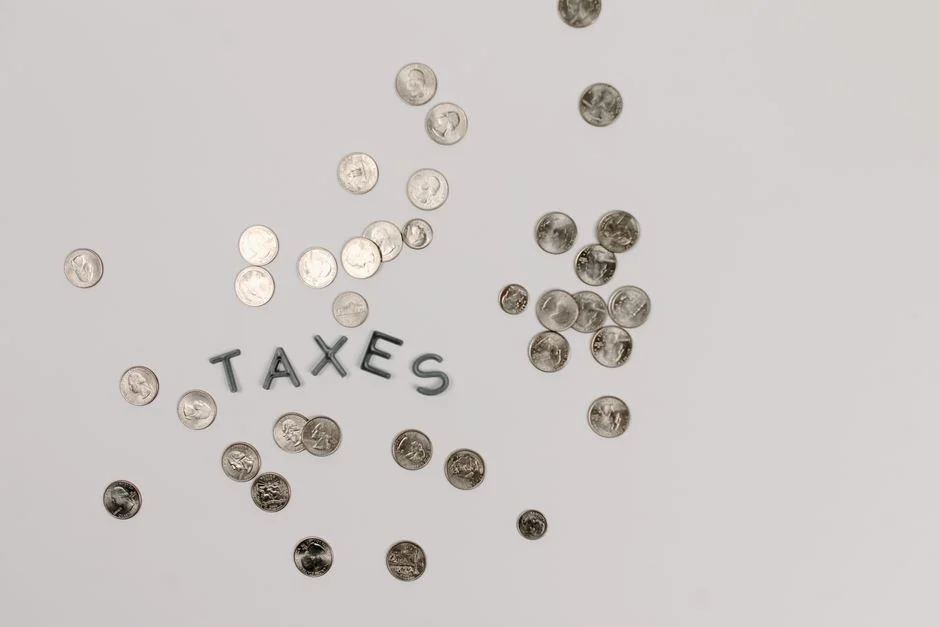
The proposed changes would alter how discretionary trusts calculate their tax obligations, a move the government says will close a long-standing loophole. Critics have seized on the announcement to warn that small business owners and family farms could face unintended consequences. The Prime Minister's office estimates around 130,000 trusts operate across Australia, though not all would be affected by the new rules.
Political Opposition Mounts Pressure


Opposition politicians have demanded the government release detailed modelling on which trust structures would face higher taxes under the proposal. They argue that without clear figures, ordinary Australians cannot assess whether their family arrangements might be caught in the net. The debate has spilled into parliamentary Question Time, where ministers have faced repeated questioning on the specifics.
Chaney, a prominent political commentator, explained the stakes in recent commentary: the changes represent one of the most significant alterations to trust taxation in decades. The government's handling of the rollout has drawn comparisons to previous tax reform efforts that faltered under public pressure. Business groups have grown increasingly vocal, warning that uncertainty could delay investment decisions.
Business Community Watches Closely
Corporate Australia is monitoring the debate with growing unease. Discretionary trusts serve as common structures for family businesses, professional practices, and investment portfolios. Accounting firms report a surge in enquiries from clients seeking to understand whether their existing arrangements would need restructuring. Some advisors have begun flagging potential compliance costs for trusts forced to adapt.
The debate carries particular weight for sectors that rely heavily on trust structures. Legal firms, medical practices, and accounting businesses frequently use discretionary trusts as part of their tax planning. A survey by a national accounting body found that 67% of its members had clients asking about potential impacts, though the government insists most Australians will notice no change to their tax situation.
Economic Implications for Investors
Market analysts note that tax uncertainty can slow investment activity. Wealth management professionals argue that if the changes proceed, some investors may shift toward alternative structures that remain outside the proposed rules. TheProperty industry has expressed particular concern, given how common trust arrangements are in commercial real estate transactions.
Economists tracking the debate say the outcome could influence where wealthy Australians choose to invest their capital. Tax structures matter significantly for high-net-worth individuals making decisions about asset allocation. If discretionary trusts become less tax-effective, money might flow toward different investment vehicles or jurisdictions.
Government Defends Consultation Process
Finance officials insist the government has engaged extensively with stakeholders before finalising any proposals. Treasury figures show officials held more than 40 industry briefings over the past six months. The government argues this consultation distinguishes the current approach from previous failed reform attempts that rushed through changes without adequate warning.
However, business groups counter that specifics remain vague despite the consultations. Industry bodies have called for draft legislation before parliamentary debate begins. Without concrete wording, they argue, advisors cannot give clients definitive guidance on whether their arrangements comply with proposed rules.
What Happens Next
Parliament is expected to debate the legislation in the coming sitting weeks. The government holds a slim majority, meaning any backbench dissent could complicate passage. Observers note that similar tax proposals have failed in the past when public opposition mobilised effectively against them.
Australians should watch for the release of detailed draft legislation, likely within the next fortnight. The parliamentary budget office is preparing independent costings that will quantify how much additional revenue the changes could raise. That figure will likely shape the intensity of the political battle ahead.
See Also
- US Deploys Uncrewed Drone Boats in Iran Conflict — Market Volatility Looms
- Govt Waste 2.3 Billion on Unused ICT Systems — Auditor Slams Inefficiency
A survey by a national accounting body found that 67% of its members had clients asking about potential impacts, though the government insists most Australians will notice no change to their tax situation.Economic Implications for InvestorsMarket analysts note that tax uncertainty can slow investment activity. TheProperty industry has expressed particular concern, given how common trust arrangements are in commercial real estate transactions.Economists tracking the debate say the outcome could influence where wealthy Australians choose to invest their capital.