A devastating explosion in a rebel-held village in Myanmar has resulted in the deaths of at least 34 people. The blast, which occurred on October 9, 2023, in the northern Shan State, has raised concerns over the ongoing instability in the region and its potential repercussions on markets and businesses across Southeast Asia.
Impact on Local Stability and Trade
The Shan State has long been a hotspot for conflict between Myanmar's military and various insurgent groups, including ethnic armed organisations. This recent violence threatens to disrupt not only local stability but also trade routes that are crucial for regional commerce, particularly between Myanmar and neighbouring China.
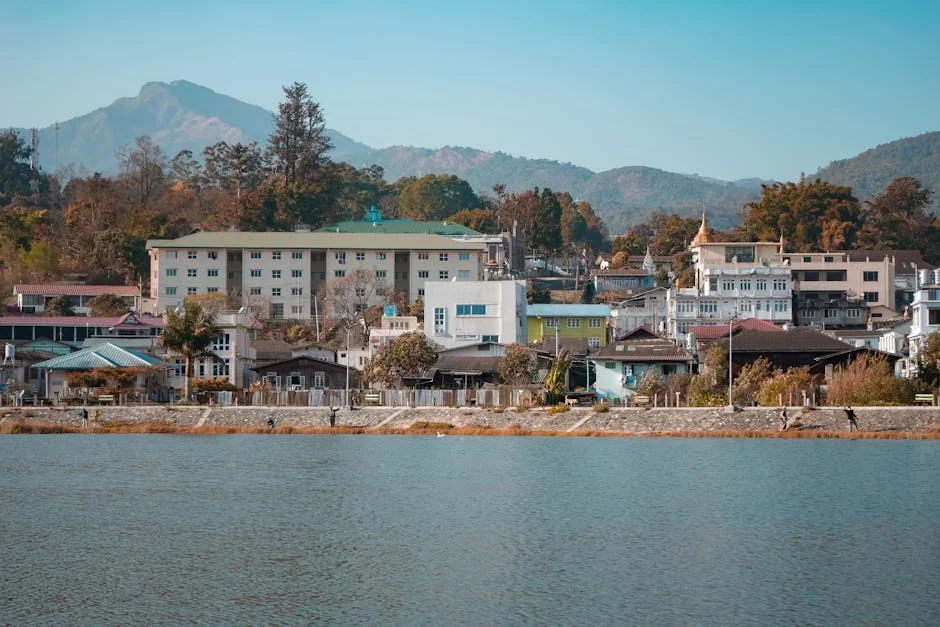
Trade between Myanmar and China has seen steady growth, with the total bilateral trade volume reaching approximately $16 billion in 2022. Any disruption caused by ongoing conflict could jeopardise this economic relationship, impacting supply chains and raising transport costs.
Reactions from Asian Markets


Following the news of the explosion, financial markets across Asia displayed immediate volatility. The Singapore Exchange (SGX) saw a dip in shares of companies with significant investments in Myanmar, as investors reacted to heightened risks associated with the geopolitical landscape. The market downturn underscores how events in Myanmar can ripple through regional economies.
Investors are particularly wary of sectors such as telecommunications and energy, where companies like Singapore's Singtel and YTL Power are heavily involved. With safety concerns mounting, further investments in conflict-prone areas may be put on hold, leading to a slowdown in economic activity.
Chinese Investment and Future Prospects
Chinese investments in Myanmar have been a focal point of regional economic engagement, particularly in infrastructure projects. The recent violence could lead to a reassessment of these projects, as firms consider the safety of their investments. The Myanmar Investment Commission (MIC) reported that Chinese investments accounted for $3.6 billion of the $5.4 billion worth of foreign investments in Myanmar last year.
Businesses are now contemplating the long-term sustainability of their operations in Myanmar. If the unrest continues, it could result in reduced foreign direct investment, which has already seen a decline of over 20% since the military coup in February 2021. This decrease could stifle economic growth further, leaving many businesses vulnerable.
Broader Economic Implications
The blast has also created uncertainty among investors regarding Myanmar's economic future. The country is currently grappling with a depreciating currency and rising inflation, which reached 9.7% in September 2023. These economic challenges, compounded by violence, may drive domestic and foreign companies to reconsider their presence in the country.
With many businesses relying on stability in Myanmar to access wider ASEAN markets, the potential fallout from the current situation could have a cascading effect. Investors are now closely monitoring developments, particularly any signals from the Myanmar military or government regarding stability measures.
Market Watch: What Comes Next?
The regional business community is on high alert, watching for any further violence or instability that could emerge from this incident. Key indicators include changes in foreign investment flows and stability in trade routes between Myanmar and its neighbours, especially China.
In the coming weeks, businesses will need to assess their risk exposure in Myanmar as the situation unfolds. Companies involved in sectors vulnerable to conflict, such as agriculture and natural resources, will require contingency plans to mitigate potential losses.
Conclusion: Preparing for Uncertainty
As Myanmar grapples with the aftermath of this tragic event, markets are bracing for potential shifts. Investors and businesses must remain agile and responsive to the situation as it develops. The focus will be on how the Myanmar military and the international community will address the ongoing conflict, as well as their impact on regional economic stability.
See Also
- Singapore Appoints Gan Kim Yong as MAS Chief to Steer Economic Growth
- Tim David Powers IPL Team to Victory — How This Affects Indian Markets
Key indicators include changes in foreign investment flows and stability in trade routes between Myanmar and its neighbours, especially China.In the coming weeks, businesses will need to assess their risk exposure in Myanmar as the situation unfolds. Investors are now closely monitoring developments, particularly any signals from the Myanmar military or government regarding stability measures.Market Watch: What Comes Next?The regional business community is on high alert, watching for any further violence or instability that could emerge from this incident.
What is the latest news about myanmar blast kills over 30 how this affects regional markets?
Why does this matter for education?
What are the key facts about myanmar blast kills over 30 how this affects regional markets?