Women in India are increasingly opting for births in private hospitals, according to new data from the National Family Health Survey (NFHS). The latest figures reveal that around 71% of women now prefer private healthcare services for childbirth, a significant rise from 59% in the previous survey conducted in 2015-16.
Changing Trends in Maternity Care
This trend marks a shift in the mindset of expectant mothers, driven by perceptions of better quality care and personalised services in private clinics. The report shows that states like Maharashtra and Tamil Nadu lead in this trend, with private hospital deliveries reaching 80% and 75%, respectively. These figures have profound implications for the healthcare sector, especially as more women prioritise comfort and safety during childbirth.
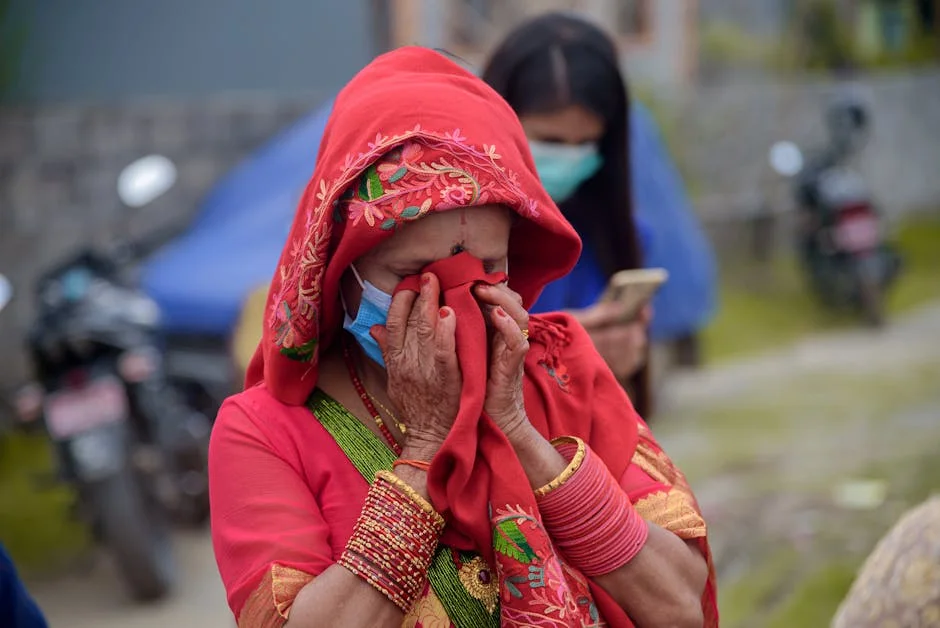
The NFHS data indicates that the overall number of institutional births has increased significantly, with 87% of deliveries now taking place in hospitals, up from 79% in the last survey. This indicates a robust growth in the healthcare market as families seek improved healthcare infrastructure.
Financial Implications for Healthcare Providers


The surge in demand for private maternity services is expected to push hospitals to invest heavily in their maternity wards and related facilities. This trend provides an opportunity for healthcare providers and investors to expand their services, particularly in metropolitan areas where the demand is highest. Increased spending on maternity care could lead to a more competitive environment among hospitals, impacting pricing structures and service offerings.
Hospital chains like Fortis Healthcare and Apollo Hospitals are already ramping up their maternity care services in anticipation of this trend. This could potentially lead to more strategic partnerships with insurance companies to provide attractive packages for pregnant women, influencing their market share in the healthcare sector dramatically.
Impact on Insurance and Investment
The rise in private hospital births may also positively impact health insurance markets in India. More families seeking private maternity services could drive demand for comprehensive health insurance plans, particularly those that cover childbirth-related expenses. Insurers might be compelled to develop tailored products that meet the evolving needs of expectant parents.
Investors seeking opportunities in the healthcare sector should note this growing demand. With the maternity care segment poised for growth, stakeholders may consider investing in companies that are expanding their private hospital networks or enhancing their service offerings to accommodate the rising number of private births.
Future Trends to Monitor
As the trend toward private hospital births continues, challenges such as the rising costs of healthcare could emerge. Although private facilities often offer quicker access to services, the financial burden on families may also increase. This situation may spark discussions around healthcare affordability, especially in urban areas where costs are already high.
Authorities may also consider revising healthcare policies to ensure that public hospitals remain competitive. With an increasing number of women opting for private facilities, the government may need to invest more in public healthcare infrastructure to address potential gaps in service delivery.
What Comes Next?
As the landscape of maternity care evolves, stakeholders in India’s healthcare ecosystem should monitor key developments closely. Upcoming health policy discussions and potential regulatory changes could significantly shape the future of both private and public healthcare sectors. Investors and businesses should prepare for a dynamic market environment as this trend unfolds over the coming years.
See Also
- Hospital Delayed Meningitis Alert — Public Health Crisis Deepens
- Australia’s Cervical Cancer Win Triggers Global Health Market Surge