India's government has rolled out artificial intelligence-powered early warning systems across elephant territory in a direct response to the hundreds of human deaths and billions of rupees in crop damage caused by animal conflicts each year. The Ministry of Environment, Forest and Climate Change confirmed the deployment covers multiple states where elephant herds regularly clash with farming communities. Officials say the system uses motion sensors and acoustic detection to alert villages before herds arrive, potentially reshaping how rural economies manage wildlife risks.
Rural Communities Bear the Cost
For decades, Indian farmers in states like West Bengal, Assam, and Kerala have faced devastating losses when elephant herds trample crops and destroy property. Insurance claims data from the Ministry shows compensation requests from human-elephant conflicts have risen steadily over the past five years. Local media reported that one village in Odisha lost crops worth approximately 2 million rupees in a single incident last monsoon season. The economic burden falls disproportionately on smallholder farmers who lack resources to protect their fields or recover from losses quickly.
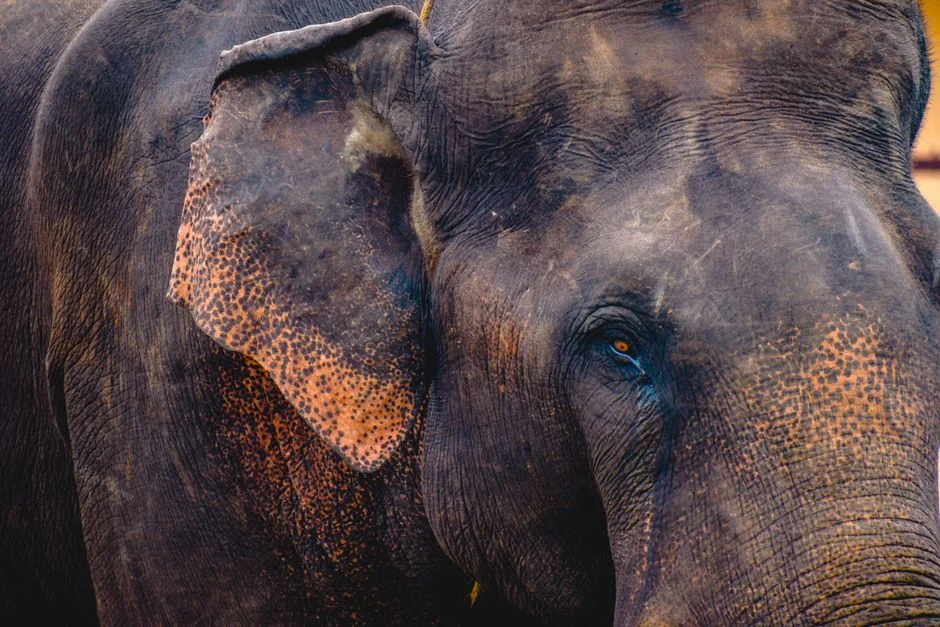
Beyond the immediate crop damage, human casualties create additional costs for healthcare, lost labour capacity, and social disruption in already fragile rural economies. State governments allocate budget funds each year for compensation payments, diverting resources from other development priorities. The new AI system aims to reduce these costs by giving communities advance warning to evacuate or take protective measures before elephants enter farmland.
How the Technology Works


The warning network combines ground sensors, acoustic monitors, and satellite connectivity to detect elephant movements in real time. When the system identifies an approaching herd based on movement patterns and sound signatures, it sends alerts to village coordinators through mobile phones and sirens. The technology can distinguish between elephants and other large animals to reduce false alarms that could desensitise communities to genuine threats.
The system emerged from a partnership between the Wildlife Trust of India, a conservation organisation, and technology developers working with state forest departments. Pilot projects in Karnataka and Tamil Nadu ran for two years before the Ministry approved wider rollout. Early data from those pilots showed response times improved by an average of 25 minutes compared to traditional community watch systems, giving farmers significantly more time to protect livestock and property.
Investment in Conservation Technology
The deployment represents a growing market for environmental monitoring technology in India. Private companies supplying sensors and software for the warning network have received contracts worth several hundred million rupees from state governments. Investors in conservation technology see potential for similar systems addressing conflicts between humans and tigers, leopards, and other dangerous wildlife species that damage rural livelihoods across South Asia.
Insurance firms are also tracking the development closely. Fewer human deaths and less property damage could reduce liability claims, potentially lowering premiums for agricultural insurance products in elephant-prone regions. Industry analysts note this creates an opportunity for insurers to develop new products combining wildlife monitoring data with coverage tailored to conflict-affected farming communities.
Tourism and Economic Activity
India's elephant tourism industry generates significant revenue across multiple states, with visitors drawn to conservation areas and wildlife reserves. The AI warning systems could benefit this sector by reducing human-wildlife incidents that sometimes disrupt tourism operations and damage the reputation of protected areas. Operators in Assam's Kaziranga National Park and Kerala's Wayanad Wildlife Sanctuary have expressed interest in integrating the technology to improve visitor safety.
However, some conservation groups warn that technology alone cannot resolve the underlying pressures driving elephant-human conflict. Habitat loss continues to shrink traditional elephant corridors, pushing herds into closer contact with human settlements. The Ministry acknowledged that the warning systems work alongside efforts to restore and protect migration routes, though critics argue these programmes receive inadequate funding compared to reactive measures.
Economic Implications for Agricultural Markets
Agricultural economists point to several ways reduced elephant damage could affect regional markets. Lower crop losses mean more produce reaching markets, supporting supply chains in states where farming accounts for a substantial share of economic activity. Communities that previously avoided planting certain high-value crops near forest edges due to elephant risk may expand cultivation if the warning system proves reliable.
The technology also has potential applications in protecting infrastructure. Power companies operating in elephant territory have dealt with transformer damage when herds interfere with electrical installations. Telecom providers face similar challenges with tower equipment. The same sensor technology adapted for agricultural warning could be modified to protect critical infrastructure, creating additional revenue opportunities for developers and reducing service disruptions that affect businesses throughout affected regions.
What Comes Next
The Ministry has set a target of covering 500 additional villages across 12 states by the end of next year. Officials plan to evaluate the system after 18 months of full operation, measuring reductions in both human casualties and crop damage claims. Success could trigger expansion to other wildlife conflict situations and attract interest from governments in Sri Lanka, Nepal, and Indonesia, where similar challenges affect rural economies.
Investors and technology companies should watch for procurement announcements and partnership opportunities as the rollout accelerates. The conservation technology sector in Asia is projected to grow substantially, and early contracts in India could establish track records that open doors to larger markets. Farmers in treated regions will get the first clear evidence of whether artificial intelligence can deliver on its promise of safer coexistence with one of nature's most powerful animals.
See Also
- Iran Deploys Chinese-Made Missile to Target US F-15 — Market Reactions Unfold
- Singapore Airlines Restricts Business Class Seat Picks — Fare Type Now Decides
Industry analysts note this creates an opportunity for insurers to develop new products combining wildlife monitoring data with coverage tailored to conflict-affected farming communities.Tourism and Economic ActivityIndia's elephant tourism industry generates significant revenue across multiple states, with visitors drawn to conservation areas and wildlife reserves. The Ministry acknowledged that the warning systems work alongside efforts to restore and protect migration routes, though critics argue these programmes receive inadequate funding compared to reactive measures.Economic Implications for Agricultural MarketsAgricultural economists point to several ways reduced elephant damage could affect regional markets.