British trade negotiators have agreed to exempt the vast majority of Indian steel shipments from new tariffs, removing the last major obstacle to a comprehensive free trade agreement between the two nations. The breakthrough, confirmed by officials in New Delhi and London, shields approximately 85 percent of India's steel exports from British safeguard measures that had threatened to disrupt bilateral commerce worth billions of pounds.
Breakthrough in Bilateral Trade Talks
The agreement came after months of tense negotiations centred on Britain's post-Brexit steel protection regime. New Delhi had warned that blanket tariffs on Indian steel could derail the entire free trade talks, valued at over £28 billion annually. The solution grants quota-free access for Indian steel producers covering the bulk of current export volumes, while maintaining modest restrictions on a narrow category of products.
Trade Ministry officials in India welcomed the outcome, describing it as proof that both sides remained committed to deeper economic integration. British counterparts echoed the sentiment, noting that the compromise protects domestic steelmakers while preserving export opportunities for British businesses selling into the Indian market.
Who Benefits and How Much


Major Indian steel producers, including those operating facilities in the National Capital Region and coastal states like Tamil Nadu and Odisha, stand to gain the most from the accord. These companies had faced the prospect of paying substantially higher duties when selling into Britain, their second-largest export market after the European Union.
Industry calculations suggest the tariff exemptions could preserve approximately £1.2 billion in annual trade flows that would otherwise have faced penalties. Investors in Indian steel equities reacted positively, with shares in several major producers climbing on the London Stock Exchange following the announcement.
Specific Sectors and Products Affected
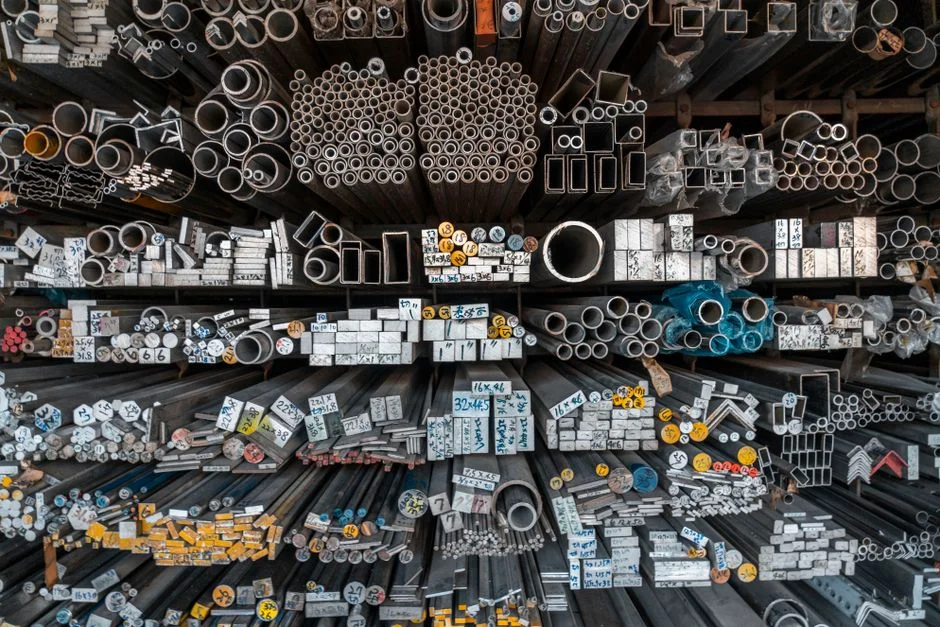
The agreement covers hot-rolled coil, cold-rolled sheet, and rebars — products widely used in British construction and manufacturing. Indian mills had been particularly concerned about safeguard duties introduced last year, which added up to 25 percent to the cost of certain steel imports. Under the new arrangement, quota thresholds for these products have been set high enough that most legitimate trade can proceed without restriction.
Some specialised steel categories, including certain pipes and tubes, remain subject to the original safeguards. Trade officials indicated these product lines represent less than 15 percent of current bilateral steel commerce.
Wider Economic Implications
The steel breakthrough clears the path for finalising the broader Comprehensive Economic Partnership Agreement, which has been under negotiation since 2022. Economists note that the FTA could eventually cover services, technology, and investment alongside goods — sectors where both countries harbour significant ambitions.
Britain is seeking new trade partnerships to offset reduced access to EU markets following Brexit. India, meanwhile, wants to diversify its export destinations beyond traditional partners. The timing of the steel resolution, coming in July, suggests both governments aim to present tangible progress ahead of upcoming legislative sessions in their respective parliaments.
Business Response and Investment Signals
Corporate leaders from both nations responded with cautious optimism. Indian steel executives pointed to the agreement as validation for their expansion strategies targeting European markets. Several companies had already invested in upgraded production facilities specifically to meet British technical standards.
British steel importers and construction firms also expressed relief, noting that supply chain disruptions and cost increases had been a genuine concern. Industry associations in the United Kingdom warned last quarter that retaliatory trade measures could have ripple effects across infrastructure projects valued at several billion pounds.
What Comes Next
Negotiators must now translate the steel agreement into formal legal text before the end of the year. Technical teams from both capitals will convene in August to begin drafting the precise quota mechanisms and review procedures that will govern the arrangement.
The broader FTA text still requires resolution on several chapters, including intellectual property protections, financial services access, and migration provisions for business travellers. Trade analysts expect these remaining issues to dominate talks through the autumn, with a final agreement potentially ready for ratification by early next year.
Timeline and Political Hurdles
Both governments face domestic political considerations that could affect the pace of negotiations. Indian parliamentary sessions scheduled for September will include opposition questions about the terms of market access commitments. In Britain, the agreement must survive a parliamentary vote that could draw scrutiny from lawmakers concerned about domestic industry impacts.
Trade experts suggest the steel chapter breakthrough demonstrates political will at the highest levels, which bodes well for reaching a comprehensive deal. However, they caution that similar last-minute complications have delayed past agreements, and both sides will need to maintain momentum through the technical negotiating phase.
Looking Ahead: Investors Should Watch Three Indicators
Market participants should track three developments in the coming weeks. First, any official confirmation of a signing ceremony or formal announcement timeline. Second, share price movements for major Indian steel exporters listed in London and Mumbai, which often anticipate trade developments ahead of formal statements. Third, statements from British steel industry groups regarding their response to the quota arrangements.
The next formal negotiating round is expected to take place in September, when delegations will convene in London. Both sides have indicated an ambition to conclude talks before the end of the current financial year, though trade specialists note that such timelines frequently shift as complex issues surface during drafting.
See Also
- Sellfy Launches New Features Amid E-commerce Growth in Singapore
- Lebanon Conflict Triggers Market Volatility — SG Investors Watch
In Britain, the agreement must survive a parliamentary vote that could draw scrutiny from lawmakers concerned about domestic industry impacts.Trade experts suggest the steel chapter breakthrough demonstrates political will at the highest levels, which bodes well for reaching a comprehensive deal. Several companies had already invested in upgraded production facilities specifically to meet British technical standards.British steel importers and construction firms also expressed relief, noting that supply chain disruptions and cost increases had been a genuine concern.