Officials in Gujarat, India, confirmed the deaths of five Asiatic lion cubs in the Gir forest, raising alarms over potential disease outbreaks among wildlife. The deaths occurred last week, with preliminary reports suggesting a viral infection could be the cause, according to the state’s forest department. This incident has serious implications for both local wildlife and surrounding market dynamics.
Impact on Wildlife and Conservation Efforts
The Asiatic lion population in Gujarat has been a conservation success story, with numbers rising from about 20 in the early 20th century to over 600 today. However, the recent death of these cubs could jeopardise ongoing efforts to stabilise and expand their habitat. Authorities are performing health assessments on remaining lions to mitigate further losses, but the stress on the local ecosystem is already evident.
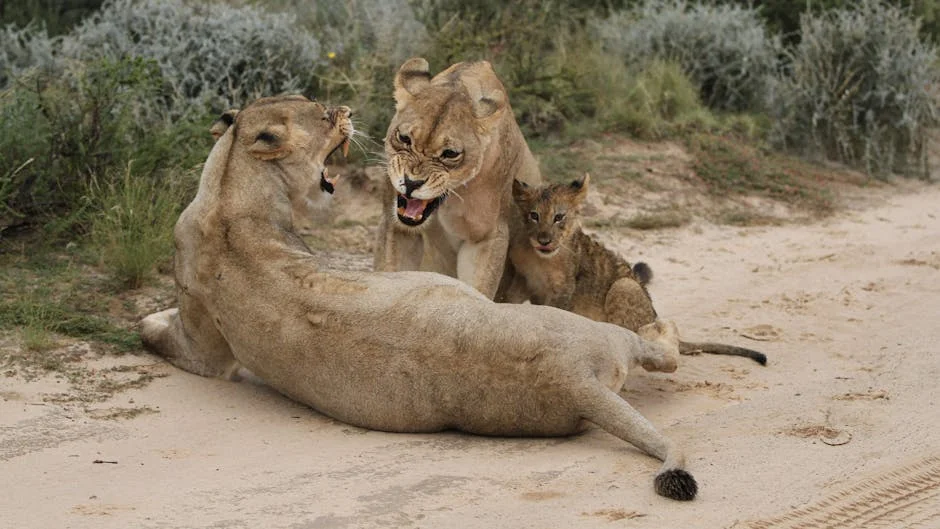
The Gir forest is not only a sanctuary for lions but also a hub for biodiversity, which directly supports the local economy through tourism. Should disease spread among these lions, it could lead to decreased tourism, impacting businesses ranging from lodges to tour operators who rely on wildlife enthusiasts.
Economic Ramifications for Local Communities


Tourism related to wildlife viewing contributes significantly to the economy in Gujarat, with estimates suggesting it generates nearly ₹1,400 crore ($170 million) annually. A decline in lion sightings due to health crises could deter visitors, affecting local guides and businesses that thrive on this sector.
Officials are calling for immediate action to safeguard the health of the remaining lion population and ensure that tourism remains sustainable. If the situation worsens, businesses may experience a downturn, as seen in similar wildlife crises across the globe.
Investor Sentiment and Market Reactions
Investors are closely monitoring developments in Gujarat, particularly in sectors tied to tourism and conservation. A prolonged health crisis could lead to a decrease in investment in eco-tourism projects. Market analysts caution that a sudden drop in tourist numbers could prompt immediate losses for businesses reliant on the influx of wildlife enthusiasts.
Local authorities are working with organisations such as the Wildlife Institute of India to establish emergency measures. These include monitoring and potential relocation of affected lions, but such actions may require substantial financial support, which could lead to a temporary dip in investor confidence.
Strategic Responses from the Government
The Gujarat government is currently evaluating its response strategy. Forest Minister Kunvarji Bavaliya noted the importance of not just addressing the immediate loss, but also developing robust health monitoring systems for wildlife. He emphasised that maintaining a healthy lion population is crucial, not only for conservation but also for economic stability.
Public Health Concerns and Broader Implications
The possibility of a contagious disease raises public health concerns that extend beyond wildlife. If similar infections were to affect livestock or other animals, it could disrupt local food supplies and agricultural markets. Preventative measures are crucial to avoid a wider health crisis that could threaten both wildlife and human populations.
Collaboration with Global Wildlife Experts
Collaboration with international wildlife health experts may provide guidance on controlling potential outbreaks. The Indian government has previously partnered with global organisations to enhance conservation strategies, and similar efforts may be needed to address the current crisis effectively.
Looking Ahead: What to Watch
In the coming weeks, officials will monitor the situation closely, and further updates on the health of the lion population are expected. Authorities must also prepare for the potential fallout in tourism revenue should the health of these animals not improve.
Stakeholders are urged to keep an eye on government announcements regarding disease management strategies and any initiatives to support local businesses affected by potential declines in tourism. The outcome of this situation could have lasting effects on the economy of Gujarat and the future of wildlife conservation in India.
See Also
- West Asia Conflict Slams Medical Tourism Revenue — Hospitals Warn of Cash Crunch
- India Celebrates Shivaji's Legacy — Impacts on Investments and Businesses Loom
Market analysts caution that a sudden drop in tourist numbers could prompt immediate losses for businesses reliant on the influx of wildlife enthusiasts.Local authorities are working with organisations such as the Wildlife Institute of India to establish emergency measures. Forest Minister Kunvarji Bavaliya noted the importance of not just addressing the immediate loss, but also developing robust health monitoring systems for wildlife.