India's government has activated drought monitoring protocols as the country endures one of its driest Junes since 1901, with Home Minister Amit Shah leading the coordination effort across multiple ministries. The crisis threatens to derail agricultural output in a nation where farming employs nearly half the workforce and shapes inflation dynamics that reverberate through global commodity markets. The India Meteorological Department reported below-average rainfall across 19 states during the critical sowing window, raising alarms about food production and rural income growth for the second half of 2024.
Sowing Season Disrupted Across Key Agricultural Regions
The June dry spell has left millions of acres of farmland in Rajasthan, Gujarat, and Maharashtra unsuitable for planting. Rice paddies in Punjab and Haryana remain parched despite the season typically accounting for 20 percent of India's annual grain harvest. Agricultural analysts warn that delayed sowing translates directly into reduced yields, pushing harvest timelines into unfavourable weather windows later in the year.
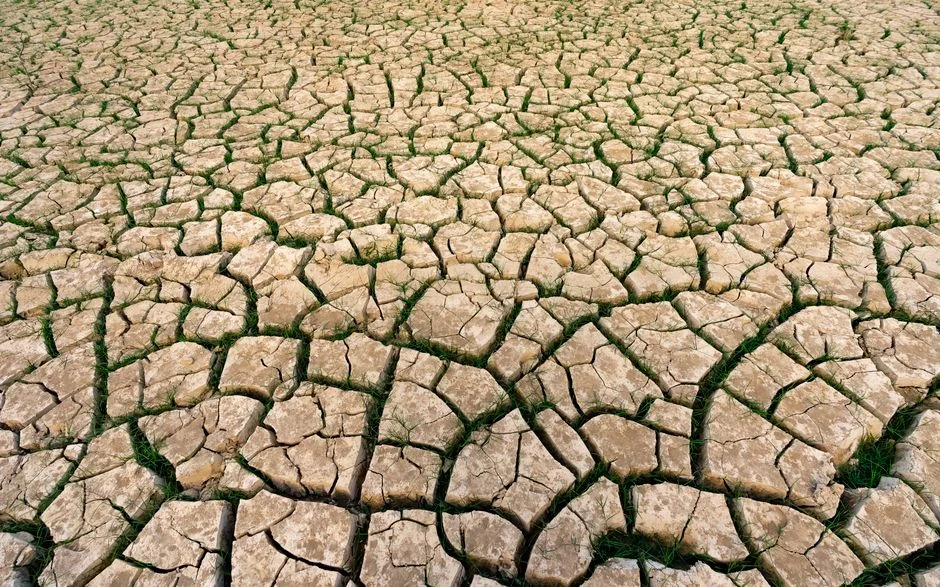
Water reservoir levels across the Deccan Plateau have dropped to 40 percent of capacity, according to data from the Central Water Commission. Hydropower generation in southern states has already fallen, forcing utilities to rely on costlier thermal plants. The cascading effects extend beyond agriculture into manufacturing and services sectors that depend on steady power supply and functional supply chains.
Economic Ripples Extend to Inflation and RBI Policy
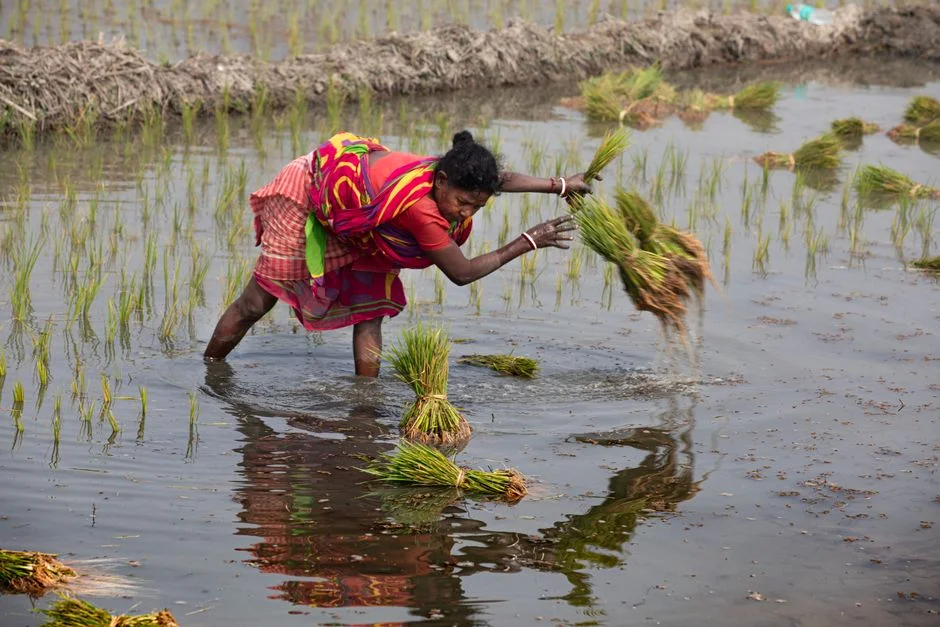
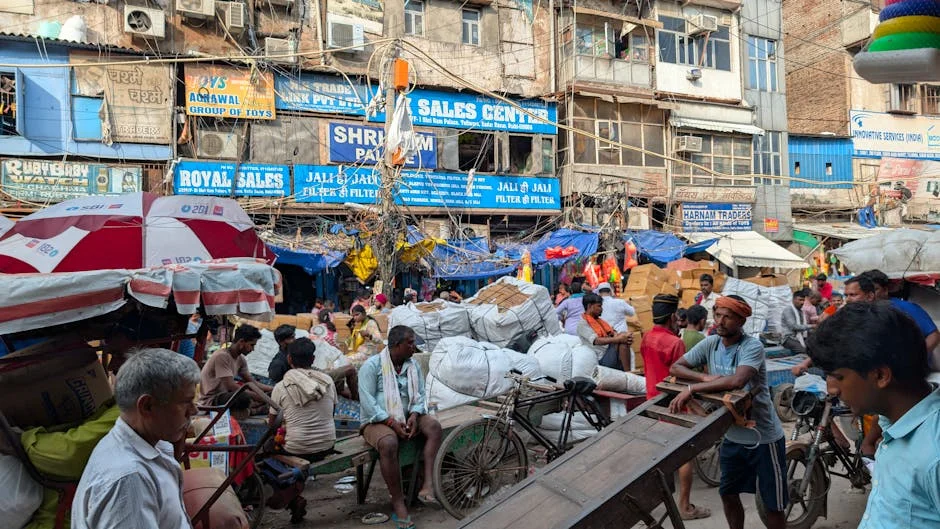
Economists are closely watching how the drought shapes India's inflation trajectory, which the Reserve Bank of India has kept above its 4 percent target for twelve consecutive months. Vegetable and pulse prices typically surge when monsoon fails, squeezing household budgets in urban centres and limiting consumer spending power that drives service-sector growth.
The government faces a delicate balancing act. Subsidising fertilisers and electricity for distressed farmers could widen the fiscal deficit at a time when rating agencies are scrutinising India's public debt-to-GDP ratio. Allowing agricultural distress to fester risks rural unrest and political fallout ahead of state elections scheduled for late 2024.
Commodity Markets React to Supply Concerns
Global wheat and rice futures ticked upward on Wednesday as traders priced in potential export restrictions from India, the world's largest rice exporter. Any reduction in India's exportable surplus would tighten global food markets already strained by geopolitical disruptions in the Black Sea region.
Local commodity exchanges in Delhi and Mumbai reported increased activity in futures contracts for guar seed and mustard, crops grown predominantly in drought-affected western states. Trading volumes suggest hedge funds are positioning for supply squeezes that could benefit agricultural processors with existing inventory.
Government Response and Policy Toolkit
The Ministry of Agriculture has authorised state governments to release water from reservoirs designated for irrigation, prioritising horticultural crops with higher market value. The Food Corporation of India has been directed to pre-position grain stocks in drought-prone districts, ensuring supply stability through the lean season.
Finance ministry officials indicated the government stands ready to deploy the National Disaster Response Fund, with initial allocations likely to exceed 50 billion rupees. The Centre has also requested that state governments expedite insurance claims under the Pradhan Mantri Fasal Bima Yojana crop insurance scheme, potentially releasing payments within 30 days of loss assessment rather than the standard 45-day window.
Investor Implications and Market Sectors to Watch
Companies with exposure to Indian agriculture face near-term earnings headwinds. Fertiliser manufacturers such as Coromandel International and Gujarat State Fertilisers could see demand spike if the government expands subsidy programmes, providing a potential offset to volume losses. Seed companies with drought-resistant product portfolios may capture market share as farmers shift planting strategies.
Food processing firms should prepare for input cost inflation in the October to December quarter, when harvested crops from delayed sowings reach the market. FMCG companies producing packaged foods face margin compression unless they secure long-term supply contracts before prices rise further.
Banking stocks warrant particular attention. Indian public sector banks hold significant exposure to agricultural loans, and any surge in default rates among rural borrowers would pressure capital adequacy ratios already under scrutiny from the RBI's asset quality review.
What Happens Next
The India Meteorological Department will release its July forecast on 15 July, providing the next critical data point for market participants. A normal July rainfall could rescue much of the kharif sowing season, but meteorologists surveyed by local media give only a 35 percent probability of above-average monsoonal precipitation in the coming weeks.
Investors should monitor rice and wheat futures on the Chicago Board of Trade as leading indicators of global market sentiment. Any official assessment from the Ministry of Agriculture indicating crop losses exceeding 10 percent would likely trigger government intervention, potentially including export taxes or quantitative restrictions on staple grains.
See Also
- India's IFFCO Opens New Agriculture Trade Frontier with United States
- NZ Beats England in Rain-Soaked Day International
Trading volumes suggest hedge funds are positioning for supply squeezes that could benefit agricultural processors with existing inventory. Finance ministry officials indicated the government stands ready to deploy the National Disaster Response Fund, with initial allocations likely to exceed 50 billion rupees.