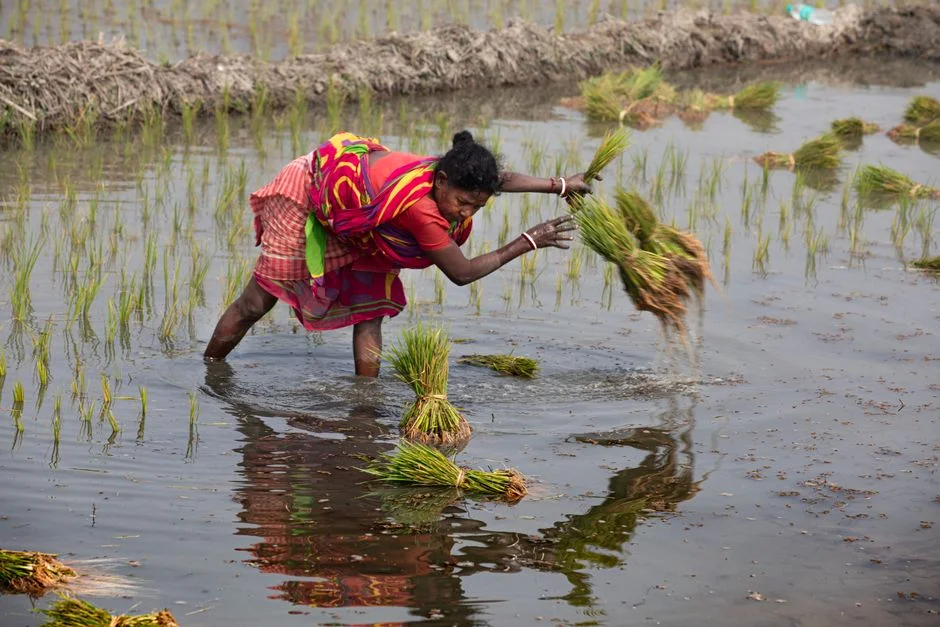
India's annual monsoon has swept into the northern regions of the country, but rainfall totals are running below seasonal averages for the third consecutive week, government data shows. The India Meteorological Department confirmed that despite the wind system's advance, precipitation levels have fallen short of the benchmark across Punjab, Haryana, and Uttar Pradesh — states critical to India's grain production. Agriculture analysts warn that prolonged deficits during the June-September season could stress summer-sown crops and weigh on rural spending that drives domestic demand.
Monsoon Progress and Current Rainfall Gaps
The monsoon typically covers the entire country by early July. This year, the system reached Rajasthan and Gujarat on schedule, but has delivered uneven rainfall since mid-June. Data from the weather office shows cumulative seasonal rain across India as a whole sits at approximately 90 percent of the long-period average — a figure that masks sharper shortfalls in key agricultural zones.

In Haryana and Punjab, two of India's most productive wheat and rice states, rainfall has been 20 to 25 percent below normal levels this month. The gap matters because these regions rely heavily on monsoon rains to replenish groundwater and fill reservoirs before the kharif planting season peaks in August. Water storage in major reservoirs across the country currently stands at 60 percent of capacity, down from 72 percent at the same point last year.
Crop and Agricultural Implications


Summer-sown crops including rice, cotton, soybeans, and pulses are now in their vegetative growth phase and require consistent moisture. A rainfall deficit during July can stunt plant development and reduce yield potential, particularly on rain-fed farms that lack irrigation infrastructure. The Ministry of Agriculture has not yet revised its production forecasts, but officials told reporters the situation is being monitored closely.
Traders are watching ground-level conditions more closely than headline averages. A prolonged shortfall could force New Delhi to reconsider rice export restrictions imposed last year, analysts say. India, the world's largest rice exporter, banned shipments of non-basmati white rice in July 2023 to cool domestic prices. Any reversal of that policy would reverberate through global commodity markets and affect buyers across Asia and Africa.
Economic Ripples Beyond Agriculture
India's monsoon season accounts for roughly 70 percent of annual rainfall and directly influences rural incomes, inflation, and consumer spending. Below-average rains can slow farm wage growth and reduce demand for goods ranging from fertiliser to motorcycles. Economists at several banks have flagged that a weak monsoon would complicate the Reserve Bank of India's efforts to sustain economic growth above 7 percent in the fiscal year ending March 2025.
Food inflation, already running near 8 percent in some months this year, could accelerate if crop yields disappoint. That would constrain household purchasing power and create pressure on the central bank to maintain elevated interest rates. For urban consumers and businesses alike, a drier-than-normal monsoon translates into higher vegetable and grain bills at a time when disposable incomes are already stretched.
Market Reaction and Investor Concerns
Commodity markets have begun pricing in weather risk. Futures for guar, a rain-sensitive crop grown primarily in Rajasthan, have risen sharply on the Multi Commodity Exchange in recent weeks. Rice export prices at Indian ports have held firm despite the export ban, reflecting traders' expectations that tighter supplies will persist. Analysts note that any deterioration in the monsoon outlook could trigger further gains in food futures and squeeze margins for companies in the processed foods sector.
Insurers with exposure to India's agricultural sector are also tracking the situation. Crop insurance schemes, which cover millions of farmers nationwide, face higher payout risk when rainfall falls significantly below average. For institutional investors with holdings in Indian agribusiness firms, insurance-linked losses could affect earnings projections for companies involved in seeds, fertilisers, and food processing.
What Comes Next
The India Meteorological Department has forecast normal rainfall for August and September, typically the wettest months of the season. However, meteorologists caution that El Niño conditions in the Pacific could suppress monsoon intensity in the coming weeks. Historical data shows El Niño years correlate with below-average Indian monsoon rainfall in approximately 60 percent of cases, though regional variation is significant.
The next critical window arrives in mid-July, when the monsoon seasonal trough — the band of low pressure that draws moist air inland — becomes fully established. Whether that system strengthens will determine whether the current rainfall deficit narrows or deepens. Market participants are expected to scrutinise weekly weather bulletins from the India Meteorological Department for signals about the August planting period, which will largely set the tone for kharif output and commodity prices through year-end.
See Also
- India Reports 50% Rise in Hospital Births – Lifestyle Diseases Threaten Economy
- Gill's 116 Drives India to Dharamsala Victory Over Afghanistan in Series Opener