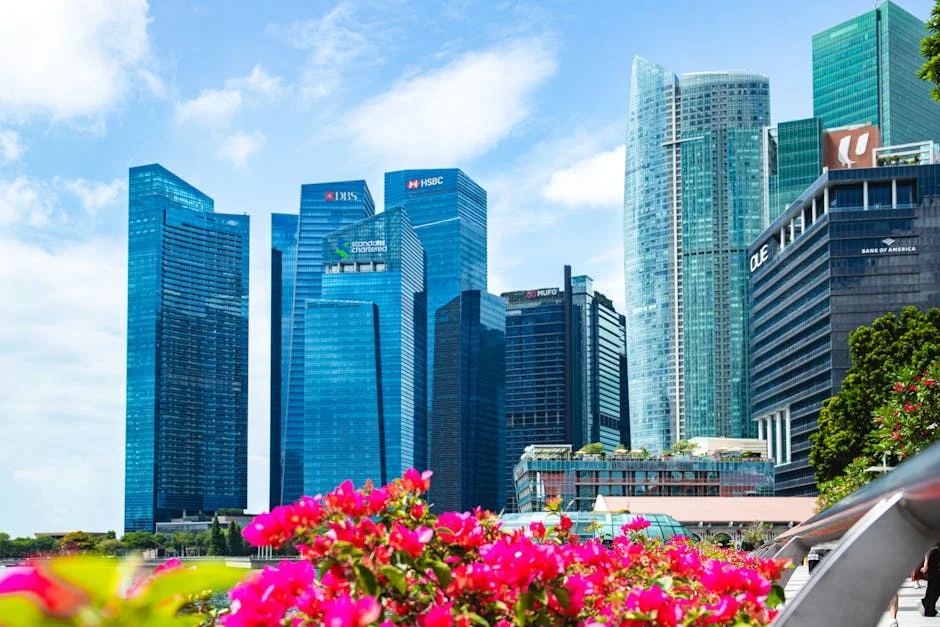
For years, dividend investing anchored countless Singapore portfolios. The strategy promised regular income from blue-chip companies trading on the Singapore Exchange. But rising interest rates are reshaping the calculation that once made dividends so attractive to investors in the city-state.
The Yield Gap Narrows
The Straits Times Index currently offers an average dividend yield around 4.1 percent, according to data from SGX. That figure looked generous when savings accounts paid nearly nothing. Today, fixed deposits in Singapore are routinely offering rates above 3.5 percent for twelve-month terms, with some banks pushing 4 percent for longer tenures.
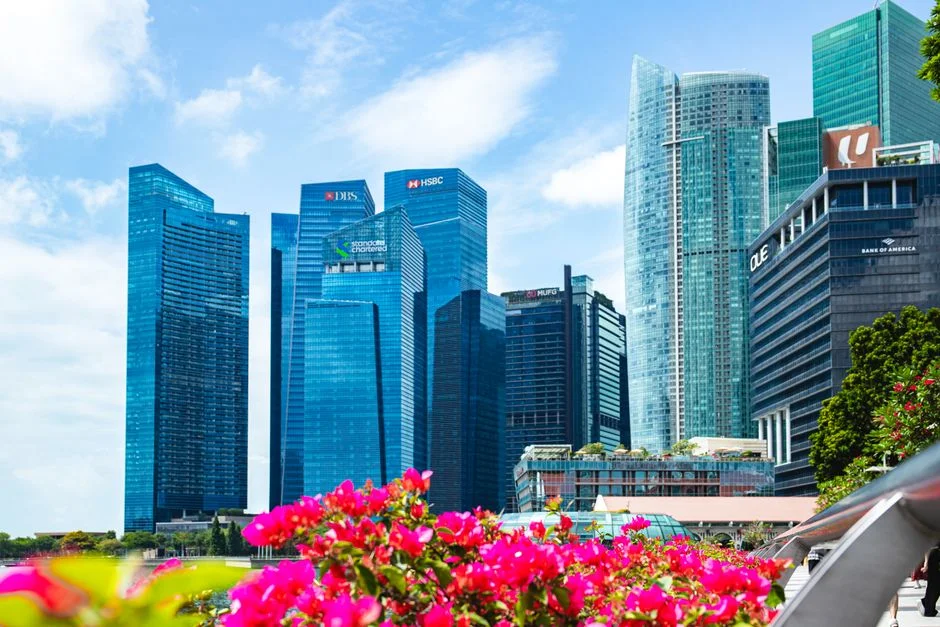
"The calculus has shifted fundamentally," said a wealth manager at a major bank in Raffles Place. "Investors who bought DBS or Singtel for the dividend are now asking whether they should simply park cash instead."
This sentiment echoes across brokerage desks in the Central Business District, where retail investors are increasingly weighing the safety of guaranteed deposit returns against the uncertainty of equity markets.
Which Sectors Face the Most Pressure


Real Estate Investment Trusts represent the most dramatic reversal. Singapore REITs once drew investors seeking yields above 6 percent. Now, rising financing costs compress margins, and several REITs have cut distributions over the past eighteen months. Mapletree Industrial Trust and CapitaLand Integrated Commercial Trust both reduced payouts in their latest results, citing higher borrowing expenses.
Blue Chips Under Scrutiny
Traditional dividend stalwarts in the banking and telecommunications sectors also face questions. Singtel's dividend has already been cut as the company invests in regional growth markets while domestic revenue contracts. OCBC and UOB continue paying dividends, but their yields have fallen relative to deposit rates as share prices appreciated.
Investors who built portfolios around the STI's high-yield names are watching the income stream thin just as alternatives become more competitive.
The Counterargument
Not everyone is abandoning the approach. Proponents argue that dividend-paying stocks offer capital appreciation potential alongside income, something term deposits cannot match. Singapore's aging population, many approaching retirement, still needs reliable income streams that equities can provide if companies maintain their payout policies.
Dividend aristocrats—companies that have raised payouts for consecutive years—remain scarce in Singapore, but names like Singapore Exchange Limited continue rewarding shareholders. The company posted a 7 percent dividend increase in its most recent financial year, supported by robust trading volumes.
What Investors Are Doing Instead
Market observers note a clear migration toward bonds and structured products offering fixed returns. Unit trusts focusing on Asian high-yield bonds have seen inflows increase over the past two quarters, according to fund flow data from Morningstar.
Singapore's Central Provident Fund continues anchor many retirement strategies, with the CPF Ordinary Account paying an interest rate tied to Singapore's inflation. That guaranteed return, currently above 2.5 percent, remains a baseline comparison for any dividend investment decision.
Retail investors are also exploring alternative dividend vehicles, including globally diversified exchange-traded funds that access higher-yielding markets in Europe and emerging economies.
Regulatory and Economic Context
The Monetary Authority of Singapore has kept monetary policy tight to combat imported inflation, indirectly affecting every savings and investment decision in the city-state. This environment, while necessary for economic stability, has reset expectations across asset classes.
Singapore's economy grew 1.1 percent in the most recent quarter, below long-term averages, suggesting corporate earnings may face headwinds. Companies that maintained generous dividend policies during the pandemic may find it harder to sustain payouts if revenue growth remains sluggish.
Looking Ahead
The next quarterly earnings season arrives in November, when major Singapore companies report results for the July-to-September period. Investors will scrutinize dividend declarations closely, watching for cuts that signal deeper corporate stress or maintained payouts that demonstrate resilience.
Whether dividend investing makes sense depends ultimately on individual circumstances—tax position, income needs, and risk tolerance. What has changed is the competitive landscape. The strategy no longer offers a clear, obvious advantage over simpler alternatives. Singapore investors are adapting, reassessing, and in many cases, repositioning.
See Also
- Trump, Then Putin: Beijing Becomes the World's New Diplomatic Centre
- Bangladesh MP Accuses of Banning Hindu Text at Independence Day — Tensions Rise
What is the latest news about singapore investors question dividend strategy as interest rates surge?
Why does this matter for politics-governance?
What are the key facts about singapore investors question dividend strategy as interest rates surge?