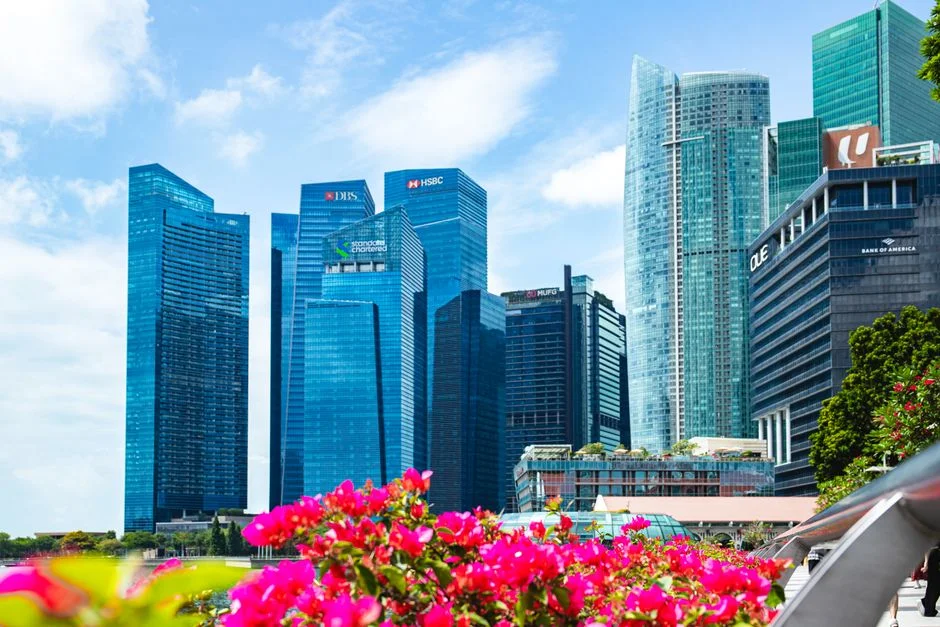
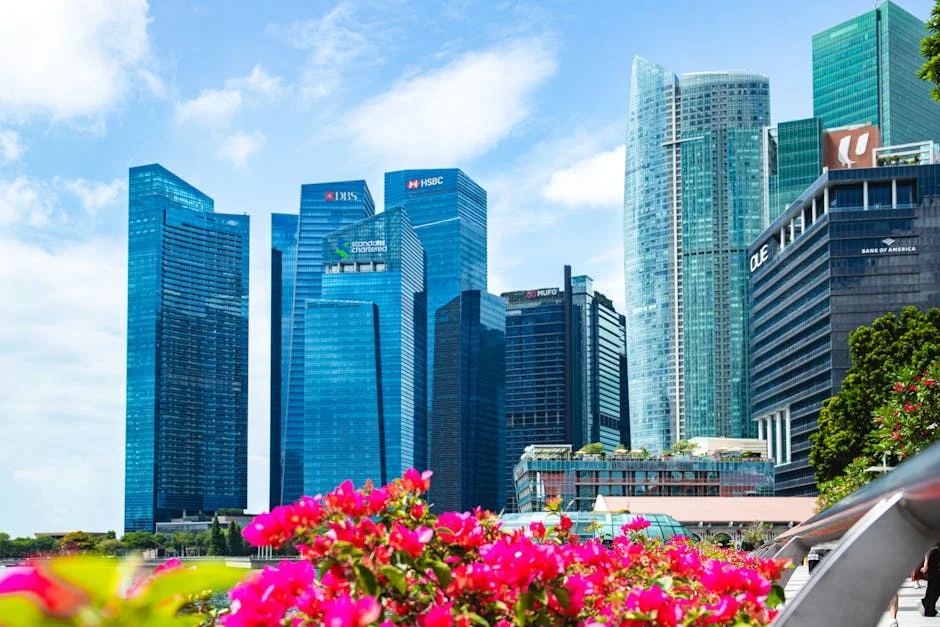
Singapore's economy is facing a critical moment as income inequality continues to widen, impacting consumer choices and market dynamics. Recent statistics show that the top 10% of earners in Singapore hold more than 50% of the nation's wealth, leaving many residents struggling to afford basic necessities. This disparity raises pressing questions about the sustainability of Singapore's economic model and its implications for businesses and investors.
Income Inequality: A Growing Concern
The latest figures from the Ministry of Finance indicate that the Gini coefficient, which measures income inequality, stands at 0.452 as of 2022. This is a slight decrease from previous years, but still highlights a significant divide in wealth distribution. The high cost of living in urban centres such as Singapore means that many residents face tough choices, leading to a decline in consumer spending power among the lower-income groups.

As a result, businesses that rely on discretionary spending may feel the pinch. Retail sectors and dining establishments have already reported dips in sales, as lower-income consumers cut back on non-essential purchases. This trend could lead to a broader economic slowdown if it continues, affecting overall growth forecasts for the city-state.
Impact on Local Businesses

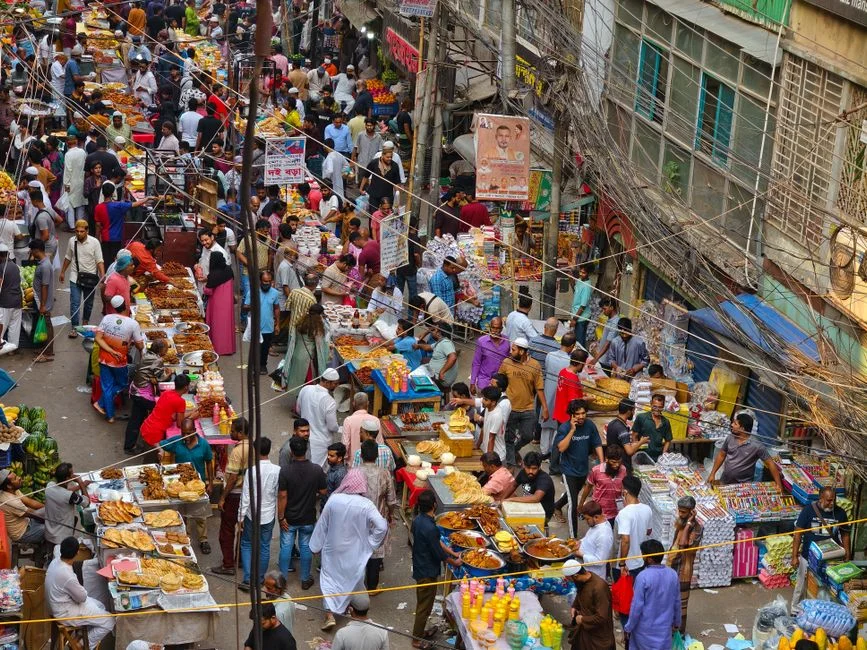
Local businesses are increasingly feeling the strain of income disparity. Companies that cater to upper-income consumers, such as luxury brands and fine dining establishments, may continue to thrive, but those serving the broader population are struggling. For instance, smaller restaurants in heartland areas have noted a 15% decline in customer footfall compared to the previous year.
Additionally, the retail sector is adapting by offering more budget-friendly options to attract a wider customer base. This shift may help mitigate losses, but it also raises questions about profitability and long-term sustainability. Investors are closely monitoring these changes to assess potential risks and opportunities in the evolving market landscape.
Investor Perspectives: Caution Ahead
Investors are becoming increasingly cautious as they evaluate the economic landscape in Singapore. The potential for reduced consumer spending could lead to lower earnings for companies across various sectors. Analysts from DBS Bank have issued warnings about the impact of rising living costs on consumer behaviour, advising investors to reconsider their positions in retail and hospitality stocks.
Moreover, the government's initiatives to address income inequality, such as the Progressive Wage Model, are seen as necessary but may take time to show tangible effects on the economy. Investors will need to stay vigilant and adapt strategies to navigate this complex environment.
Government Response: Policy Changes on the Horizon
In response to these concerns, the Singaporean government is exploring measures to alleviate income inequality. Upcoming budget announcements in February 2024 are expected to include policies aimed at enhancing support for low- and middle-income households. These initiatives could take the form of tax relief, subsidies, or direct cash transfers.
Such measures may help bolster consumer confidence and stimulate spending, but their effectiveness will depend on timely implementation and public reception. Businesses are watching closely, as these policies will directly influence consumer behaviour and market dynamics.
Future Outlook: What’s Next for the Economy?
The economic landscape in Singapore is at a crossroads, with income inequality posing significant challenges. As the government prepares to unveil new policies in early 2024, businesses and investors must remain adaptable to the shifting economic climate. The next few months will be critical for assessing the impact of these changes on consumer behaviour and overall market stability.
Stakeholders should prepare for potential volatility as new data emerges and policies take effect. Monitoring the government’s actions and consumer response will be essential for making informed investment decisions and sustaining business growth in the evolving market.
See Also
- EU Charts Independent Path Between US and China — Markets React
- New District Munsif and Judicial Magistrate Court Boosts Katpadi's Economic Landscape
The next few months will be critical for assessing the impact of these changes on consumer behaviour and overall market stability.Stakeholders should prepare for potential volatility as new data emerges and policies take effect. Analysts from DBS Bank have issued warnings about the impact of rising living costs on consumer behaviour, advising investors to reconsider their positions in retail and hospitality stocks.Moreover, the government's initiatives to address income inequality, such as the Progressive Wage Model, are seen as necessary but may take time to show tangible effects on the economy.