Novak Djokovic survived a stern test from China's Wu Yibing on Friday, grinding out a four-set victory at Wimbledon to advance in the tournament. The 7-6, 6-2, 6-7, 6-4 result sent the Serbian through to the next round, though Wu's performance raised eyebrows across the sports economy. Here is why markets care about this result, even if you never plan to watch a tennis match.
Wu Yibing's Rise and China's Sports Bet
Wu Yibing has become China's most internationally competitive male tennis player in years. His ranking has climbed steadily since 2021, drawing attention from Chinese state-backed sports investment funds that have poured money into developing elite athletes. Friday's match against Djokovic — the sport's dominant force — was Wu's chance to prove that investment is paying off. While he fell short, taking one set off a 24-time Grand Slam champion carries marketing value back home.
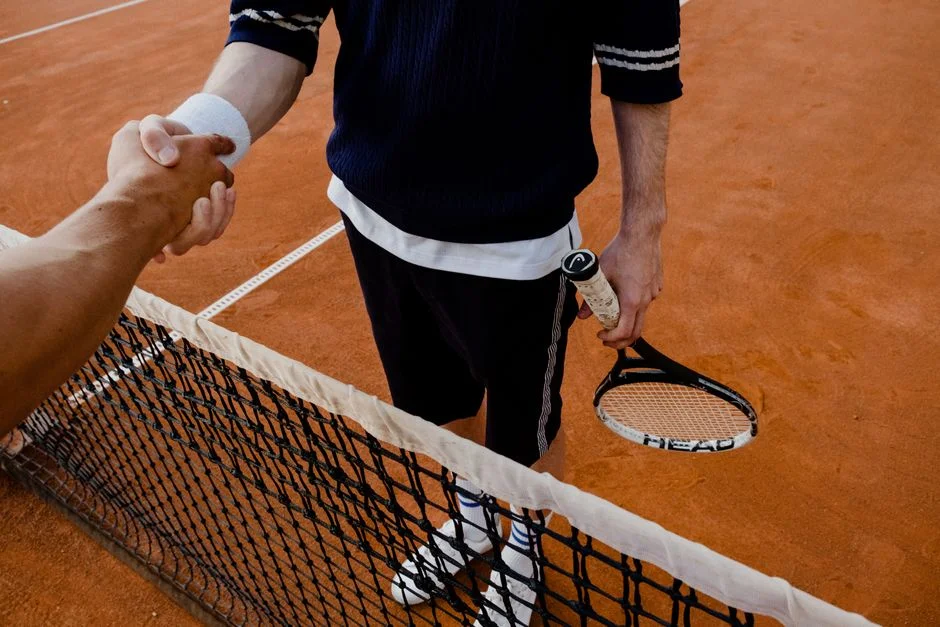
Chinese sports companies and government-linked funds have been tracking Wu's progress closely. A strong showing at Wimbledon, even in a loss, can trigger sponsorship deals worth millions. Beijing has made clear it wants to become a tennis powerhouse by 2035. Wu's performance feeds directly into that ambition.
Djokovic's Commercial Machine


For Djokovic, the match was another data point in an extraordinary commercial run. The 37-year-old earns an estimated $30 million annually from sponsors including Lacoste, Asics, and various crypto platforms. Each Grand Slam victory reinforces his negotiating position when contracts come up for renewal. Four-set wins are valuable — they generate highlights, drama, and social media engagement that pure blowouts often miss.
Sponsorship analysts note that Djokovic's longevity makes him uniquely attractive to brands seeking stability. Unlike younger stars whose value fluctuates with results, Djokovic's consistent presence at business end of majors provides predictable marketing returns.
Wimbledon's Prize Money and the Betting Economy
The match carried financial weight beyond the two players. Wimbledon distributes over £50 million in total prize money across the fortnight. Every round a big name survives keeps casual viewers tuned in, which matters for the All England Club's broadcasting negotiations. The club is renegotiating its TV rights deal soon — audience retention numbers from matches like Djokovic-Wu directly influence those talks.
Sports betting exchanges also had money riding on the outcome. Wu was the underdog, but odds compilers had marked him as more competitive than typical qualifiers. A four-set match rather than a straight-sets thrashing means the betting public stayed engaged longer, which affects liquidity on future Wu Yibing matches.
Asian Markets and Tennis Investment
Chinese technology firms have been acquiring stakes in international tennis events and academies. Wu's profile boost from the Djokovic match strengthens their investment thesis. If Wu cracks the top 20 — still a significant gap from his current ranking — expect a wave of Chinese corporate sponsors to attach themselves to his career trajectory. That would shift money away from established ATP stars and into an emerging market narrative.
Singapore-based sports investment funds have taken notice. Several venture capital firms with offices in the city-state have positions in tennis analytics companies, whose valuation models depend on emerging market stars delivering competitive matches against established names.
What Happens Next
Djokovic faces a potentially trickier assignment in the next round. The draw opens up significantly if he handles whoever comes through the lower half of his section. Wimbledon odds currently make him the joint-favourite alongside Jannik Sinner, and another deep run would add to his career earnings total, which exceeds $180 million in prize money alone.
Wu Yibing returns to training knowing that the result, while disappointing, confirms he belongs on the same court as the best. Chinese tennis federations will likely increase his funding following this performance. Watch for announcements of new sponsorship deals within the next fortnight — that is how quickly commercial cycles move after a high-profile match.
For investors in sports media and analytics companies, the Djokovic-Wu match offered a reminder: the economic story of tennis is no longer just about Roger, Rafa, and Novak. It is increasingly about who comes next — and who pays to sponsor them.
See Also
- UN Scientist Warns AI Fuels Digital Colonisation in Nigeria
- EU Defies US-China Binary With New Trade Strategy
If Wu cracks the top 20 — still a significant gap from his current ranking — expect a wave of Chinese corporate sponsors to attach themselves to his career trajectory. That would shift money away from established ATP stars and into an emerging market narrative.Singapore-based sports investment funds have taken notice.