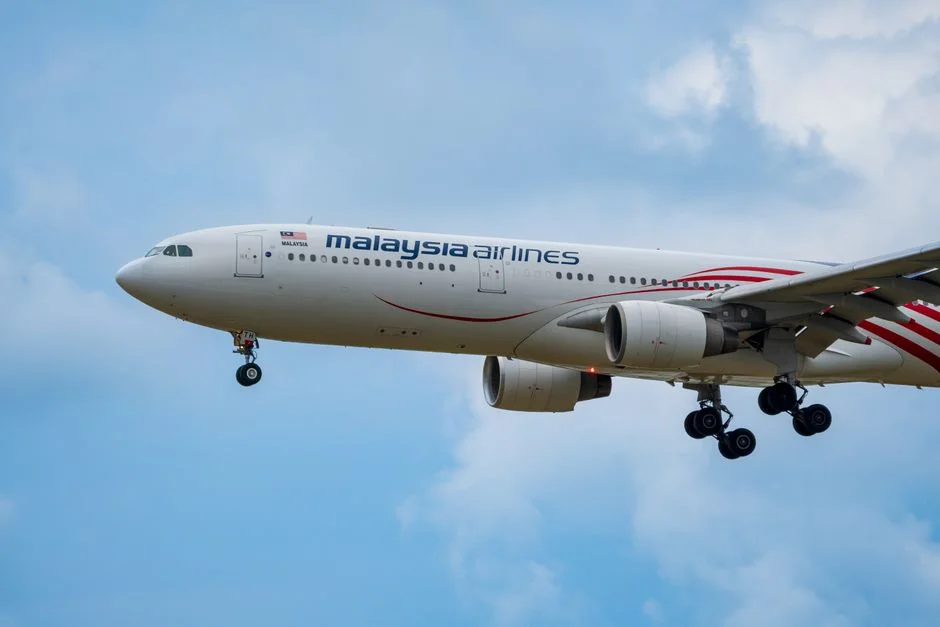
Tourism Malaysia this week rolled out a targeted strategy to reclaim the Chinese visitor market, an initiative that carries significant weight for the country's hospitality sector, retail businesses, and broader economic growth targets. The campaign arrives as regional competitors ramp up their own efforts to attract travellers from mainland China, the world's largest outbound tourism market. Officials estimate that reversing the decline in Chinese arrivals could inject billions into the Malaysian economy over the coming years.
A Strategic Priority for Kuala Lumpur
The Ministry of Tourism, Arts and Culture has designated China as one of five priority markets under the Visit Malaysia 2026 campaign. Malaysia previously topped 12 million international arrivals in peak years, with Chinese visitors historically ranking among the top three source markets. The new strategy focuses on direct air connectivity, streamlined visa processes, and partnerships with Chinese digital platforms where travel decisions increasingly happen. Tourism Malaysia confirmed it will allocate dedicated marketing spend to positions in Shanghai, Beijing, and Guangzhou.
Why Chinese Tourists Matter to Malaysian Businesses


Chinese travellers have historically ranked among the highest per-capita spenders in Malaysia, particularly in duty-free zones, luxury retail corridors, and five-star hotel districts. A single Chinese tour group can generate revenue equivalent to dozens of individual travellers from other markets. That spending power ripples through the economy, supporting jobs in transportation, food services, and local artisan shops. The absence of those visitors over recent years left a visible gap in tourist receipts, prompting sustained pressure from the Malaysian Association of Hotels and retail operators for government action.
Competitors Intensify the Race
Thailand, Vietnam, and Singapore have all launched aggressive campaigns targeting Chinese visitors, offering extended visa exemptions and Mandarin-language services. Thailand alone welcomed over 11 million Chinese visitors in 2019 and is working to match that volume again. Malaysia's tourism board acknowledged the competitive pressure in its strategy document, noting that geographic proximity alone no longer guarantees market share.
Singapore's Role as a Transit Hub
For Singapore-based travellers considering regional getaways, Malaysia's campaign carries direct relevance. Singapore's Changi Airport serves as a major departure point for Chinese tourists entering Southeast Asia, and many combine a Singapore stopover with a road trip to Johor Bahru or a short flight to Penang or Langkawi. Tourism Malaysia's plan includes specific provisions for cross-border packages designed to capture travellers already in the region. Industry observers suggest this dual-destination approach could benefit both city-states, though it also raises questions about how visitor spending gets divided.
What the Numbers Show
Tourism contributes roughly 15 percent of Malaysia's gross domestic product when indirect effects are factored in, making the sector a structural pillar of the economy. Before the pandemic, Chinese arrivals peaked at nearly 3.1 million in 2019, according to figures compiled by the United Nations World Tourism Organization. Rebuilding toward those levels represents a multi-year target rather than an immediate outcome. Tourism Malaysia has not disclosed a specific numerical goal for the first year of its new strategy but has indicated it expects measurable growth by the second half of the current tourism plan cycle.
What to Watch Next
The first concrete test of the strategy will come during the Chinese Golden Week holiday in October, when mainland travel surges and airlines add capacity to regional routes. Aviation data trackers will be monitoring seat availability between Chinese cities and Malaysian destinations as an early signal of demand recovery. Tourism Malaysia has scheduled a roadshow across three Chinese cities in September, featuring partnerships with major online travel agencies. Whether those bookings translate into actual arrivals will determine whether the campaign delivers on its economic promise or joins a longer list of ambitious tourism targets that fell short.
See Also
- Miguel Maya Confirms Sonangol's Commitment to Fosun Amid Financial Uncertainty
- Western Cape Court Convicts 'Most Wanted' Fulu for Murdering Police Officer
Singapore's Changi Airport serves as a major departure point for Chinese tourists entering Southeast Asia, and many combine a Singapore stopover with a road trip to Johor Bahru or a short flight to Penang or Langkawi. Industry observers suggest this dual-destination approach could benefit both city-states, though it also raises questions about how visitor spending gets divided.What the Numbers ShowTourism contributes roughly 15 percent of Malaysia's gross domestic product when indirect effects are factored in, making the sector a structural pillar of the economy.