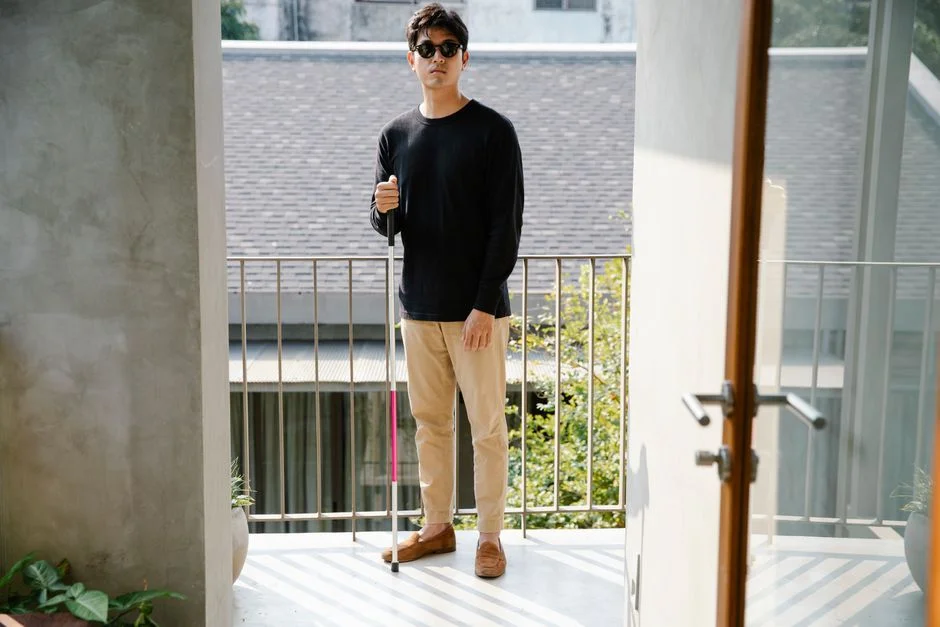
Guo Bin from Shanxi province lost his sight as a young child. Last month, he sat China's grueling national university entrance exam, known as the gaokao. He passed with flying colours. Now 18, Guo has made an unusual choice for his future: he wants to study medicine so he can help others the way strangers once helped him.
A personal motto shapes a nation
Guo calls his philosophy "pass on the warmth." It is a simple idea. When someone helps you, you later help someone else. Reporters in Shanxi asked him why medicine. He told them he had received so much support from teachers, family, and medical professionals over the years. Becoming a doctor felt like the natural way to return that kindness.
His story spread quickly on Chinese social media. Posts bearing his motto accumulated millions of views within days. Many users left comments praising his resolve. Some said his example had shifted how they thought about their own setbacks.
What this means for China's healthcare ambitions

China faces a documented shortage of general practitioners. Rural areas feel the pinch most acutely. Medical schools in the country produce tens of thousands of graduates annually, yet many prefer specialised urban practices over community clinics. Guo has signalled he wants to work where patients need doctors most.
Disability representation in the workforce
Fewer than one percent of China's medical professionals have visible disabilities. That figure comes from government data on registered healthcare workers. Advocates for disabled communities say such numbers send a discouraging signal to young people with similar conditions. Guo Bin's public profile may begin to change that calculation.
For businesses watching China's healthcare sector, talent pipelines matter enormously. Disability-inclusive hiring policies are gaining attention from regulators and investors alike. A high-profile case like Guo's could accelerate policy discussions in Beijing.
Education equality under the microscope
The gaokao is notorious for its intensity. Students spend years preparing for the two-day exam that largely determines university placement. Blind candidates can request special accommodations, including readers and extended time. Guo used these provisions. His score placed him among the top performers at his school level.
Shanxi's education bureau confirmed Guo received standard support measures. Officials declined to specify his exact score, citing privacy regulations for students with disabilities. His school principal, cited by local media, called the result "a reflection of years of dedicated support from the entire teaching team."
Singapore investors watch closely
Singapore maintains significant stakes in Chinese healthcare through listed companies and joint ventures. Market analysts track social trends that could reshape labour availability in the sector. Guo Bin's story does not directly move markets, but it illustrates a broader pattern: Chinese authorities are increasingly sensitive to disability rights as a component of social stability.
For portfolio managers focused on China, disability inclusion represents both a compliance issue and a reputational one. Companies that ignore the segment risk regulatory friction. Those that engage early may find new customer bases underserved by competitors.
The road ahead for Guo
Guo has submitted his preferences to the national university placement system. Medical programmes typically finalise admissions by late August. He is waiting to learn which institution will accept him.
Whether he ends up in a bustling city hospital or a countryside clinic remains uncertain. What is clear is that his decision has already influenced how millions of Chinese viewers think about what is possible. That kind of shift does not show up in quarterly reports. But it shapes the human capital that drives them.
See Also
- Govt Suspends 60% Free Flight Seat Rule — Airline Prices Set to Rise
- French Mayoral Elections Gauge Far-Right Strength Before Presidential
His school principal, cited by local media, called the result "a reflection of years of dedicated support from the entire teaching team."Singapore investors watch closelySingapore maintains significant stakes in Chinese healthcare through listed companies and joint ventures. Market analysts track social trends that could reshape labour availability in the sector.
What is the latest news about blind chinese teen tops gaokao chooses medicine to pass on the warmth?
Why does this matter for economy-business?
What are the key facts about blind chinese teen tops gaokao chooses medicine to pass on the warmth?