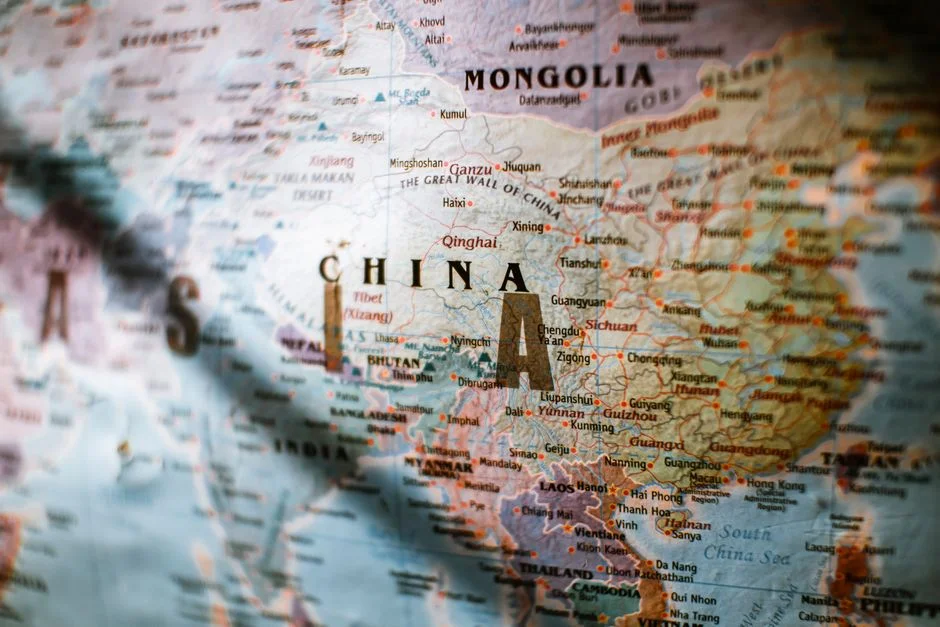
China imposed export restrictions on critical materials bound for American defense manufacturers on Monday, firing back at U.S. semiconductor sanctions in an escalation that threatens to disrupt billions of dollars in cross-Pacific trade and send shockwaves through global supply chains.
Beijing's Tit-for-Tat Response
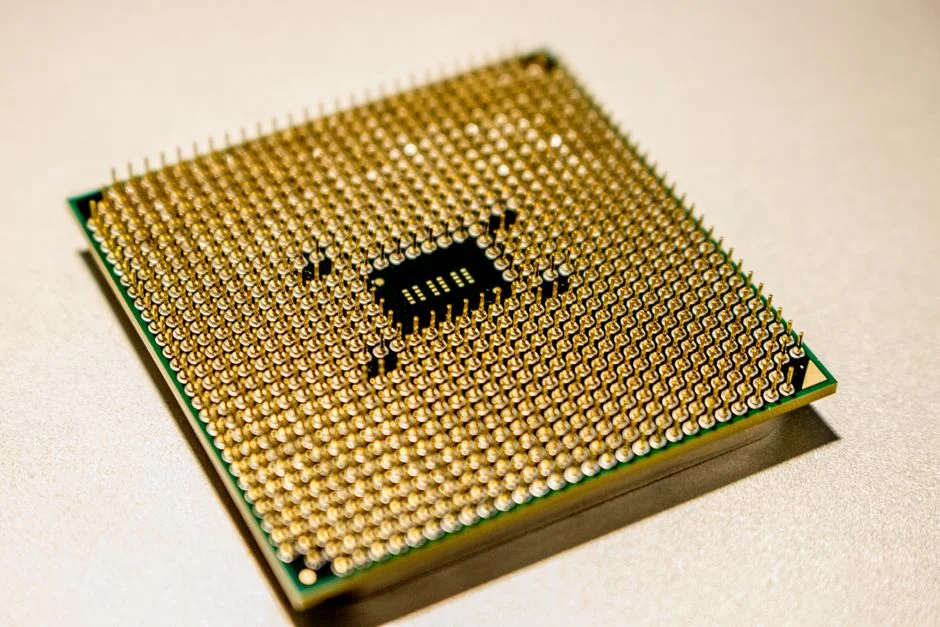
The Chinese commerce ministry confirmed the new controls target rare earth elements and advanced materials used in missile systems, fighter jets, and radar equipment. The measures directly counter Washington's expanded chip export bans announced last month, which barred Nvidia and other firms from selling sophisticated semiconductors to Chinese clients.
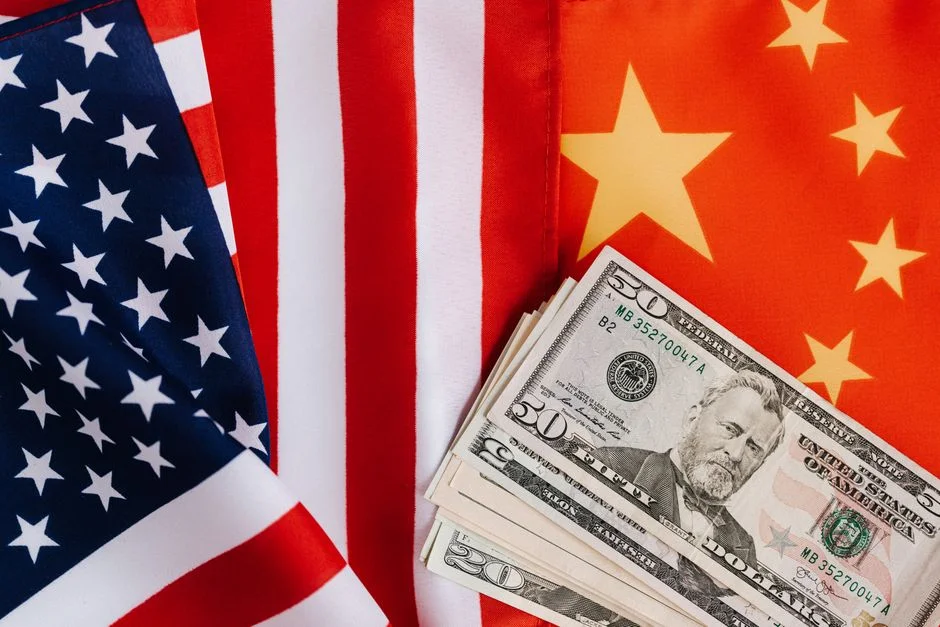
"These restrictions apply to materials essential for American weapons production," a ministry spokesperson stated at a press briefing in Beijing. "Any company seeking exceptions must submit detailed applications and demonstrate end-use compliance."
American Defense Firms Face Supply Shock


The announcement immediately rattled defense contractors with significant manufacturing exposure in China. Industry data shows American defense firms imported roughly $3.4 billion worth of specialized components and materials from Chinese suppliers last year alone.
The restrictions cover gallium, germanium, and rare earth compounds that American weapons makers use in guidance systems, communication equipment, and thermal imaging sensors. Companies like Lockheed Martin and Raytheon Technologies have not disclosed the full extent of their Chinese supplier dependencies, but analysts say both maintain purchasing relationships for precision components.
The Rare Earth Vulnerability
China controls approximately 85 percent of global rare earth processing capacity, giving Beijing substantial leverage in any trade confrontation. The country's dominance means American manufacturers have few immediate alternatives, even as the Pentagon has spent years attempting to build domestic processing capacity.
"This isn't just about current inventory levels," said one Washington-based trade analyst who tracks defense supply chains. "Building new processing facilities takes a decade, and the expertise is concentrated in China."
Market Reaction and Investor Anxiety
Shares of major American defense contractors fell between 2 and 4 percent in after-hours trading following the announcement. The Philadelphia Semiconductor Index, which tracks chip industry stocks, dropped 1.8 percent as investors weighed the risk of reciprocal measures affecting broader technology trade.
Bond markets showed limited reaction initially, though analysts at several Singapore-based institutions flagged the escalation as a potential inflation risk if defense manufacturers face higher input costs. Rare earth prices on global commodity exchanges jumped 6 percent within hours of Beijing's confirmation.
Singapore's Position in the Crossfire
For Singapore's economy, the escalation carries particular weight. The Republic serves as a regional hub for semiconductor testing and packaging operations, with facilities handling components that ultimately flow to American and Chinese end markets.
Local logistics firms and warehouse operators have already reported increased inquiries from companies seeking to route materials through alternative channels. Singapore's position as a neutral trading hub makes it a natural transit point when direct routes become complicated, industry executives noted.
"We're seeing nervousness, but not panic," said one executive at a Singapore-based defense supplier who asked not to be identified. "Companies are running stress tests on their supply chains right now."
Global Supply Chain Fragility Exposed
The announcement underscores how deeply entangled the American and Chinese defense industrial bases have become despite years of political friction. Components sourced from Chinese factories appear in supply chains that ultimately feed U.S. military procurement, creating legal and logistical complications for any broader decoupling effort.
The Pentagon has acknowledged that complete decoupling would require massive government investment in domestic and allied manufacturing capacity. Current estimates suggest establishing meaningful alternative rare earth processing outside China would require $15 billion or more in capital expenditure over at least seven years.
What Comes Next
Washington has indicated it will review the Chinese measures and consider whether additional export controls or diplomatic engagement better serves American interests. Trade representatives from both countries are expected to meet in Geneva next month for previously scheduled consultations on technology trade.
For now, American defense firms have 30 days to apply for export licenses under China's new framework. Industry executives warn that approval timelines remain unclear, and companies without sufficient inventory buffers could face production delays within weeks.
Markets will watch commodity prices and defense contractor earnings guidance closely over the coming quarter to assess whether this round of escalation produces lasting supply chain shifts or prompts a negotiated de-escalation before permanent damage to trade relationships occurs.
See Also
- Champions League Sparks Economic Boost — Posiblemente's Impact Explored
- North West Braces for Severe Storms as Weather Service Warns of Flood Risks