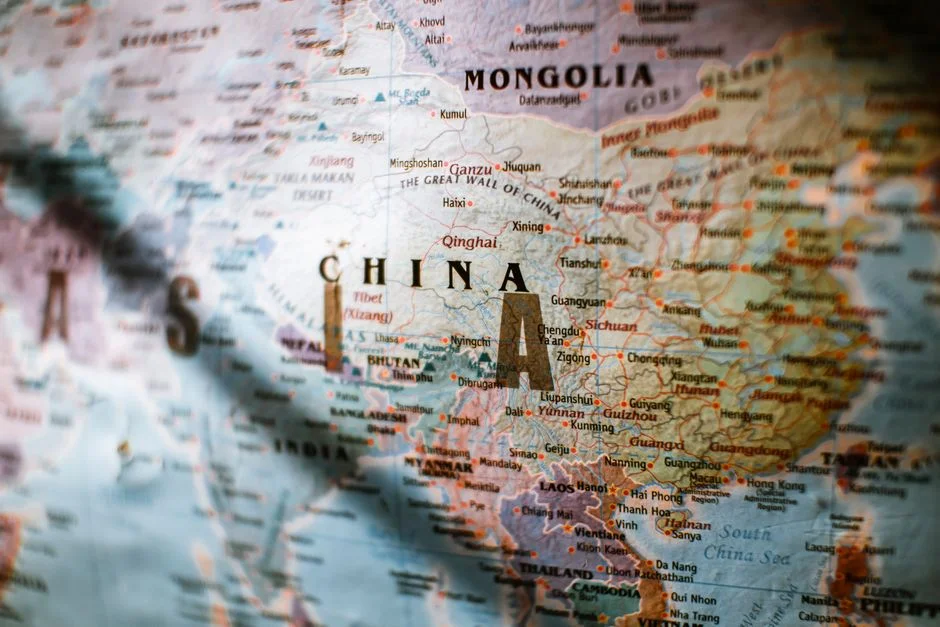
DeepSeek, the Chinese artificial intelligence startup that sent shockwaves through global markets earlier this year, is now developing its own semiconductor, according to three people familiar with the matter. The move puts the company on a potential collision course with Huawei, China's dominant chip designer, and raises fresh questions about Beijing's ambitions to build a fully independent AI supply chain.
A Direct Challenge to Huawei's Dominance
The chip project remains in its early stages, one of the sources said. Engineers at DeepSeek have been exploring designs for inference accelerators, a type of semiconductor optimised for running AI models rather than training them from scratch. The effort reflects a broader strategy to reduce dependence on external suppliers, particularly Nvidia, whose processors have become increasingly difficult for Chinese firms to obtain under American export restrictions.
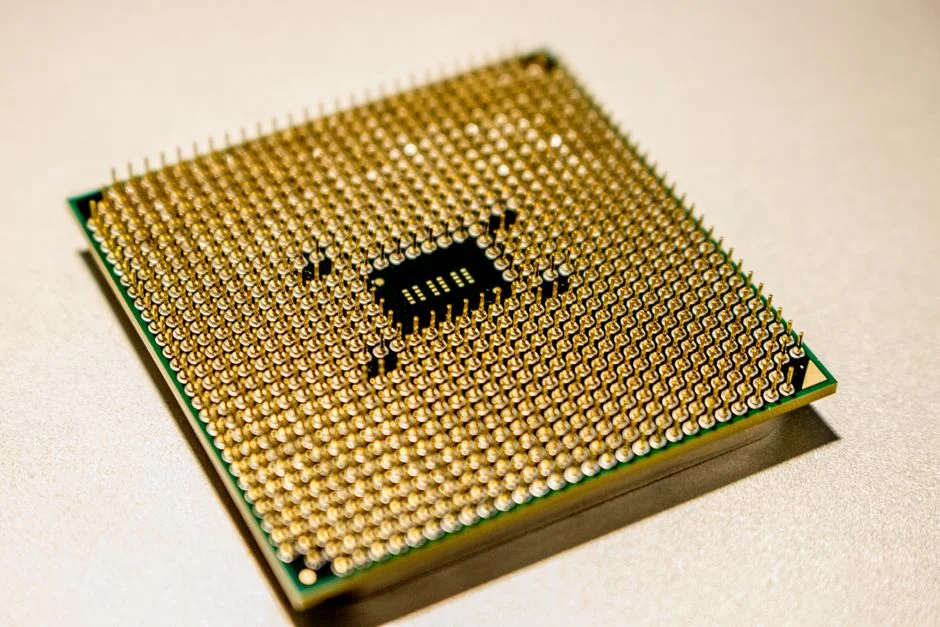
Huawei currently leads China's domestic AI chip market through its Ascend series, which the company has positioned as a substitute for Nvidia's banned accelerators. If DeepSeek succeeds in bringing its own hardware to market, it would represent a significant split in how China's AI industry sources its computational infrastructure.
Why This Matters for the Chip Market

Semiconductor stocks in Asia have seesawed since DeepSeek's emergence in January, when the company released a model that rivalled leading American products at a fraction of the development cost. That announcement triggered a selloff in Nvidia shares and renewed debate about whether Washington's technology restrictions were achieving their intended effect.
Now, with DeepSeek moving into hardware, the competitive dynamics are shifting again. Investors in chip designers, foundries, and equipment makers will need to assess whether a new entrant could erode Huawei's market share or whether sufficient demand exists to sustain multiple domestic players.
Investment Implications
For funds with exposure to Chinese technology, the development introduces fresh uncertainty. Huawei has secured billions in government backing and enjoys preferential treatment in state procurement. A DeepSeek chip would need to prove it could match performance and reliability standards set by Huawei's established ecosystem, which includes partnerships with major cloud providers and academic institutions.
Supply chain companies, particularly those involved in advanced packaging and memory components, could see increased demand if multiple Chinese AI firms compete for scarce silicon. TSMC's Hong Kong-listed shares and Samsung Electronics have already drawn attention from investors monitoring how demand from mainland clients evolves.
The Regulatory Dimension
Washington's export controls have reshaped China's AI landscape in ways that neither American policymakers nor Beijing fully anticipated. By restricting access to cutting-edge chips, the measures pushed Chinese companies toward innovation with constrained resources. DeepSeek's efficiency breakthrough demonstrated that constraint could spur creativity rather than simply stifling progress.
The company's move into chip design represents the next phase of that dynamic. If DeepSeek can produce viable domestic hardware, it would further reduce the leverage American sanctions provide. Conversely, if the project stalls or produces inferior results, it would reinforce the argument that export controls are working as designed.
What Happens Next
Observers should watch for signs that DeepSeek is hiring chip designers or partnering with foundries capable of producing advanced processors. The company's existing relationships with firms like Alibaba and ByteDance could prove valuable if it seeks customers for a new product. State-backed investment funds may also play a role in financing the effort, though the specifics of any such backing remain unclear.
The broader question for global markets is whether China's AI sector will consolidate around a single domestic champion or fragment into competing clusters, each with its own hardware and software stack. DeepSeek's chip ambitions suggest the latter outcome is becoming more likely, with consequences for every company that sells into or competes with the Chinese technology ecosystem.
See Also
- Fossil DNA Reveals Horses Reached Europe via Ancient China — and the Finding Is Already Reshaping Science
- SAP Seizes Nayara — India’s Energy Market Faces Disruption
DeepSeek's chip ambitions suggest the latter outcome is becoming more likely, with consequences for every company that sells into or competes with the Chinese technology ecosystem. See AlsoFossil DNA Reveals Horses Reached Europe via Ancient China — and the Finding Is Already Reshaping ScienceSAP Seizes Nayara — India’s Energy Market Faces Disruption