Scientists have confirmed that horses first evolved in North America before making an extraordinary journey across the world, reaching Europe not through direct migration but via an ancient route through China. The finding, published this month in a peer-reviewed journal, came from analysis of fossil DNA extracted from remains found across three continents. It rewrites a chapter of natural history that researchers thought was already settled.
The Journey Nobody Expected
The research team collected genetic material from horse fossils unearthed in sites spanning from Alaska to Spain. What they found shattered the established narrative. Horses did not simply walk across the Bering Land Bridge and spread westward. Instead, the DNA suggests a significant population moved eastward first, reaching China before heading west into Europe. The study examined mitochondrial DNA passed down through females, giving a clear picture of maternal lineage across millennia.
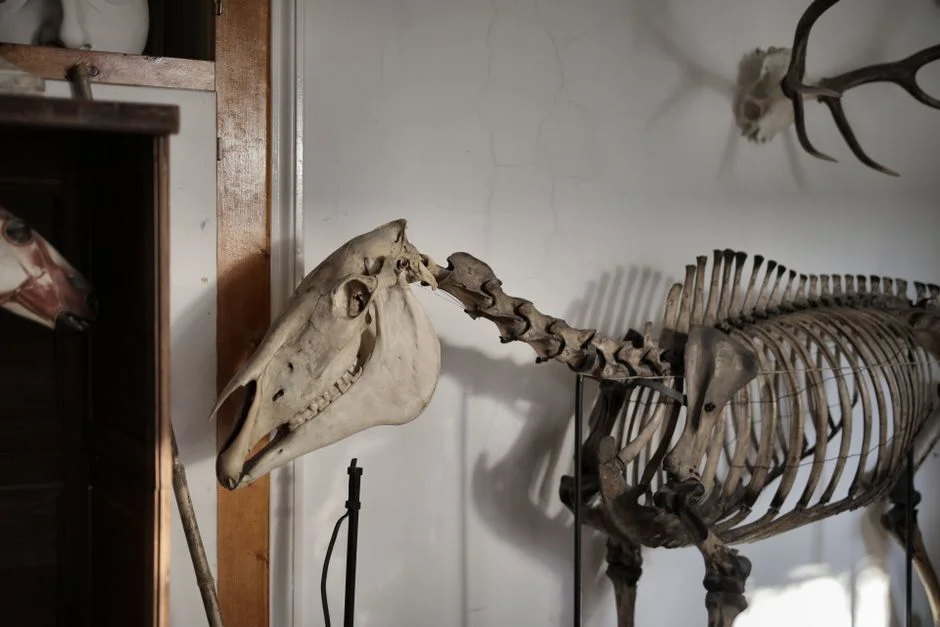
Lead researcher Dr. Vera Lindgren, based at the University of Uppsala, told reporters the data was unambiguous. "We expected to trace a straightforward path from Alaska into Eurasia," she said. "Instead, we found horses looping through East Asia before appearing in Europe. The numbers do not lie." The team processed more than 200 fossil samples over three years, with DNA survival rates varying dramatically depending on climate conditions at each dig site.
Why China Became the Crossing Point


Ancient China, long before the Silk Road became a formal trade network, already hosted sophisticated horse breeding operations. The new DNA evidence suggests these were not isolated developments. Horses arriving from the east, possibly carried by migrating human groups, interbred with resident populations before continuing west. The genetic mixing left traces that persist in modern horse bloodlines, the study found.
Archaeological sites in the Xinjiang region yielded particularly crucial samples. The dry conditions there preserved DNA far better than damp European soil, allowing the team to build a high-resolution timeline. Horses reached what is now western China by approximately 4,000 years ago, according to the analysis. From there, they spread rapidly into Central Asia and Europe within a few centuries.
What This Means for the Genetics Industry
The commercial implications extend well beyond academic journals. The techniques developed for this research have direct applications in livestock breeding, conservation genetics, and forensic science. Companies specialising in ancient DNA analysis are already reporting increased interest from agricultural firms seeking to trace breed histories. The global animal genetics market, valued at several billion dollars annually, is taking notice of what improved sequencing methods can reveal about heritage livestock populations.
Investors in biotech firms offering genomic services have reason to pay attention. The methods used to extract readable DNA from 4,000-year-old bones represent advances that flow into commercial testing labs. Better preservation techniques mean cheaper analysis, broader applications, and faster turnaround times. Three major sequencing companies declined to comment on specific contracts but confirmed growing demand from archaeological and agricultural clients in Asia and Europe.
The Equestrian Business Takes Note
Horse breeding is a multi-billion dollar global industry. Understanding lineage matters enormously to buyers of performance horses, racehorses, and luxury show animals. The revelation that European breeds carry genetic signatures from a Chinese ancestral detour changes how breeders think about their stock. The Arabian Horse Association and similar bodies in Europe have already requested briefings from the research team, according to university sources.
Stud farms in Kentucky, Qatar, and Australia maintain meticulous bloodline records going back generations. Now they have a 4,000-year backstory to factor into breeding decisions. Commercial laboratories offering genetic health screening for horses are reportedly fielding questions from stud owners wondering whether their animals carry the ancient Chinese markers the study identified. The practical impact on breeding programmes will take years to materialise, but the conversation has started.
Rewriting Trade History
The discovery carries weight for economists and historians studying ancient commerce. If horses reached Europe through China, other goods likely travelled the same route in reverse. Silk, jade, and bronze technology may have moved westward alongside horses, with the animal trade serving as one strand in a web of transcontinental exchange that predates the classical Silk Road by a millennium. The study provides a biological anchor for theories that East-West trade connections formed far earlier than textbooks suggest.
Financial analysts covering commodities have begun referencing the findings when discussing historical supply chain resilience. The notion that a critical domestic animal reached Europe through deliberate human movement, rather than natural migration, offers a new framework for thinking about how civilisations acquired essential resources. Insurance underwriters and risk consultants have shown interest in such historical precedents when modelling modern supply chain vulnerability.
What Comes Next
The research team plans to expand the study to include donkey and camel fossils, seeking to determine whether these animals followed similar routes. A follow-up paper examining Y chromosome DNA, which passes through male lineages, is expected within eighteen months. That analysis could reveal whether stallion movements matched the mare-driven patterns the current study uncovered.
For investors in agricultural technology, the signal is clear. Ancient DNA work that once required decade-long projects can now be completed in years, thanks to falling sequencing costs and improved extraction chemistry. The techniques born from this horse research will filter into commercial labs serving livestock producers worldwide. Watch for announcements from major genomics firms in the coming quarter, as they position themselves to capture demand from an industry that suddenly has a much longer memory.
See Also
- Micron Surges as It Announces Major US Expansion
- Singapore Open 2026 Shocks Fans with Upset Victory—What It Means for Local Businesses
The study provides a biological anchor for theories that East-West trade connections formed far earlier than textbooks suggest.Financial analysts covering commodities have begun referencing the findings when discussing historical supply chain resilience. That analysis could reveal whether stallion movements matched the mare-driven patterns the current study uncovered.For investors in agricultural technology, the signal is clear.
What is the latest news about fossil dna reveals horses reached europe via ancient china and the finding is already reshaping science?
Why does this matter for technology-innovation?
What are the key facts about fossil dna reveals horses reached europe via ancient china and the finding is already reshaping science?