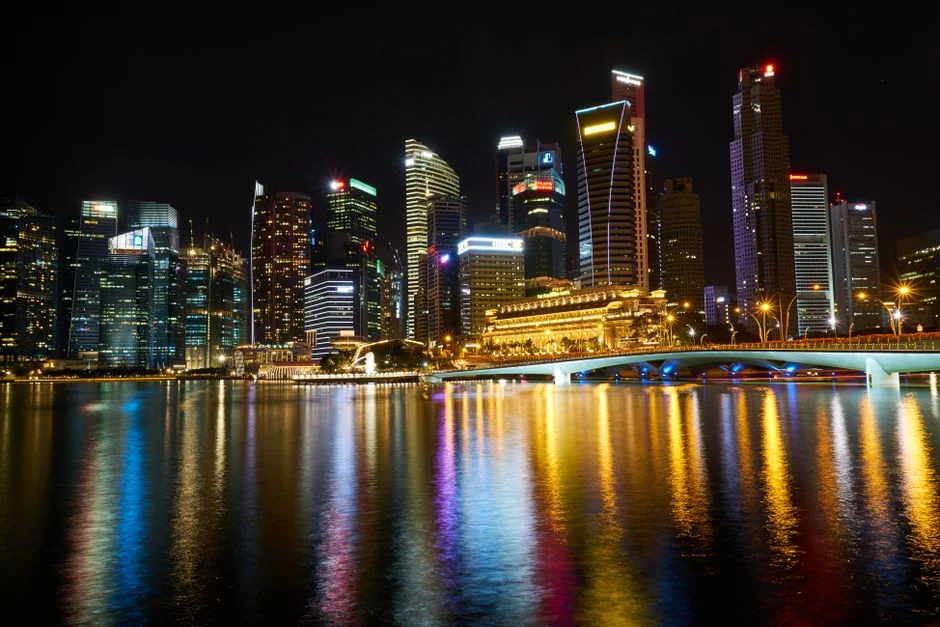
Singapore police have issued a stark warning to BTS fans planning to attend the upcoming concert in the city-state, urging concertgoers to purchase tickets exclusively through official channels or risk falling victim to sophisticated scams. The advisory from the Singapore Police Force and the Consumer Association of Singapore came as ticket sales for the highly anticipated show drew massive interest across the region.
Police Alert Over Rising Ticket Fraud
Officers have documented a sharp increase in reports involving fake or inflated ticket listings for major events, with BTS concerts consistently ranking among the most targeted. Scammers typically create convincing social media posts, clone legitimate ticketing websites, and offer seats at prices that seem too good to pass up. Once payment is transferred, buyers discover the tickets never existed or were never delivered.
The Commercial Affairs Department confirmed it has been tracking online marketplaces and social media groups where tickets are advertised. Authorities are working with platform operators to identify and remove fraudulent listings before they trap unsuspecting fans.
How the Scams Operate
Investigators have identified several common tactics used by ticket fraudsters. Some create fake websites that mirror the design of official ticketing portals, using similar domain names and even displaying fake countdown timers to create urgency. Others operate within social media groups, claiming to have spare tickets from cancelled plans and requesting payment through methods that offer no buyer protection.
Buyers are advised to verify any ticketing website by checking for secure payment indicators and confirming the URL matches the official event organiser's domain. The police advisory specifically mentioned that fans should never send money via gift cards, wire transfers, or cryptocurrency when purchasing event tickets.
Red Flags to Watch For
The Consumer Association of Singapore listed several warning signs fans should recognise. Tickets priced significantly below face value almost always indicate a scam. Sellers who refuse to meet in person or who insist on communicating only through direct messaging should be treated with suspicion. Additionally, any request to complete transactions outside of established ticketing platforms breaks the chain of accountability that protects buyers.
Official Sales Channels Only
CASE has emphasised that legitimate BTS concert tickets for Singapore events are available only through authorised resellers and the primary ticketing platform designated by the event promoter. Fans who purchase from unofficial sources have little to no recourse if the tickets prove invalid or non-existent.
The association noted that legitimate resale platforms exist and offer buyer guarantees, though prices on these platforms often exceed face value substantially. The choice between paying premium prices on verified platforms versus risking fraud on unverified channels is one that fans must weigh carefully.
Market Impact and Economic Context
The demand for BTS concert tickets in Singapore reflects a broader trend in the live entertainment sector, where limited supply meets enormous consumer interest. Concert promoters and venue operators benefit from this dynamic, as premium pricing on secondary markets can substantially increase revenue even when face-value tickets sell out within minutes.
Ticketing companies have invested heavily in technologies designed to block bots and limit scalping, though determined fraudsters continue to find workarounds. The economic stakes are considerable, with a single BTS concert generating tens of millions of dollars in ticket sales, merchandise, hospitality, and tourism revenue for the host city.
Consumer Rights and Recourse
Singapore law provides limited protections for buyers who purchase tickets through unofficial channels. CASE advises fans to document all communications with sellers, retain payment receipts, and report suspected fraud immediately through the police hotline or the ScamShield application. Early reporting increases the chances of recovering funds before scammers move the money.
The association acknowledged that prevention remains the most effective strategy. Once money changes hands to an anonymous seller operating through untraceable channels, recovery becomes unlikely. This reality makes verification before purchase essential rather than optional.
What Fans Should Do Next
Authorities are urging fans to share scam warnings within their social networks, particularly among younger concertgoers who may be less familiar with online fraud tactics. Community vigilance has proven effective in reducing the success rate of mass-market scams targeting major events.
The police have committed to increasing monitoring of online ticket sales in the lead-up to the concert date. Fans who encounter suspicious listings can report them directly through the government portal or the platform where the listing appears.
Looking Ahead
Authorities expect scam attempts to intensify as the concert date approaches and remaining tickets become scarcer. The desperation of fans unable to secure tickets through official channels creates exactly the conditions that fraudsters exploit. Fans should set realistic expectations about pricing and be prepared to either pay premium rates on verified resale platforms or accept that they may not attend the show.
Both the police and CASE have indicated they will issue updated advisories as the event date nears. Fans are encouraged to check official government channels for the latest guidance and to verify any ticket purchase through the official event website before completing transactions.
See Also
- Supreme Court Clears Reliance Industries of ₹447 Crore Disgorgement Order
- HK Debt Fire Sales Trigger Regional Market Panic