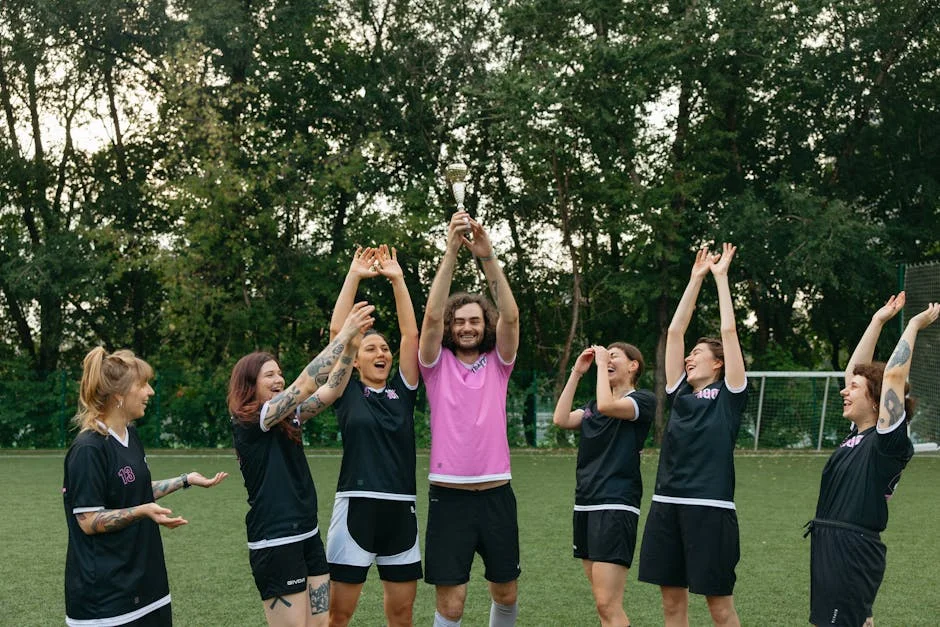
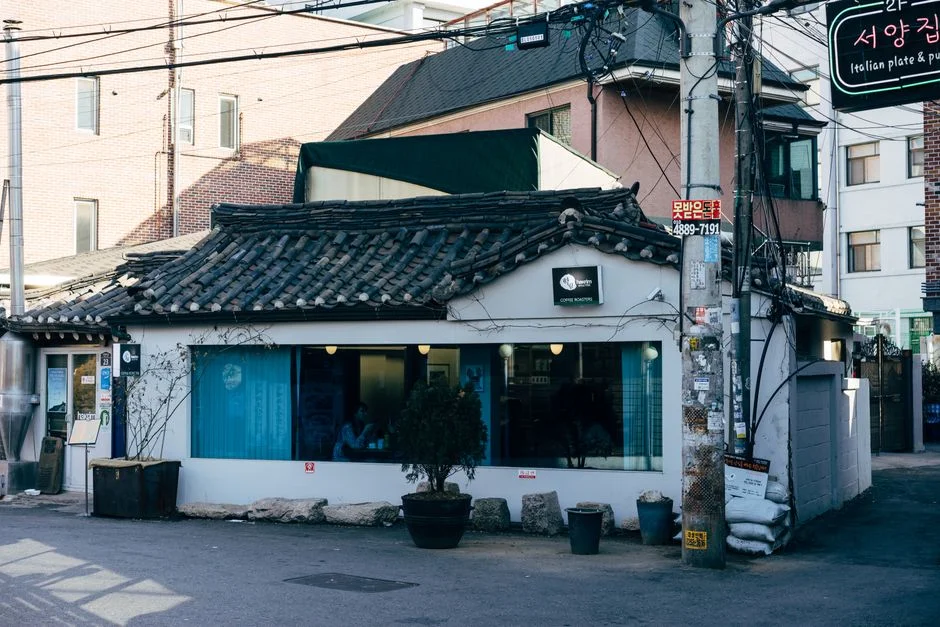
As South Korea's national football team battles through the World Cup group stage, something unexpected is unfolding in Los Angeles. Restaurants and sports bars across Koreatown are filling with dual fan bases — Korean Americans and Mexican Americans cheering side by side. The phenomenon has given local businesses an unexpected boost heading into the knockout rounds.
Cultural Connection Becomes Commercial Opportunity
For decades, Koreatown in Los Angeles has hosted one of the most diverse immigrant communities in California. Mexican and Korean residents have lived alongside each other, building shared spaces in a city of 4 million people. Now the World Cup is turning that neighbourhood solidarity into measurable economic activity. Restaurant owners report watching parties that draw crowds far beyond their usual weekend traffic.
Yun Ji-won, who runs a Korean BBQ establishment on Vermont Avenue, said she has never seen her dining room so packed during an international tournament. "We added extra televisions and extended our kitchen hours," she told local media. "The energy is completely different when both communities show up together."
What the Numbers Show


Fox Sports, which holds U.S. broadcast rights for the tournament, reported that opening match viewership in the United States reached 40 million viewers across platforms. That figure matters for advertisers and local businesses alike, because high viewership translates to consumers spending more time in public spaces rather than watching alone at home.
For Koreatown establishments, the spillover effect is tangible. Sports bars with Korean-Mexican fusion menus are emerging as Instagram destinations, driving free marketing that translates to walk-in customers. Even traditional taquerias near Olympic Boulevard have started stocking Korean beer and soju to accommodate the mixed crowds.
Advertising Revenue and Local Spending
Broadcast networks charge premium rates for World Cup commercial slots. Major brands have already committed over $1 billion in advertising across the tournament duration, according to industry trackers. But the money flows both ways. Local businesses in Los Angeles spent an estimated $15 million collectively on World Cup promotions, including sponsorships of viewing events and social media campaigns targeting bilingual audiences.
The connection between South Korea and Mexico extends beyond Los Angeles. Both nations sent national teams to the 2026 World Cup, which the United States, Canada, and Mexico will jointly host. That future tournament has already prompted infrastructure investment discussions in California, where officials expect visitor numbers to surge.
Business Owners Adapt Their Strategies
Restaurant operators in the neighbourhood have responded by expanding their menus and operating hours. Many now stay open past midnight for late matches originating from Qatar. Delivery platforms have noted a 35 percent spike in orders from Koreatown addresses during match days, according to data shared by DoorDash with regional partners.
Some establishments have gone further, hosting bilingual trivia nights and cultural exchange events tied to the matches. The goal is to build customer loyalty that extends beyond a single tournament.
"World Cup fans are incredibly loyal to places that treat them well," said Marcus Chen, who manages a chain of sports lounges across Los Angeles. "If you create the right atmosphere, they come back for every major competition."
Looking Ahead to the Knockout Rounds
South Korea faces a crucial group stage match in the coming days that could determine whether the country advances. If the team progresses, analysts expect viewership numbers to climb further and local business activity to intensify. Korean-owned businesses in Los Angeles stand to benefit most directly, but the broader economic ripple effects — including increased foot traffic for neighbouring Mexican restaurants and retail shops — could reshape how investors view multicultural commercial zones.
The 2026 World Cup looms larger on the horizon. With the tournament returning to North America, Los Angeles has already been announced as a host city for matches at a revamped stadium. City officials are studying how events like the current World Cup can serve as dry runs for managing massive fan flows across diverse communities.
See Also
- IMH Blood Test Predicts Psychosis, Reshaping SG Health Economics
- UAE Locks In 30 Million Barrels for India — Energy Security Shift
Major brands have already committed over $1 billion in advertising across the tournament duration, according to industry trackers. "If you create the right atmosphere, they come back for every major competition."Looking Ahead to the Knockout RoundsSouth Korea faces a crucial group stage match in the coming days that could determine whether the country advances.
What is the latest news about world cup draws 40 million us viewers and sparks a mexicankorean bond in los angeles?
Why does this matter for sports?
What are the key facts about world cup draws 40 million us viewers and sparks a mexicankorean bond in los angeles?