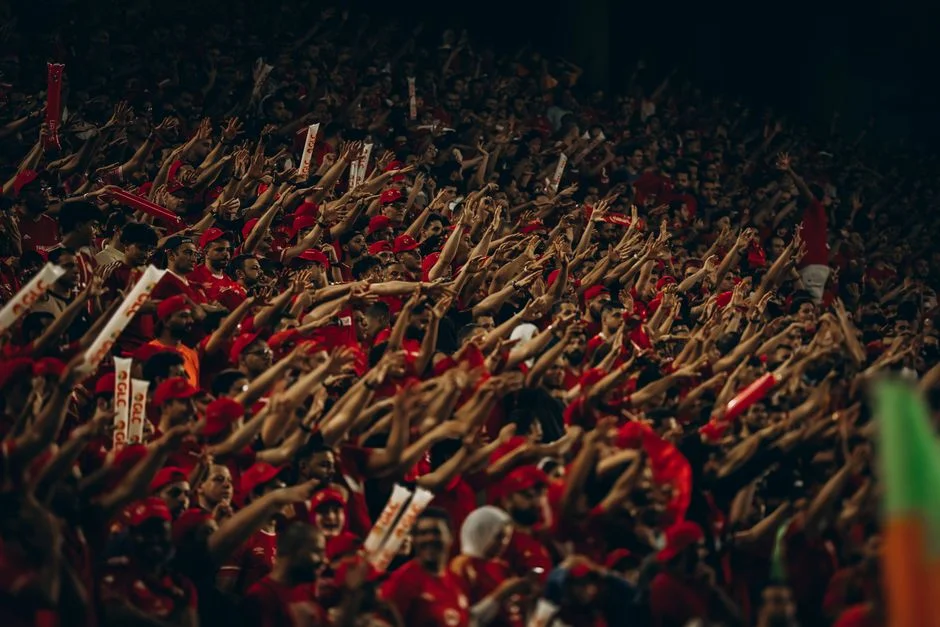
The New Zealand men's football team claimed a 2-0 victory over Haiti in the first of two international friendlies played in Auckland this week, setting the stage for a commercially significant return fixture scheduled for Saturday at the same venue. The matches represent a rare opportunity for both nations to test their squads against unfamiliar opposition ahead of major tournament qualifiers, with broadcast rights, sponsorship revenue, and commercial partnership potential hanging in the balance.
Match Results and Tactical Breakdown
Saturday's opening fixture at Auckland's North Harbour Stadium drew a crowd of 12,347 spectators, with New Zealand's Chris Wood scoring both goals in the second half to secure the comfortable win. Haiti, ranked 87th in the world by FIFA, struggled to break down a well-organised New Zealand defence throughout the match. The All Whites, ranked 25 places higher at 62nd, controlled possession for long stretches and created the clearer chances on goal.
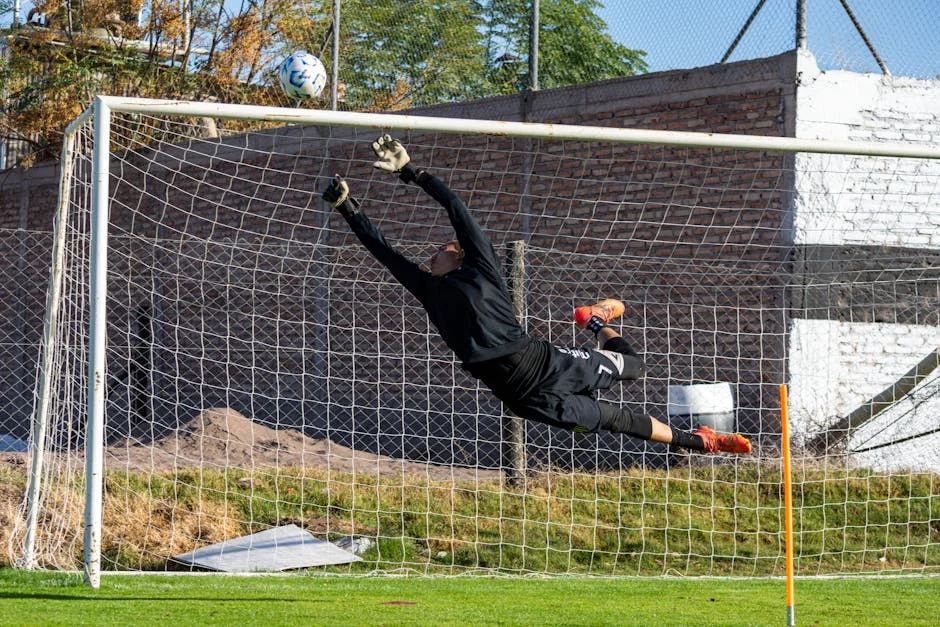
The second match, also at North Harbour Stadium, ended in a 1-1 draw, giving Haiti a moral boost ahead of their CONCACAF Nations League commitments. Forward Delon Xavier, who plays for French Ligue 2 club Pau, scored the equaliser in the 78th minute after New Zealand had taken an early lead through a first-half penalty. Both coaches used the matches to blood younger players, with Haiti fielding three uncapped players across the two games.
Commercial Value of International Friendlies


For New Zealand Football, these matches carry significant commercial weight beyond the pitch. The organisation receives a guaranteed appearance fee reported at NZD 500,000 per match from Football Federations International, the agency that coordinates bilateral friendly arrangements. Haiti's national federation, while receiving a smaller guaranteed payment, benefits from the exposure in a major broadcasting market and the opportunity to build commercial relationships with New Zealand sponsors.
Broadcasting rights for the matches were sold to Sky Sport New Zealand, with the network paying an estimated NZD 180,000 for exclusive coverage of both fixtures. The deal reflects the growing appetite for international football content in New Zealand, where the sport's commercial value has risen steadily since the 2022 FIFA World Cup drew record television audiences.
Sponsorship and Kit Revenue Implications
Performance in international friendlies directly affects kit supplier negotiations for both federations. New Zealand's current deal with Adidas, worth approximately NZD 2.1 million annually, includes appearance-based bonuses tied to FIFA ranking points. Each competitive result contributes to ranking movements that determine supplier interest and renewal terms. Haiti's Nike partnership, signed in 2022 for an undisclosed sum, similarly includes performance incentives that these matches help protect.
Economic Context for Haitian Football
Haiti's participation in these friendlies comes at a challenging time for the nation's football infrastructure. The Haitian Football Federation has faced financial difficulties since 2022, when a corruption scandal led to the suspension of several key sponsors. The federation's commercial director, Jean-Marc Toussaint, confirmed in a statement that appearance fees from the New Zealand matches would be allocated directly to youth development programmes and stadium maintenance in Port-au-Prince.
The matches offer Haiti a pathway to improve their FIFA ranking, which directly influences seeding for 2026 World Cup qualifiers. A ranking inside the top 80 would guarantee automatic qualification for the CONCACAF hexagonal group stage, removing the need for costly preliminary rounds that strain the federation's limited resources.
New Zealand's Strategic Scheduling
New Zealand Football has increasingly prioritised friendlies against CONCACAF opposition as part of a deliberate strategy to prepare for Oceania Football Confederation competition. The All Whites are guaranteed to face a CONCACAF nation in inter-confederation play-off matches for the 2026 World Cup, making matches against teams like Haiti valuable preparation.
Head coach Darren Bazeley, who took charge in January, used the Haiti fixtures to evaluate players based domestically in New Zealand's A-League pathway. Four players from Wellington Phoenix, the country's sole professional football club, featured prominently across both matches. The club's commercial success, generating NZD 8.4 million in match revenue last season, has made domestic players more attractive to national team selectors seeking proven professional experience.
What Comes Next for Both Nations
New Zealand faces a crucial CONCACAF Nations League semi-final against the United States in March, making these Haiti matches their final competitive preparation. The US match, to be played in Glendale, Arizona, carries direct qualification implications for the 2024 Copa America, where New Zealand received an invitation as an invited guest nation. Copa America participation would generate approximately NZD 1.2 million in guaranteed appearance fees from CONMEBOL.
Haiti, meanwhile, enters the CONCACAF Nations League A group stage in September, where they will face Panama, Costa Rica, and Martinica. Head coach Jean-Antoine Sainté confirmed that the technical staff would use data from the New Zealand matches to finalise their tactical approach ahead of those fixtures. The federation has scheduled a training camp in Santo Domingo for July, where Dominican Republic-based players will join the squad for intensive preparation.
Broader Economic Implications
The economics of international football friendship matches extend beyond the two participating federations. Auckland's hospitality sector benefited measurably from the first fixture, with Football Federation estimates suggesting the match generated approximately NZD 1.8 million in local economic activity through hotel bookings, restaurant spending, and merchandise sales. The Saturday fixture's stronger attendance of 14,102 is expected to produce proportionally higher economic returns.
For investors in sports-adjacent sectors, these matches illustrate the commercial dependency that smaller footballing nations have on bilateral arrangements. New Zealand Football's revenue model relies heavily on guaranteed appearance fees and broadcast income, making relationship maintenance with counterpart federations essential for financial stability. Haiti's more precarious position highlights the risk that political instability poses to commercial sports revenue streams.
Both federations will publish financial reports detailing match revenue and expenditure within 60 days. The next scheduled international window for both nations falls in June, when World Cup qualifiers resume. What to watch: whether Haiti's improved second-match performance translates into better sponsorship terms when the federation renegotiates its kit supplier contract in 2025.
See Also
- South Korea Ruling Party Sweeps Local Elections — Markets React
- China's 'Excalibur of the East' Souvenir Swords Spark Airport Security Crackdown
What is the latest news about haiti and new zealand split football friendlies what the results mean for both nations commercial future?
Why does this matter for education?
What are the key facts about haiti and new zealand split football friendlies what the results mean for both nations commercial future?