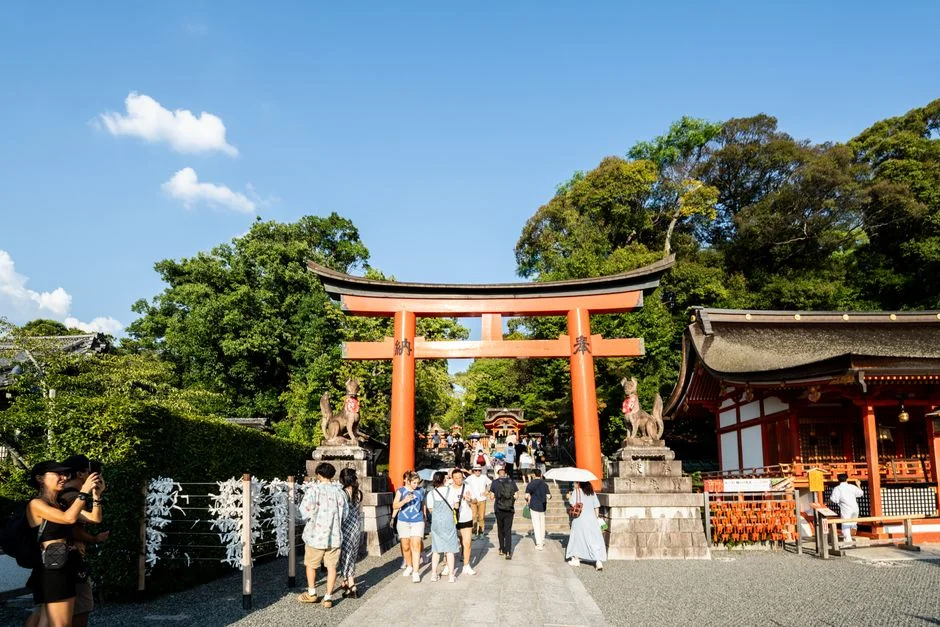
When South Korea faced Mexico in their World Cup group stage match, something remarkable happened across Los Angeles. Restaurants in Koreatown, a 2.7-square-mile neighbourhood already known for its late-night BBQ joints and karaoke bars, reported a surge in dual-cuisine cravings that blurred traditional cultural lines. Mexican-Korean fusion pop-ups appeared outside established Korean BBQ spots, while taquerias with Korean-English bilingual menus popped up in areas historically dominated by one cuisine or the other.
Koreatown's Economic Landscape Transforms
The convergence of these two diasporas in Los Angeles is not new. Korean immigrants began arriving in significant numbers in the 1970s, settling alongside a growing Mexican community in the city's west side. What the World Cup exposed was how thoroughly these communities had already intermingled economically. A Korean restaurant owner on Wilshire Boulevard told local media that sales of Mexican beer alongside Korean soju had doubled during match weeks. Meanwhile, several Korean-owned convenience stores in historically Mexican Garfield Avenue began stocking both cultural staples side by side.
Business Owners See Long-Term Opportunity


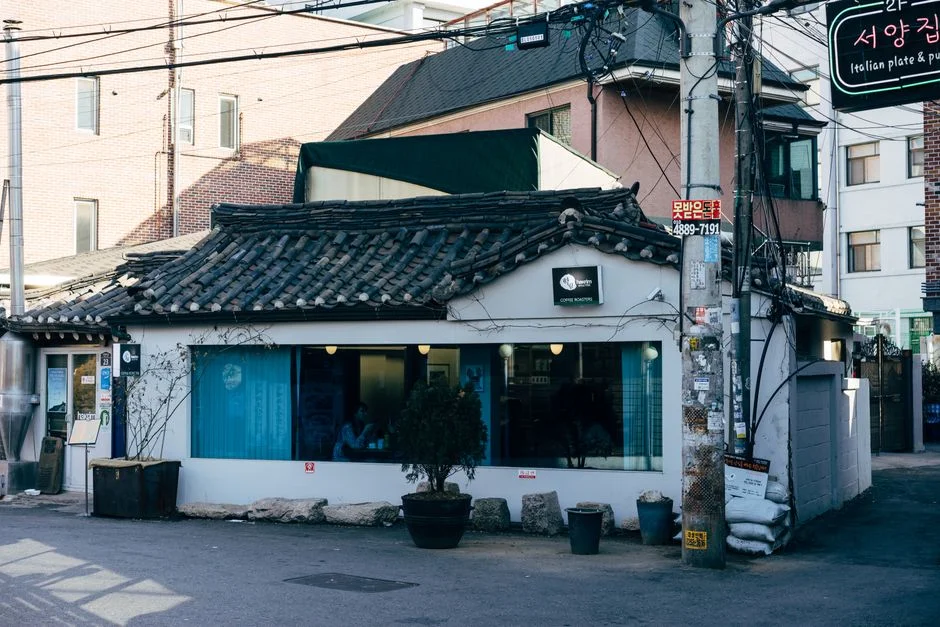
For investors and market watchers, the World Cup moment revealed a consumer base that no longer thinks in cultural silos. Business owners in the neighbourhood confirm this shift. "Our regular customers have been bringing their families for years," said one manager at Hanjip Chicken Wings on Vermont Avenue, a restaurant that has added Mexican elote to its menu alongside traditional Korean side dishes. "But during the World Cup, we saw entirely new crowds coming in together, people who might not have mixed before."
Real Estate and Investment Implications
Commercial real estate analysts tracking Koreatown note that mixed-use properties catering to both communities have quietly appreciated over the past decade. Retail space in the neighbourhood now commands some of the highest rents in the area, driven partly by the foot traffic these fusion businesses generate. Property investors who identified this trend early have seen returns that outpace comparable districts elsewhere in Los Angeles, according to data from CBRE Group, a commercial real estate services firm.
Consumer Spending Patterns Signal Broader Shift
The economic story extends beyond restaurants. Korean-owned hair salons reported booking surges before and after matches, with stylists noting that Mexican clients increasingly request cuts and colours popular among Korean celebrities. Mobile phone repair shops, nail salons, and even dry cleaners in the neighbourhood confirm similar cross-cultural customer migration. The pattern suggests a consumer base that has moved beyond segmented ethnic marketing into genuine blended community behaviour.
Global Brands Take Notice
Major brands have already begun targeting this converged demographic. Korean cosmetics giant Amorepacific expanded its retail footprint in Los Angeles specifically into neighbourhoods with high Mexican-American populations. Coca-Cola and Hyundai ran joint promotional campaigns during the South Korea-Mexico World Cup match, acknowledging the commercial reality of dual-enthusiasm households. Marketing analysts at Nielsen confirm that multicultural consumer segments now represent one of the fastest-growing demographics for brands seeking expansion in the American market.
What Comes Next for Investors
The World Cup spotlight exposed what Los Angeles insiders have known for years. Koreatown's economic identity is no longer purely Korean, nor purely defined by any single immigrant community. For investors seeking opportunity in America's multicultural urban centres, the neighbourhood offers a template. The question now is whether national brands and property developers will move fast enough to capture value before the moment passes.
With the 2026 World Cup set to feature matches in Los Angeles itself, both communities will have even more reason to converge. Business owners are already planning expansions. What remains to be seen is whether outside capital will follow their lead before rents and property values fully reflect this cultural shift.
See Also
- Lahore Victory Exposes Australia's Weakness — and Pakistan's Economic Ambitions
- Timor-Leste Gender Violence Crisis Triggers Investor Exodus
The pattern suggests a consumer base that has moved beyond segmented ethnic marketing into genuine blended community behaviour. Global Brands Take Notice Major brands have already begun targeting this converged demographic.
What is the latest news about la koreatown businesses cash in as mexicankorean kinship goes global during world cup?
Why does this matter for sports?
What are the key facts about la koreatown businesses cash in as mexicankorean kinship goes global during world cup?