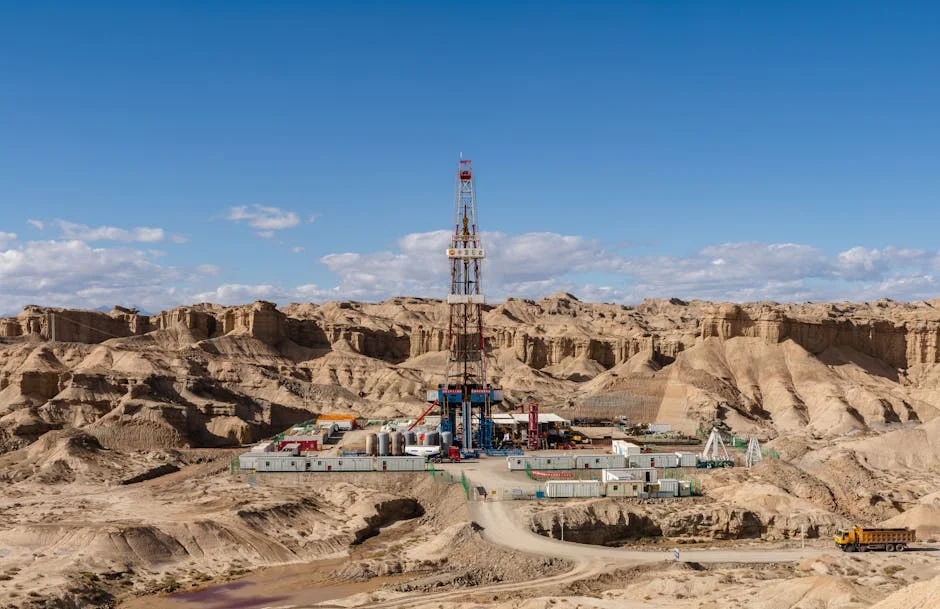
The United Arab Emirates has agreed to store up to 30 million barrels of crude oil in India’s strategic reserves, marking a major shift in energy logistics following Prime Minister Narendra Modi’s recent visit to Abu Dhabi. This arrangement allows the Gulf nation to maintain its production flexibility while leveraging India’s geographic proximity to global shipping lanes. The deal represents a concrete step toward deepening economic ties between the world’s fastest-growing major economy and one of the largest oil producers.
For markets and investors, this move signals a new layer of stability in the Asia-Pacific energy corridor. By offloading storage to India, the UAE reduces its immediate infrastructure burdens while securing a reliable buyer. India, in turn, gains a steady flow of high-quality crude, which is crucial for its refining sector. The financial implications extend beyond bilateral trade, influencing global freight costs and inventory management strategies.
Strategic Storage and Market Flexibility
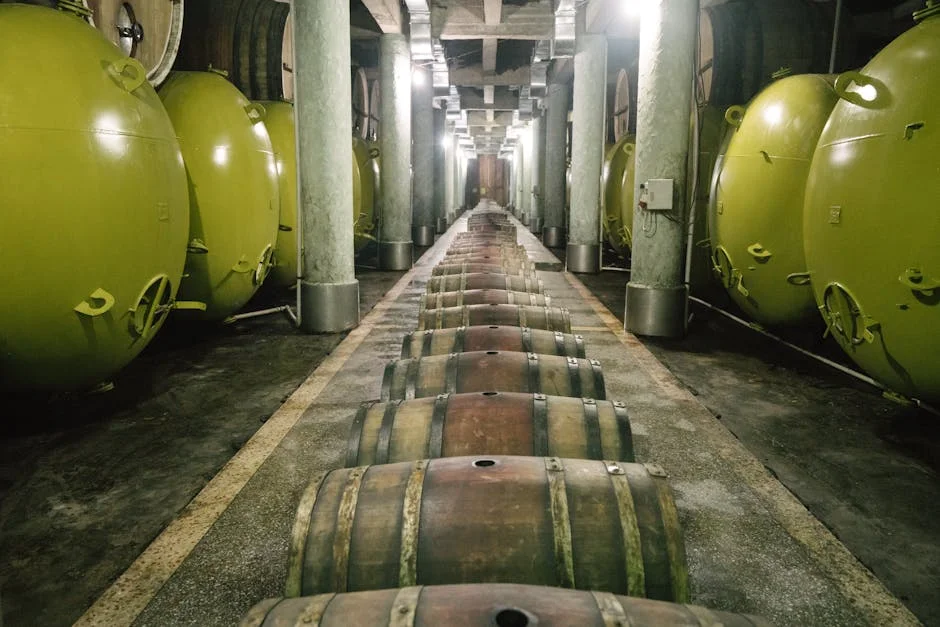
The agreement allows the UAE to store crude in India’s Strategic Petroleum Reserves (SPR) facilities, primarily located in Visakhapatnam, Mangaluru, and Padur. These locations offer diverse geographic advantages, reducing the risk of a single-point failure in supply chains. The 30 million barrel figure is not a one-time purchase but a rotational storage arrangement. This means the UAE can draw down or top up its reserves based on global price fluctuations and demand cycles.
This mechanism provides the UAE with enhanced market flexibility. When global crude prices surge, the UAE can sell from its Indian stores, capturing higher margins. Conversely, when prices dip, it can replenish the reserves at a lower cost. For investors tracking the Abu Dhabi National Oil Company (ADNOC), this reduces the volatility of their balance sheets. It transforms static inventory into a dynamic financial asset, optimizing cash flow without halting production.
Impact on Refining Margins
Indian refiners benefit from having direct access to UAE crude, which is often priced competitively compared to Brent and WTI benchmarks. The availability of this supply helps stabilize input costs for major players like Indian Oil Corporation and Reliance Industries. Stable input costs are vital for maintaining healthy refining margins, which are currently under pressure from fluctuating global demand. This deal ensures a predictable supply chain, allowing refiners to plan production schedules with greater confidence.
The financial markets in Singapore and Mumbai are likely to react positively to this reduced uncertainty. Energy stocks in India may see a boost as investors price in the lower risk of supply disruptions. Additionally, the deal strengthens the Indian Rupee’s position in energy trade, as more transactions can be settled in a mix of currencies, reducing reliance on the US Dollar. This currency diversification is a key trend in emerging market economics.
Geopolitical and Economic Implications


This deal is part of a broader strategy to strengthen India’s energy security. India imports over 85% of its crude oil, making it vulnerable to disruptions in the Middle East and West Africa. By securing a dedicated storage arrangement with the UAE, India creates a buffer against sudden geopolitical shocks. This is particularly relevant given the ongoing tensions in the Red Sea and the Persian Gulf, which have historically caused spikes in freight rates and insurance premiums.
For the UAE, the deal reinforces its position as a key economic partner for Asia. As the US and Europe look to diversify their energy sources, the UAE is doubling down on its Asian markets. This strategic pivot ensures long-term demand for its oil, even as the global transition to renewable energy accelerates. The economic interdependence between the two nations is deepening, creating a more resilient trade relationship that can withstand global economic headwinds.
The agreement also has implications for global oil pricing. With 30 million barrels effectively “parked” in India, the visible supply in the global market may adjust. This can influence the pricing power of other major producers, such as Saudi Arabia and the US. Analysts will be watching to see if this arrangement leads to a slight tightening of the global market, potentially pushing prices upward in the short term. However, the rotational nature of the storage means the impact will be gradual rather than abrupt.
Investment Opportunities and Risks
Investors should consider the implications of this deal for various asset classes. In the equities market, Indian energy stocks may benefit from the stability provided by the UAE crude supply. Companies involved in the construction and maintenance of the SPR facilities in India could also see increased revenue streams. This includes engineering, procurement, and construction (EPC) firms that have won contracts for expanding the storage capacity.
In the bond market, the deal could improve India’s credit outlook by enhancing its energy security. A stable energy supply reduces the risk of inflationary spikes, which is a key concern for central banks. This could lead to a more favorable interest rate environment, benefiting both corporate and government bonds. Conversely, the UAE’s ability to manage its inventory more efficiently could improve its sovereign credit rating, making its bonds more attractive to international investors.
However, there are risks to consider. The success of this deal depends on the smooth operation of the logistics chain. Any disruption in shipping routes or port operations in India could impact the flow of crude. Additionally, global economic slowdowns could reduce demand for oil, affecting the valuation of the stored reserves. Investors need to monitor global demand indicators, particularly from China and Europe, to gauge the long-term viability of this arrangement.
Logistical Challenges and Infrastructure Needs
The implementation of this deal requires robust logistical support. The SPR facilities in India must have sufficient capacity to handle the influx of UAE crude. This includes adequate pipeline connectivity, tank storage, and loading/unloading infrastructure. The Indian government has been investing heavily in these areas, but the pace of expansion needs to keep up with the growing volume of imports. Delays in infrastructure development could bottleneck the flow of oil, impacting the efficiency of the storage arrangement.
Port congestion is another potential challenge. The major ports in Visakhapatnam and Mangaluru must handle increased traffic from UAE tankers. This requires efficient port management and adequate berth availability. Any delays in unloading could lead to higher demurrage costs, which would eat into the profits of both the UAE producers and Indian refiners. The Indian government is working on digitizing port operations to improve efficiency, but the transition takes time.
Broader Regional Energy Dynamics
This deal sets a precedent for other Asian countries to explore similar storage arrangements. Countries like China and Japan, which are major oil importers, may look to diversify their storage locations to reduce reliance on their domestic infrastructure. This could lead to a more distributed global oil storage network, enhancing overall market resilience. It also opens up opportunities for smaller Gulf producers to leverage Asian storage facilities, creating a more competitive market for crude oil.
The deal also highlights the growing importance of India in the global energy landscape. As India’s economy expands, its demand for oil will continue to rise. This makes India a key player in setting global oil prices. The UAE’s decision to store oil in India acknowledges this growing influence and seeks to capitalize on it. Other energy producers may follow suit, further cementing India’s position as a hub for global energy trade.
Future Outlook and Key Indicators
Investors and policymakers should monitor several key indicators to assess the impact of this deal. First, the volume of UAE crude flowing into Indian SPR facilities will provide insight into the utilization of the storage arrangement. Second, the pricing of UAE crude relative to global benchmarks will indicate the financial benefits accrued by both parties. Third, the expansion of India’s SPR capacity will signal the long-term commitment to this strategic partnership.
The next few quarters will be critical in determining the success of this initiative. Investors should watch for announcements regarding the expansion of SPR facilities in India and any new agreements between UAE producers and Indian refiners. Additionally, global economic data, particularly from China and the US, will influence the demand for oil and, consequently, the value of the stored reserves. The interplay between these factors will shape the future of global energy markets.
The UAE and India have set the stage for a deeper economic partnership. This deal is just the beginning of a broader integration of their energy sectors. As the global energy landscape continues to evolve, the strategies adopted by these two nations will serve as a model for other emerging economies. The focus now shifts to execution and the ability to adapt to changing market conditions. The coming months will reveal whether this strategic move delivers the promised economic and financial benefits.
See Also
- EU Defies Binary Choice Between US and China — And the Stakes Are High
- China’s Great Wall Drives $120 Billion Tourism Boom
What is the latest news about uae locks in 30 million barrels for india energy security shift?
Why does this matter for sports?
What are the key facts about uae locks in 30 million barrels for india energy security shift?