China’s April trade figures delivered a robust performance, defying the gloomy forecasts generated by escalating tensions in the Middle East. The data reveals that Chinese manufacturing remains resilient, with exports growing at a pace that surprised many global investors and economists. This unexpected strength has immediate ripple effects for regional markets, particularly for Singapore, which serves as a critical gateway for Chinese goods entering the Asia-Pacific region.
Trade Data Reveals Underlying Strength
The latest statistics from China’s General Administration of Customs show a clear uptick in both imports and exports. Export values rose by nearly 7% year-on-year, a figure that significantly outperformed the consensus estimate of 4.5%. This growth indicates that despite geopolitical friction, global demand for Chinese manufactured goods has not collapsed as some pessimistic models suggested. Import figures also showed stability, suggesting that domestic consumption is holding up better than anticipated.
This data point is crucial for understanding the current economic landscape. Investors had braced for a slowdown due to supply chain disruptions in the Red Sea and potential oil price spikes. Instead, the numbers suggest that Chinese factories have adapted effectively to logistical challenges. The resilience is evident in sectors such as electronics and machinery, which continue to dominate the export ledger. This adaptability is a key factor in maintaining investor confidence in the region.
For Singapore, this news is particularly relevant. As a major trading hub, Singapore’s own export performance is closely linked to Chinese manufacturing output. When China exports more, Singaporean logistics firms, banks, and service providers benefit directly. The strong April data implies that the flow of goods through Singapore’s port and free trade zones will remain robust in the coming months. This stability helps cushion the Singaporean economy against broader global volatility.
Market Reactions and Investor Sentiment


Financial markets responded positively to the release of the trade data. The Shanghai Composite Index saw a modest gain in early trading, reflecting renewed optimism among domestic investors. More importantly, foreign investors, who had been cautious due to geopolitical risks, began to re-enter Chinese equities. This influx of capital suggests that the market is starting to price in the resilience of the Chinese economy, rather than just its vulnerabilities. The shift in sentiment is a critical signal for global portfolio managers.
The bond markets also showed signs of stabilization. Yield spreads between Chinese government bonds and US Treasuries narrowed slightly, indicating that investors are demanding less risk premium for holding Chinese debt. This trend is beneficial for Chinese companies looking to raise capital in international markets. Lower borrowing costs can stimulate further investment in infrastructure and technology sectors, which are vital for long-term economic growth. The financial implications extend beyond China, affecting currency markets and commodity prices globally.
Investors should watch for follow-up data on consumer spending and industrial production. While trade is strong, the domestic consumer remains a somewhat uncertain variable. If consumer confidence continues to recover, it will provide additional support for the Chinese economy. Conversely, if domestic demand stalls, the trade surplus may be the only pillar holding up growth. Understanding this dynamic is essential for making informed investment decisions in the region.
Implications for Singaporean Businesses
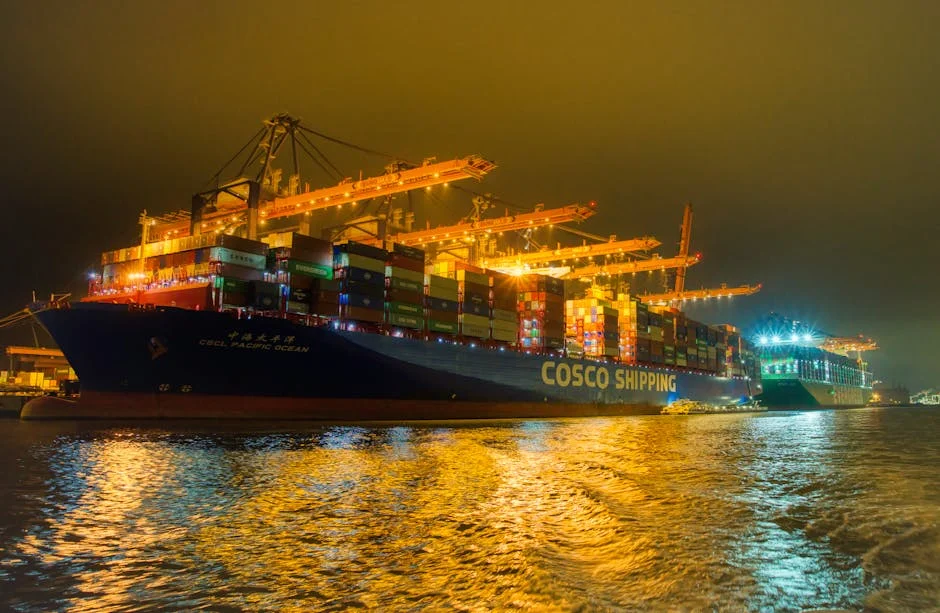
Singaporean businesses are closely monitoring these developments, as the Chinese market represents a significant portion of their revenue. Companies in the logistics sector, such as shipping lines and warehousing firms, are seeing increased activity. The surge in Chinese exports means more containers passing through the Port of Singapore, leading to higher throughput and revenue. This is a direct benefit to the Singaporean economy, which relies heavily on trade-related services.
Manufacturing firms in Singapore are also feeling the effects. Many Singaporean manufacturers source components from China or use China as a base for regional assembly. The stability in Chinese trade suggests that supply chains are becoming more predictable. This predictability allows Singaporean companies to plan production schedules more efficiently and reduce inventory costs. It also opens up new opportunities for joint ventures and strategic partnerships with Chinese firms.
Supply Chain Resilience and Cost Dynamics
The resilience of Chinese trade has implications for supply chain costs. With production remaining steady, the risk of sudden price spikes for key commodities has decreased. This is good news for Singaporean importers, who can negotiate better terms with Chinese suppliers. However, businesses must remain vigilant about potential disruptions in the Middle East, which could still impact shipping routes and insurance premiums. Diversifying supply chains remains a prudent strategy for long-term stability.
Furthermore, the strength of the Chinese economy supports the value of the Yuan, which in turn affects the Singapore Dollar. A stable Yuan helps reduce currency volatility for traders dealing in both currencies. This stability is beneficial for financial planning and risk management for Singaporean businesses. It allows for more accurate forecasting and budgeting, which is crucial for maintaining profitability in a competitive market.
Geopolitical Context and Future Risks
The Middle East conflict continues to pose risks to global trade, but the April data suggests that China has found ways to mitigate these risks. The use of alternative shipping routes and increased reliance on rail freight has helped maintain the flow of goods. However, these adaptations come with costs, which may be passed on to consumers in the form of higher prices. Businesses need to factor in these potential cost increases when planning for the future.
Geopolitical tensions also influence investment decisions. Investors are increasingly looking for stability and predictability when allocating capital. China’s ability to deliver strong trade data amidst uncertainty makes it an attractive destination for investment. However, political risks remain, and investors must carefully assess the regulatory environment and trade policies. Understanding these dynamics is essential for navigating the complex landscape of global trade.
The impact of these geopolitical factors extends to energy prices. Oil prices, which are influenced by Middle East tensions, directly affect transportation costs. If oil prices rise sharply, it could erode the gains made by Chinese exporters. Singapore, as an energy import-dependent nation, is also sensitive to oil price fluctuations. Monitoring energy markets is therefore crucial for understanding the broader economic implications.
Economic Outlook for the Region
The strong trade performance in China provides a positive outlook for the broader Asian economy. Regional economies that are closely tied to China, such as Singapore, Vietnam, and South Korea, are likely to benefit from increased trade flows. This interconnectedness means that a strong China can act as a growth engine for the entire region. However, the degree of benefit depends on how well these countries manage their own domestic economic challenges.
Singapore’s economy is well-positioned to capitalize on this trend. The country’s strategic location, robust infrastructure, and business-friendly environment make it an ideal hub for trade and investment. As Chinese companies expand their global footprint, Singapore is likely to see increased foreign direct investment. This investment can drive job creation and technological advancement, further strengthening the Singaporean economy. The focus should be on maintaining competitiveness and adapting to changing market dynamics.
Looking ahead, the key question is whether this trade strength is sustainable. If global demand continues to grow, China’s exports should remain robust. However, any slowdown in major economies like the US or Europe could dampen export growth. Investors and businesses should monitor global economic indicators closely to anticipate potential shifts in demand. Proactive planning will be essential for navigating the uncertainties of the global market.
Strategic Considerations for Investors
For investors, the April trade data offers a clear signal: China is not yet in a deep recession. This insight should inform asset allocation strategies. Equities in the Chinese market, particularly in sectors with strong export exposure, may offer attractive valuation opportunities. However, diversification remains key to managing risk. Investors should consider balancing Chinese assets with other regional investments to mitigate country-specific risks.
Fixed income investors should also pay attention to the bond market dynamics. The narrowing yield spreads suggest that Chinese bonds are becoming more competitive. This could lead to increased demand for Chinese debt, potentially driving up prices and lowering yields. Investors looking for stable returns may find Chinese government and corporate bonds appealing. However, currency risk must be carefully managed to protect against potential fluctuations in the Yuan.
Ultimately, the strong trade performance in China underscores the importance of understanding global economic interdependencies. For Singaporean investors and businesses, this means staying informed about developments in China and adjusting strategies accordingly. The ability to adapt to changing market conditions will be a key determinant of success in the coming months. Keeping a close eye on trade data and geopolitical developments will provide valuable insights for decision-making.
Investors and businesses should keep a close watch on the upcoming quarterly earnings reports from major Chinese companies, which will provide further clarity on profit margins and future guidance. These reports, scheduled for release over the next few weeks, will be critical in confirming whether the trade surge translates into sustained corporate growth. Monitoring these financial disclosures will offer the next major signal for market direction and economic health in the region.
See Also
- Indians, Nepalese Injured in Abu Dhabi After Debris Falls Amid Attack Interception
- Abhijeet Dipke Launches Cockroach Janta Party — Aiming to Reshape India's Economy