The US Treasury Department blacklisted a Cuban state oil company on Thursday, escalating sanctions against Havana as Chinese investment in the island's energy sector accelerates. The action targets Cubametales, the state-run fuel trading enterprise, and blocks all American assets connected to the company. Washington specifically cited Beijing's deepening energy ties with the Cuban government as the driver behind the expanded pressure.
Sanctions Target Deepening China-Cuba Energy Links
Liu Haixing, China's ambassador to Havana, met with Cuban officials last month to discuss expanding oil infrastructure projects. Those talks reportedly centred on upgrades to the Matanzas refinery on Cuba's northern coast, a facility that processes heavy crude imported from Venezuela. The US State Department confirmed the sanctions freeze any US-held assets of Cubametales and prohibit American individuals or companies from dealing with the entity.
Thursday's designation marks the third time in eighteen months that Washington has targeted a Cuban energy firm. Previous actions hit Cubapetroleo and the state electricity distributor UNE. Officials said the pattern reflects growing concern that Chinese firms are helping Havana evade existing oil restrictions. The Treasury statement noted that energy exports remain the primary source of hard currency for the Cuban government, making the sector a deliberate target.
Havana's Response and Diplomatic Rift
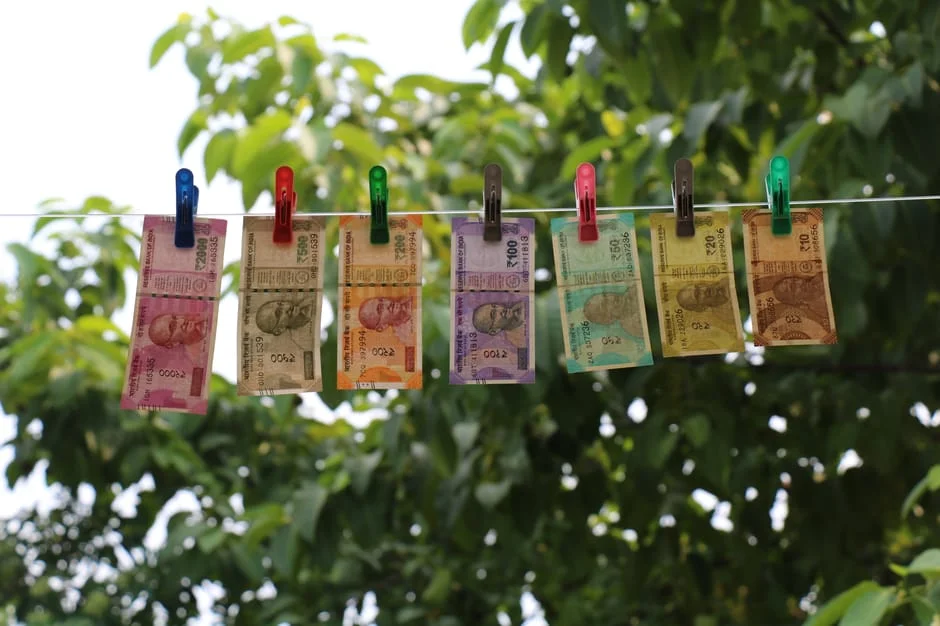
Cuba's Foreign Ministry called the sanctions an "extraterritorial attack" on its sovereignty and vowed to pursue alternative supply arrangements. The government in Havana has relied heavily on discounted oil shipments from Venezuela under a barter programme that sends medical personnel to Caracas. Cuban officials acknowledged the new US restrictions would complicate those arrangements but insisted the island would find new partners.
The diplomatic fallout extended beyond the bilateral relationship. China's embassy in Washington issued a formal protest, calling the sanctions interference in normal commercial exchanges between sovereign states. Beijing has expanded its presence in the Caribbean over the past five years, funding port upgrades and telecommunications projects across the region.
Economic Fallout and Energy Sector Strain
Cuba's energy sector faces mounting pressure as banking restrictions tighten around fuel transactions. The island currently generates roughly 40 percent of its electricity from oil-fired plants, but chronic fuel shortages have caused rolling blackouts across Havana and provincial capitals. Economic analysts estimate Cuba spends approximately $1.1 billion annually on fuel imports, a figure that has climbed as domestic production declines.
The sanctions compound an already severe foreign exchange crunch gripping the Cuban economy. Tourism revenue, once a primary source of hard currency, has not recovered to pre-pandemic levels. Remittances from Miami have slowed as US regulations tighten enforcement on family transfers. Without access to international credit markets, Havana depends on barter agreements and a shrinking pool of willing suppliers.
Regional Business and Investment Implications
Companies operating in the wider Caribbean face indirect consequences from the escalating US stance toward Havana. Shipping firms that call on Cuban ports risk running afoul of expanded OFAC enforcement, according to compliance advisors in Miami. Insurance and financial services providers have grown increasingly cautious about covering vessels with Cuban connections.
The sanctions also complicate joint ventures involving third-country firms. Chinese state companies operating in Cuba now face harder choices about whether to continue projects that might trigger secondary US sanctions. Three major Chinese construction firms have projects in Cuba's industrial zones; their legal teams are reportedly reviewing those arrangements this week.
US-China Tensions and the Caribbean Chessboard
Washington's move fits a broader pattern of targeting nations that deepen economic ties with Beijing. The Biden administration has issued similar directives targeting companies in Venezuela and Nicaragua on grounds they serve as conduits for Chinese influence. The Treasury statement explicitly linked Thursday's action to concerns about Chinese military access to Caribbean ports, though no specific evidence was presented.
The sanctions represent the latest flashpoint in deteriorating US-China relations. Trade tensions and technology restrictions have dominated the bilateral agenda for three years. Now energy and infrastructure in Washington's traditional sphere of influence have become new theatres of competition. Regional governments are watching closely to gauge how far Washington will go to push back against Chinese investment.
What Comes Next
Washington officials say enforcement actions could follow within sixty days as OFAC reviews shipping manifests and financial transfers involving Cuban fuel purchases. The State Department has asked allied governments to report any vessels transporting oil to Cuban ports that display altered tracking signals, a practice known as ship-to-ship transfers designed to obscure cargo origins.
Cuba's state media acknowledged on Thursday evening that energy shortages would likely worsen before improved supply arrangements could be negotiated. The government urged citizens to reduce electricity consumption during peak hours. Markets in Panama and Jamaica, which host fuel transshipment facilities, are monitoring the situation for potential shifts in regional trade flows. Investors with exposure to Caribbean shipping and energy logistics should watch for secondary sanctions announcements expected over the coming weeks.
See Also
- Nvidia’s Huang Joins Trump in China: Markets React
- Middle East Oil Prices Drop on De-Escalation Hopes
What is the latest news about us blacklists cuba oil giant sanctions target china partnership?
Why does this matter for politics-governance?
What are the key facts about us blacklists cuba oil giant sanctions target china partnership?