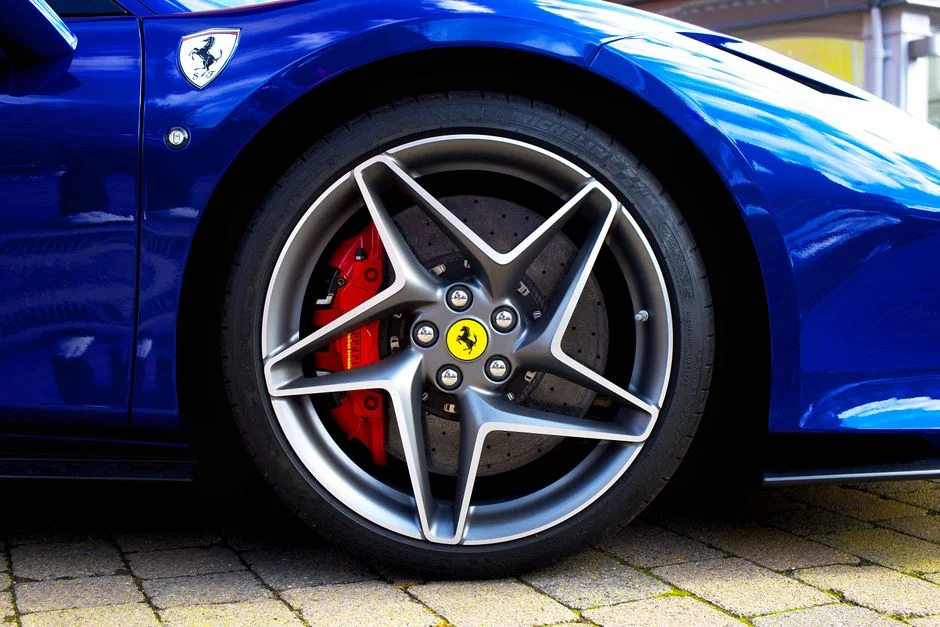
Ferrari's unveiling of the Luce electric vehicle has thrust a uncomfortable reality into the spotlight: European luxury brands are struggling to reconnect with China's super-rich, a consumer base that once drove billions in sales but has since grown more distant, more patriotic, and far harder to impress.
The Ferrari Luce lands in a changed market
The Luce, Ferrari's first electric grand tourer designed with extended range and rear-biased handling, represents the marquee's most ambitious step yet into the battery-powered future. Company executives unveiled the model at an event in Maranello, Italy, hoping the car would resonate with buyers across Asia's wealthiest markets. Yet the reception in China has been muted compared with the enthusiasm the brand once commanded in Beijing, Shanghai, and Guangzhou.
Industry observers point to a broader shift. Chinese consumers who once queued overnight for European handbags and sports cars now gravitate toward domestic alternatives that carry cultural resonance and cachet. State media has amplified narratives about supporting homegrown brands, while tariffs, geopolitical friction, and a slowing economy have dampened appetite for imported luxury goods.
Numbers that tell the story

The scale of the retreat is stark. European luxury conglomerates collectively derive between 25 and 35 percent of their revenue from the Chinese mainland and Hong Kong. For some houses, that figure hovered near 40 percent as recently as 2019. Today, analysts at Goldman Sachs estimate that Chinese domestic luxury consumption has contracted by roughly 20 percent year-on-year, with overseas spending also declining as repatriated travel normalises but spending patterns remain subdued.
Ferrari itself reported a 6 percent decline in deliveries to the China region in its most recent quarterly filing. Competitors including Lamborghini and Bentley have reported similar softness, though neither company breaks out country-level figures publicly.
Why the super-rich are pulling back
The motivations run deeper than economic cycles. Wealthy Chinese buyers have become increasingly sensitive to brand associations, particularly as tensions between Beijing and Western capitals flare over trade, technology restrictions, and military posturing in the South China Sea. Several high-profile incidents involving European brands perceived as wading into Chinese political sensitivities have triggered boycotts and backlash on social media platforms like Weibo and Xiaohongshu.
Domestic competitors have also closed the quality gap. BYD, NIO, and Zeekr now produce electric vehicles that rival or exceed European benchmarks in technology and refinement. For Chinese buyers who once viewed European luxury as a status symbol, the calculus has shifted: why pay a premium for a foreign badge when local alternatives signal modernity rather than imitation?
The role of the Hong Kong and Singapore wealth corridors
Wealth managers operating in Hong Kong and Singapore report that mainland Chinese clients are increasingly routing purchases through duty-free zones and offshore structures, reducing their visibility as Chinese consumers while still acquiring the goods. This creates a statistical illusion — purchases may appear in regional ledgers rather than mainland China, masking the true extent of domestic demand contraction. Singapore's position as a wealth management hub makes it a critical barometer for shifts in Asian high-net-worth spending.
European brands recalibrate their China strategies
Major conglomerates have responded with localisation drives. Kering, LVMH, and Richemont have expanded flagship stores in second-tier Chinese cities, invested in Chinese-language digital experiences, and partnered with domestic e-commerce platforms including Tmall Luxury and JD.com. Several houses have appointed Chinese creatives to leadership roles, attempting to signal cultural alignment rather than cultural imposition.
Ferrari has taken a different path, doubling down on exclusivity. The marquee has reduced allocation to Chinese dealers, prioritised clients with demonstrated loyalty, and focused marketing on the racing heritage that distinguishes it from mass-market electric vehicle brands. Whether this strategy of scarcity can sustain demand in a market where prestige competes with geopolitics remains an open question.
What to watch next
The Shanghai International Automobile Industry Exhibition scheduled for April will serve as a litmus test. Multiple European marques plan product launches targeting the Chinese market, and executive attendance will signal whether brands view the market as recoverable or increasingly peripheral. Consumer sentiment surveys from Bain & Company and McKinsey, expected in the second quarter, will provide updated data on luxury spending intentions among Chinese high-net-worth individuals. The trajectory of those figures will shape investment decisions across the sector for years to come.
See Also
- India Faces Economic Turmoil as UN Links Extreme Heat to Climate Change
- India's New Hero Emerges: Shivaji Statues Fuel Economic Nationalism
Singapore's position as a wealth management hub makes it a critical barometer for shifts in Asian high-net-worth spending. European brands recalibrate their China strategies Major conglomerates have responded with localisation drives.