The UN's latest report has placed India in the spotlight, attributing its record-breaking heat waves to worsening climate change. Over the past month, cities like Delhi have recorded temperatures soaring above 45 degrees Celsius (113 degrees Fahrenheit), with the Indian Meteorological Department (IMD) calling it the hottest May in over a century. These extreme conditions pose serious implications for the nation's economy and industries that rely heavily on a stable climate.
Impact on Agriculture and Food Security
India's agriculture sector, which employs nearly 42% of the country's workforce, is particularly vulnerable to climate extremes. With the United Nations estimating that the agricultural output could decline by up to 10% due to heat stress, farmers are facing dire challenges. Crop failures from excessive heat mean less food supply and potentially higher prices for consumers.

In March 2023, the Indian Ministry of Agriculture reported a decline in wheat production by approximately 8 million tonnes compared to the previous year. This setback could lead to food inflation, exacerbating the cost of living crisis within urban areas, where many families are already struggling.
Market Reactions and Investor Sentiment
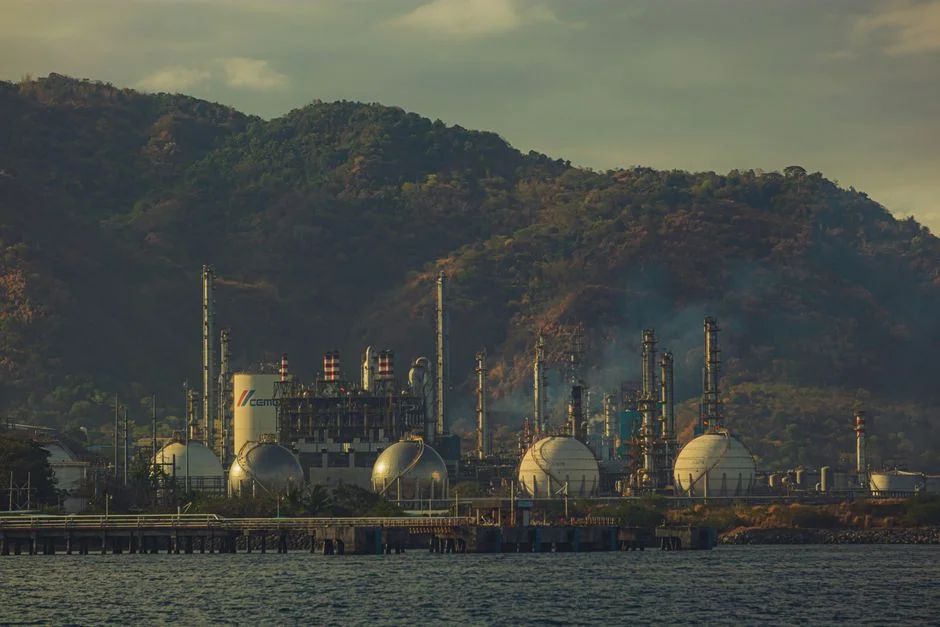

The stock market reflected concerns over the implications of extreme weather on economic performance. Following the UN report, shares of agricultural companies dropped by 5% in a single trading session, signalling investor anxiety about future yields and profitability. Investors are now closely monitoring the situation, particularly in sectors linked to food production and supply chains.
Financial analysts warn that prolonged heatwaves could push some agribusinesses towards insolvency, forcing them to engage in costly imports. This potential reliance on foreign suppliers could further drive up food prices, impacting overall inflation rates in the economy.
Energy Demand Surges Amidst Heatwaves
With temperatures climbing, energy demand has surged, putting additional strain on India's power grid. According to the Central Electric Authority, electricity consumption spiked by 15% year-on-year last month. The increased demand not only raises electricity prices but also poses the risk of blackouts in several regions.
India's reliance on coal for energy generation complicates matters. As the country faces external pressures to transition to greener energy sources, businesses are caught in a bind between meeting immediate energy needs and adhering to long-term sustainability goals.
Health Implications and Workforce Productivity
Extreme heat poses severe health risks as well, leading to heat-related illnesses. The World Health Organization indicates that productivity in outdoor sectors, including construction and agriculture, could decline by up to 20% during extreme heat events. This loss of productivity comes at a time when India is already grappling with economic recovery post-COVID-19.
Companies within these sectors may need to implement measures to protect their workforce, potentially increasing operational costs. The long-term health effects on workers also pose a risk to future labour availability, thereby impacting overall economic growth.
Global Context and Mitigation Efforts
The extreme weather events in India align with a broader global trend of rising temperatures, as highlighted by the UN's Intergovernmental Panel on Climate Change. As countries worldwide experience similar heatwaves, the need for concrete climate action becomes more pressing.
India recently committed to a 33-35% reduction in emissions by 2030 compared to 2005 levels. However, achieving this goal amidst increasing economic pressures from climate-related events will test national resolve and capacity. Policymakers are tasked with balancing immediate economic demands with long-term sustainability initiatives.
What Lies Ahead
As India grapples with extreme heat and its implications, businesses, investors, and policymakers must remain vigilant. Upcoming months are critical to assess the impact of these weather patterns on the economy and formulate effective responses.
The government is expected to announce new measures aimed at enhancing agricultural resilience and energy efficiency before the monsoon season starts in June. Stakeholders will be watching closely, as these developments could either mitigate or exacerbate the current crises.
See Also
- Messis India Promoter Slams TMC, Threatens 100 Crore Lawsuit
- CSIRO Job Cuts Trigger Climate Data Crisis for Australian Markets
The long-term health effects on workers also pose a risk to future labour availability, thereby impacting overall economic growth.Global Context and Mitigation EffortsThe extreme weather events in India align with a broader global trend of rising temperatures, as highlighted by the UN's Intergovernmental Panel on Climate Change. Upcoming months are critical to assess the impact of these weather patterns on the economy and formulate effective responses.The government is expected to announce new measures aimed at enhancing agricultural resilience and energy efficiency before the monsoon season starts in June.
What is the latest news about india faces economic turmoil as un links extreme heat to climate change?
Why does this matter for environment-nature?
What are the key facts about india faces economic turmoil as un links extreme heat to climate change?